Sicily, the largest island in the Mediterranean, has long captivated travellers with its dramatic landscapes, rich history, and vibrant culture. But what is it really like to move beyond a holiday and establish a life here? For expatriates seeking a blend of idyllic lifestyle and affordable living, Sicily presents a compelling, though not uncomplicated, proposition. This guide provides a detailed look into the cost of living, lifestyle, and practicalities of making this enchanting Italian island your home.
From navigating the bureaucracy of residency permits to understanding the nuances of the local healthcare system, moving to Sicily requires careful planning. However, with its welcoming communities, exceptional cuisine, and significant tax advantages for new residents, the rewards can be immense. Whether you are a retiree drawn by the promise of a 7% flat tax or a remote worker seeking a better quality of life, this article will equip you with the essential knowledge for your Sicilian adventure.
The Real Cost of Living in Sicily: A Detailed Breakdown
One of Sicily’s most significant attractions for expats is its remarkably low cost of living compared to mainland Italy and other Western European destinations. While costs can fluctuate based on your lifestyle and location, a comfortable life is attainable for a fraction of what you might spend elsewhere. Here’s a closer look at what you can expect to budget for.
Accommodation: Renting and Buying
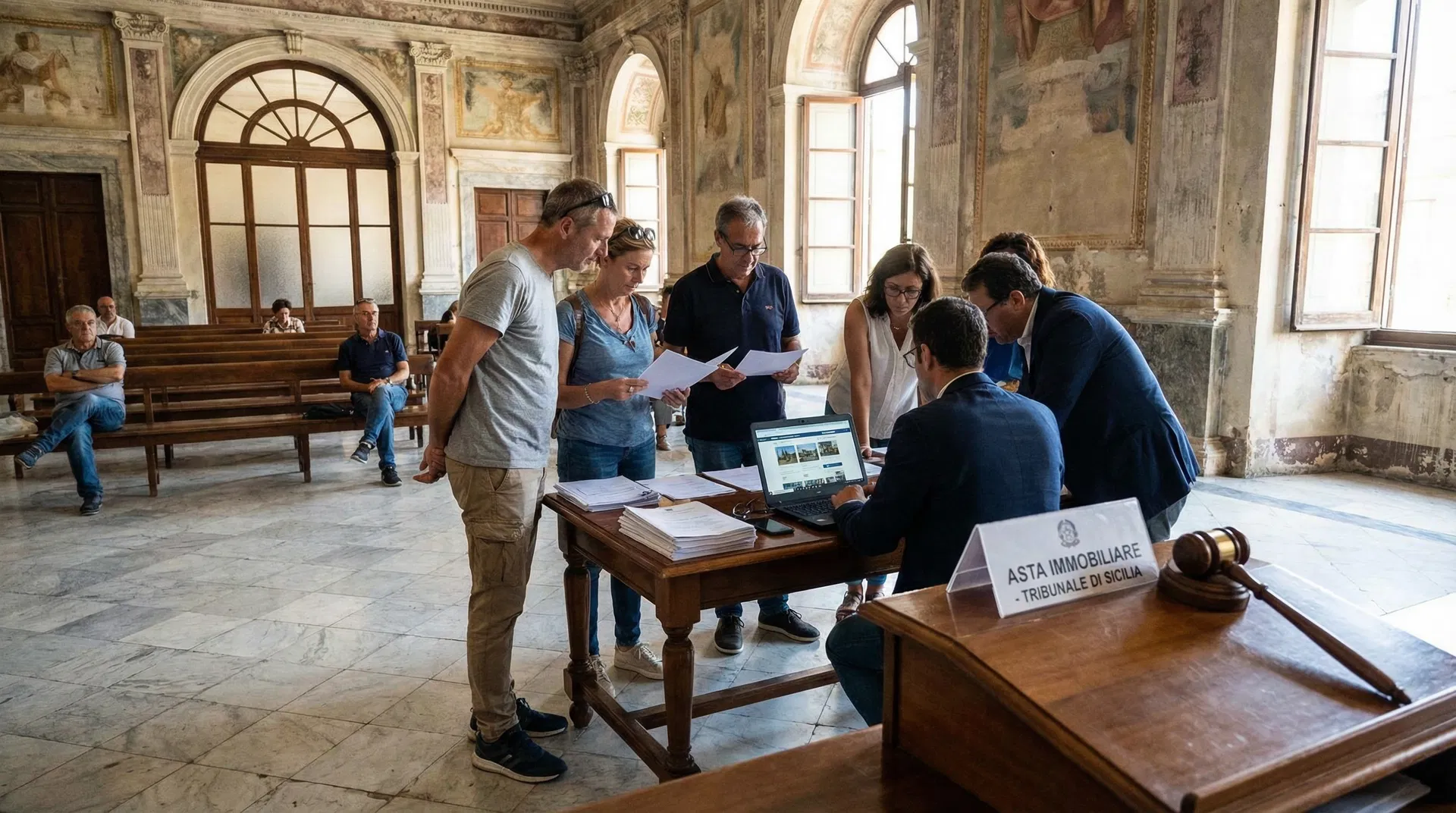
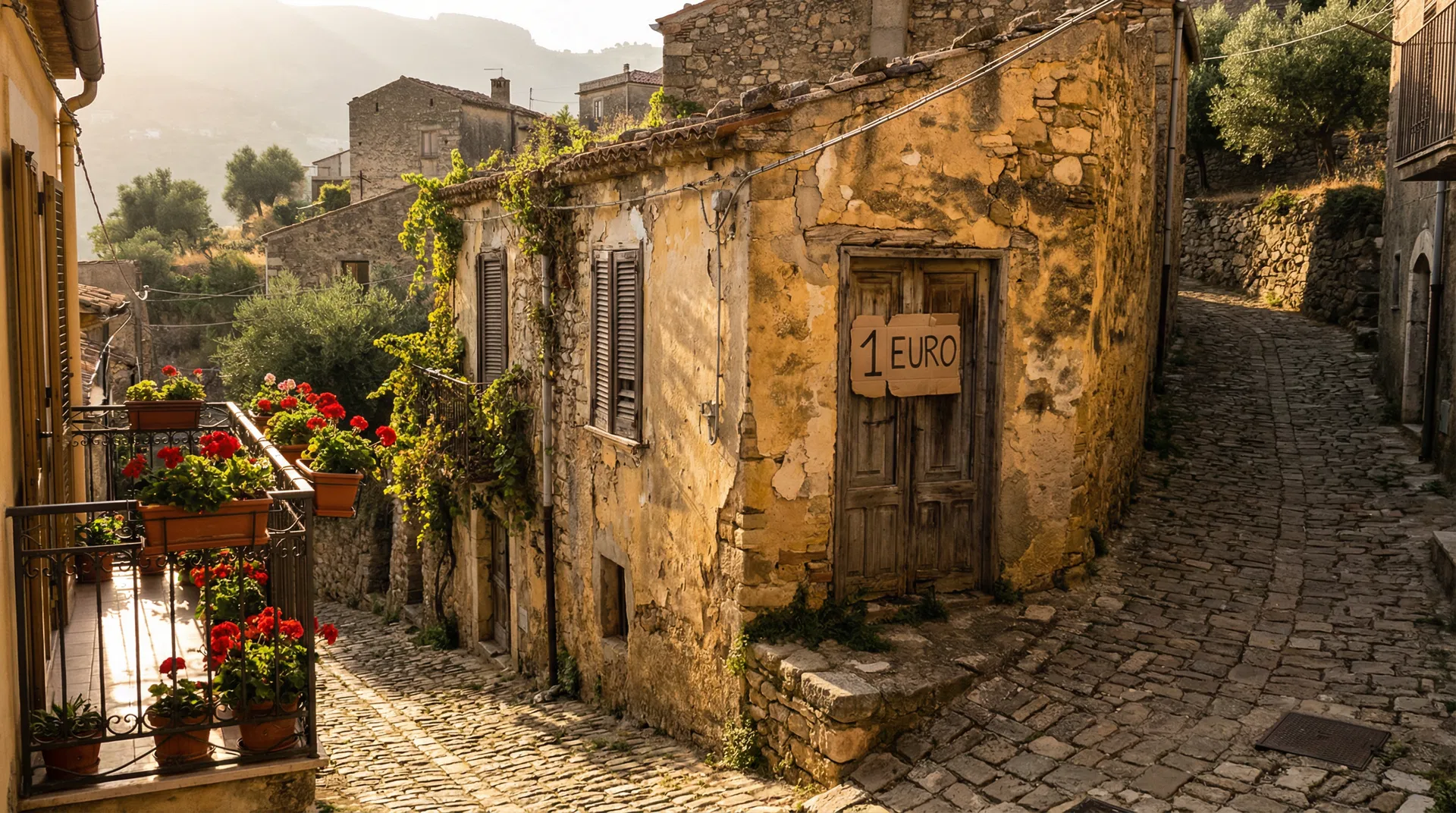
Rental prices are significantly lower than in major Italian cities like Rome or Milan. In the heart of vibrant cities like Palermo or Catania, a one-bedroom apartment can range from €450 to €700 per month. Outside the main urban centres, in smaller towns or rural areas, prices can drop even further. For those looking to buy, Sicily offers some of the most affordable properties in Italy, including the famous 1 Euro Houses that have captured global attention, although these often require substantial renovation.
| City | Average Monthly Rent (1-Bedroom Apartment) | Average Monthly Rent (3-Bedroom Apartment) |
|---|---|---|
| Palermo | €550 | €900 |
| Catania | €500 | €850 |
| Siracusa | €600 | €1,000 |
| Taormina | €750 | €1,300 |
| Provincial Town | €400 | €650 |
Utilities, Food, and Transport
Monthly utilities, including electricity, heating, water, and refuse collection, for a standard 85m² apartment typically average between €150 and €250. Internet is widely available and costs around €25-€30 per month for a high-speed connection.
Groceries are a highlight of Sicilian life, with an abundance of fresh, local produce available at daily markets. A monthly food budget for a single person can range from €250 to €350, while a couple might spend €450-€600. Eating out is also affordable, with a meal at an inexpensive trattoria costing around €15-€25 per person.
Public transport is functional but not always punctual. A monthly bus pass costs around €35. Many expats choose to own a car for greater flexibility, especially for exploring the island’s more remote areas. Petrol prices are in line with the rest of Italy.
Navigating Bureaucracy: Residency and Visas
For non-EU citizens, securing the right to live in Sicily is a multi-step process that begins with obtaining a long-stay visa from the Italian consulate in your home country. The most common route for those not intending to work for an Italian company is the Elective Residence Visa (Visto per Residenza Elettiva).
The Elective Residence Visa
This visa is designed for individuals who can demonstrate a stable and substantial passive income from sources outside of Italy, such as pensions, investments, or rental properties. The minimum income requirement is currently around €31,000 per year for a single applicant, with an additional 20% required for a spouse. You must also show proof of accommodation in Italy and have comprehensive private health insurance.
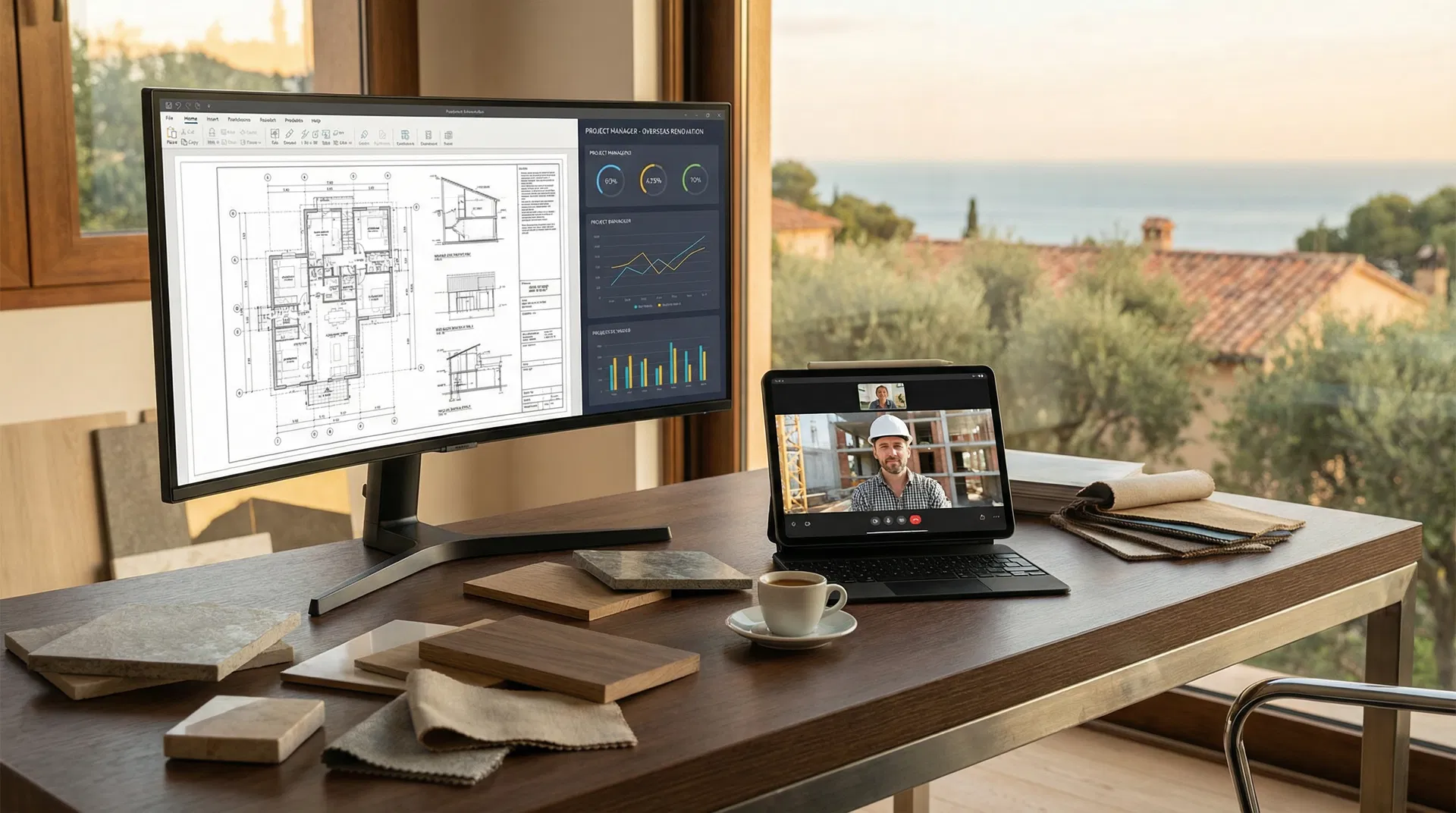
Once you arrive in Sicily with your visa, you have eight days to apply for your permesso di soggiorno (residence permit) at the local Questura (police headquarters). This is a critical step and often involves significant paperwork and patience. Engaging a local professional or a project management service that assists with bureaucracy can be invaluable.
Tax Incentives for New Residents
Italy offers attractive tax regimes to encourage foreigners to move to its southern regions, including Sicily. These incentives can dramatically reduce your tax burden.
The 7% Flat Tax for Retirees
This scheme is available to pensioners of any nationality who have not been tax resident in Italy for the previous five years. By moving their tax residency to a municipality in Southern Italy with a population under 20,000, they can benefit from a 7% flat tax on all their foreign-sourced income, including pensions. This favourable rate is applicable for ten years.
Other Tax Benefits
For those who do not qualify for the 7% regime, Italy still offers other potential benefits. It is crucial to seek advice from a tax professional to understand your specific situation, especially concerning tax treaties between Italy and your home country. Our guide for foreign buyers provides more context on financial matters.
The Sicilian Healthcare System (SSN)
Once you are a legal resident, you are entitled to register with the Servizio Sanitario Nazionale (SSN), Italy’s national healthcare service. The SSN provides free or low-cost access to general practitioners (GPs), public hospitals, and specialist care. The quality of care in Sicily is generally good, particularly in the larger cities, though you may encounter longer waiting times for certain procedures compared to private options.
Many expats choose to maintain private health insurance to supplement the public system. This provides access to private hospitals and clinics, allows you to choose your own specialists, and can significantly reduce waiting times. When first arriving, private insurance is mandatory until your SSN registration is complete.
Daily Life and Culture in Sicily
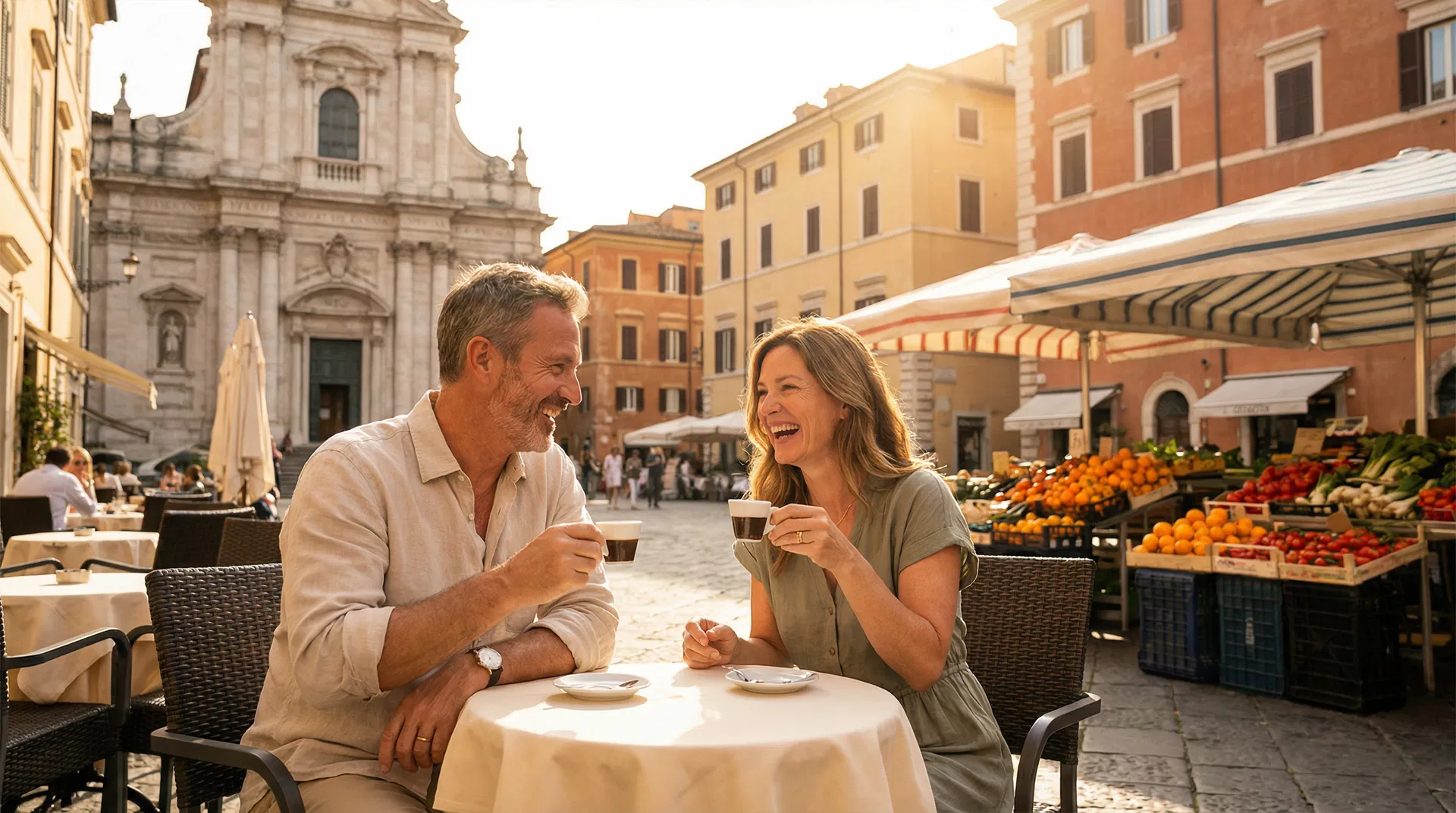
Life in Sicily moves at a different pace. The concept of la dolce vita is deeply ingrained in the culture, with a strong emphasis on family, food, and community. Sicilians are known for their warmth and hospitality, though a basic grasp of the Italian language is essential for true integration.
Language Considerations
While you may find English speakers in tourist-heavy areas, daily life—from shopping at the market to dealing with bureaucracy—will require Italian. The Sicilian dialect is also widely spoken, but locals will happily switch to standard Italian. Enrolling in a language course upon arrival is highly recommended and is a great way to meet people.
Best Cities for Expats
- Palermo: The vibrant, chaotic, and culturally rich capital offers a truly immersive Sicilian experience.
- Catania: A dynamic city at the foot of Mount Etna, known for its Baroque architecture and lively nightlife.
- Siracusa (Syracuse): A stunning coastal city with a historic heart on the island of Ortigia, offering a more relaxed pace of life.
- Taormina: A picturesque and popular hilltop town with breathtaking views, though it is one of the more expensive locations.
- Ragusa & Noto: Gems of the Val di Noto, these UNESCO-listed towns are perfect for those seeking architectural beauty and a quieter lifestyle.
| Feature | Palermo | Catania | Siracusa | Ragusa |
|---|---|---|---|---|
| Vibe | Energetic & Historic | Dynamic & Youthful | Elegant & Coastal | Baroque & Tranquil |
| Cost of Living | Low | Low | Moderate | Low |
| Expat Community | Growing | Moderate | Established | Small |
| Best For | Urban adventurers | Nightlife & culture | History & seaside living | Architectural beauty |
Frequently Asked Questions (FAQ)
Is Sicily a safe place to live?
Yes, Sicily is generally a very safe place to live. While petty crime can occur in larger cities, as in any other part of the world, violent crime is rare. The image of the Mafia, while historically significant, has very little impact on the daily lives of residents.
Can I work in Sicily as an expat?
If you are a non-EU citizen, you will need a work visa to be employed by an Italian company. The Elective Residence Visa does not permit employment. Many expats work remotely for companies based in their home country or start their own businesses. Consulting with Sicilian architects and professionals can be a great first step for business ventures.
How is the internet quality in Sicily?
Internet infrastructure has improved significantly in recent years. Fibre-optic connections are widely available in cities and larger towns, offering high speeds suitable for remote work and streaming. In more rural areas, the connection may be less reliable, so it is important to check availability before committing to a property.
Do I need to speak Italian to live in Sicily?
While not strictly necessary in the very beginning, especially in tourist areas, speaking Italian is crucial for long-term integration and for handling everyday administrative tasks. It will enrich your experience and open doors to a deeper connection with the local community.
Your Sicilian Dream Awaits
Living in Sicily offers a unique opportunity to experience a rich culture, a relaxed pace of life, and a stunning natural environment, all at an affordable cost. While the bureaucratic hurdles can be challenging, the rewards of a life on this beautiful island are undeniable. If you are considering making the move and need assistance with finding and renovating your dream home, our team at Terra Nostra Costruzioni is here to help. From navigating property purchases to managing a full turnkey renovation, we provide the expertise you need. Contact us today to start your journey.
Ready to Start Your Project?
Contact Terra Nostra Costruzioni for a free consultation. We provide bilingual project management for renovation projects across Sicily.
Ask AI About This Topic
Get instant AI-powered answers about Foreign Buyers
These links open external AI platforms with a pre-filled question about this topic.