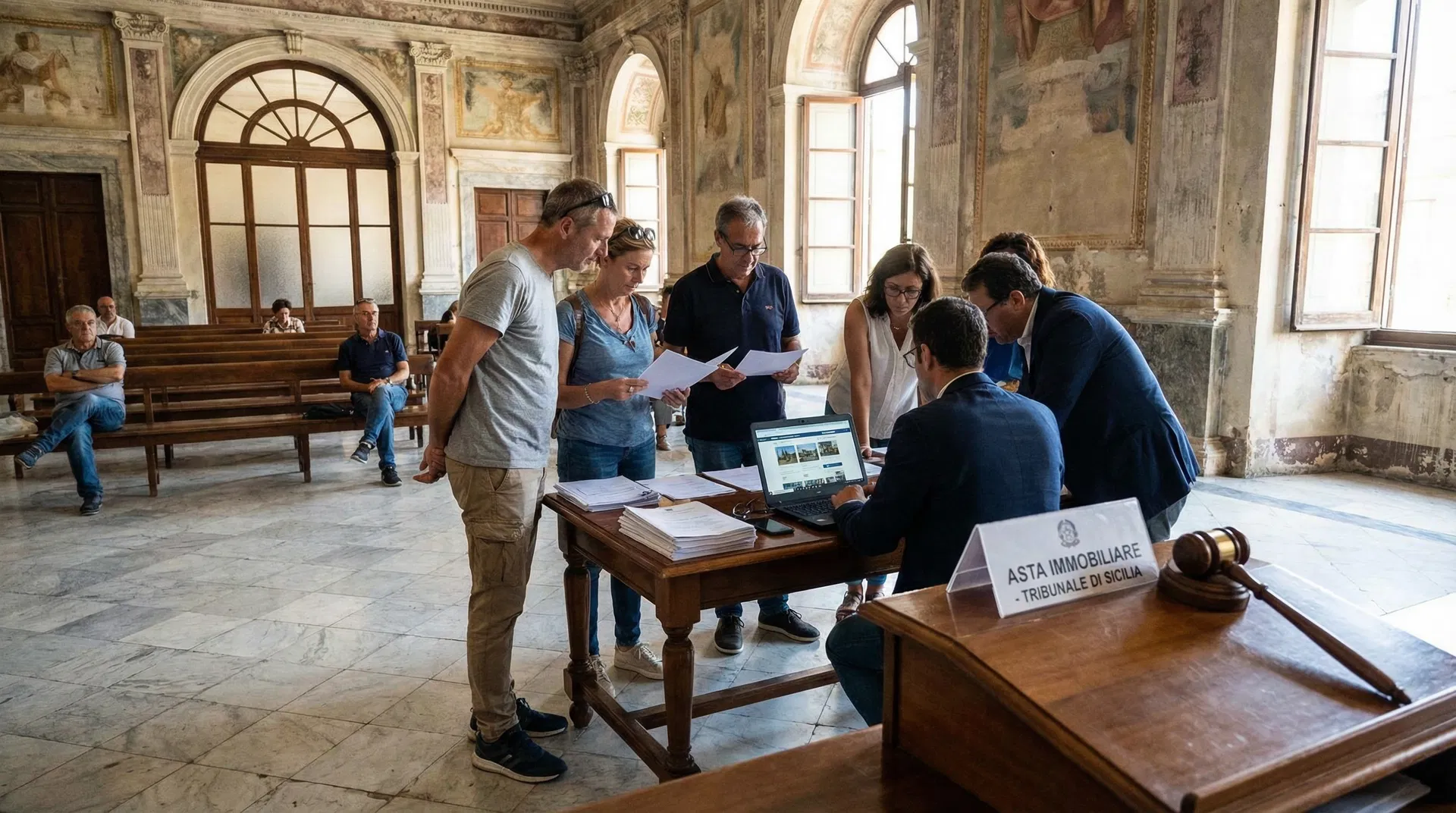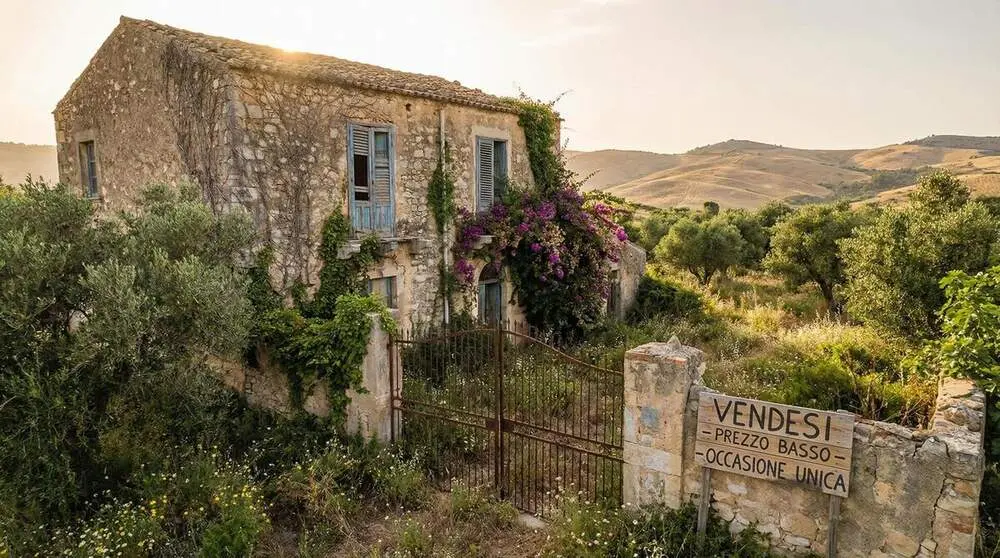
Navigating the Sicilian property market as a foreign buyer is an exciting journey, but turning a rustic farmhouse or a city-centre apartment into your dream home requires a crucial partner: a qualified local architect. Working with Sicilian architects is not just a recommendation; it is a fundamental necessity for any successful renovation or construction project on the island. Their expertise is indispensable for managing complex local planning laws, sourcing reliable builders, and ensuring your vision is realised in compliance with Italy’s rigorous building standards. This guide provides a comprehensive overview for foreign clients on what to expect, how to collaborate effectively, and the essential role an architect plays in safeguarding your investment and delivering a successful outcome.
Why You Need a Sicilian Architect for Your Renovation Project
In Italy, the role of an architect (architetto) extends far beyond simple design. They are legally mandated professionals responsible for the technical and administrative oversight of a building project. For foreign investors, their involvement is non-negotiable for several key reasons. Firstly, any structural change, extension, or significant renovation requires a formal building permit, such as the SCIA (Segnalazione Certificata di Inizio Attività) or CILA (Comunicazione di Inizio Lavori Asseverata). These applications must be prepared, signed, and submitted by a registered architect or engineer. Attempting to bypass this process can lead to severe penalties, including fines and orders to demolish the unauthorised work. A local architect ensures your project is fully compliant from the outset, navigating the often-opaque bureaucracy of the local municipality (comune) and, if necessary, the heritage authority (Soprintendenza). For more details on the types of permits, see our guide to Italian building permits.
Beyond legal compliance, a Sicilian architect brings invaluable local knowledge. They have established relationships with trusted builders, artisans, and suppliers, which is critical in a market where quality and reliability can vary significantly. They understand the nuances of local construction techniques and materials, from traditional terracotta tiles for a roof restoration in Sicily to the use of volcanic stone in Catania. This local expertise not only ensures a more authentic and durable result but also helps in negotiating fair prices and avoiding costly mistakes. The architect acts as your representative on the ground, supervising the construction work (Direzione Lavori) to ensure it aligns with the approved plans and meets the required quality standards. This is especially vital for clients managing their project from overseas.
The Key Differences: Architect, Engineer, and Geometra
Understanding the distinct roles of the key technical professionals in Italy is crucial for foreign clients to assemble the right team. While their functions can sometimes overlap, each has a specific area of expertise.
-
Architect (Architetto): The architect is the creative and administrative lead of your project. They are responsible for the overall design, aesthetics, and spatial planning. Their primary role is to translate your vision into a feasible project, prepare the detailed drawings, and manage the entire permit application process. They also typically oversee the construction phase to ensure the design is executed correctly. For projects involving historic buildings, an architect with specialisation in restoration is essential.
-
Engineer (Ingegnere): The engineer’s focus is on the structural integrity and safety of the building. They are legally required for all projects involving structural calculations, such as creating new openings in load-bearing walls, adding a new floor, or undertaking seismic retrofitting. The engineer works in close collaboration with the architect, providing the necessary calculations and technical reports to be included in the permit application. In many cases, a single firm may have both architects and engineers on staff.
-
Geometra: The geometra is a unique Italian professional whose role sits somewhere between a surveyor, a junior architect, and a project manager. They are qualified to handle smaller-scale projects, such as minor interior renovations (CILA), land surveys, and property registration updates (catasto). For larger projects, a geometra often works under the direction of an architect, assisting with site surveys, drafting, and administrative tasks. While a geometra can be a cost-effective option for simpler jobs, a full renovation or new build legally requires an architect and an engineer. Many foreign buyers find that a turnkey renovation service in Sicily simplifies this process by coordinating all these professionals for them.
A Step-by-Step Guide to the Architectural Process in Sicily
The architectural process for a renovation in Sicily follows a structured path, designed to ensure clarity, compliance, and quality control. It typically unfolds in several distinct phases:
-
Initial Consultation and Feasibility Study (Studio di Fattibilità): This first step involves discussing your ideas, budget, and requirements with the architect. They will conduct a preliminary analysis of the property, review planning regulations, and advise on the project's feasibility. This phase often includes a rough cost estimate.
-
Concept Design (Progetto Preliminare): Based on the initial brief, the architect develops a concept design. This includes floor plans, elevations, and 3D renderings to help you visualise the proposed layout and style. This is an iterative process where you provide feedback to refine the design.
-
Definitive and Executive Design (Progetto Definitivo ed Esecutivo): Once the concept is approved, the architect creates a detailed set of technical drawings and specifications. The Progetto Definitivo is used for the building permit application. The Progetto Esecutivo is the final, highly detailed construction plan, including all structural, electrical, and plumbing information. This is the blueprint the builders will follow.
-
Permit Application (Pratiche Edilizie): The architect prepares and submits all the necessary documentation to the relevant authorities. This can be a lengthy process, especially for complex projects or those in protected areas. The architect manages all communication with the planning office.
-
Tendering and Contractor Selection (Gara d'Appalto): The architect prepares a detailed bill of quantities (Computo Metrico Estimativo) and invites bids from several trusted construction companies. They will help you evaluate the tenders and select the most suitable builder for your project.
-
Construction Supervision (Direzione Lavori): During the construction phase, the architect (or an appointed Director of Works) regularly visits the site to monitor progress, ensure quality, and resolve any technical issues that arise. They are your eyes and ears on the ground, ensuring the work is executed according to the plan.
-
Final Certification and Handover (Certificato di Agibilità): Upon completion, the architect conducts a final inspection and submits the necessary paperwork to certify that the work complies with all regulations. They will then formally hand over the completed property to you.
Understanding Architect Fees and Contracts in Italy
Architect fees in Italy are not standardised and can be structured in several ways. It is essential to have a clear, written contract (contratto) that outlines the scope of services, the fee structure, and the payment schedule before any work begins. The two most common fee structures are a percentage of the total construction cost or a fixed lump-sum fee.
| Fee Structure | Typical Rate | Best For | Considerations |
|---|---|---|---|
| Percentage of Works | 8% - 12% | Large, complex projects with uncertain final costs. | The fee is tied to the construction cost, which can create a potential conflict of interest. Ensure the contract specifies what is included in the 'construction cost'. |
| Fixed Fee (Corpo) | Varies | Projects with a clearly defined scope and budget. | Provides cost certainty but may be less flexible if the scope of work changes significantly during the project. |
It is also common for architects to charge separately for different phases of the project. For example, they might charge a fixed fee for the design and permit phase, and then a percentage for the construction supervision. Always clarify what is included in the fee. Typically, the architect's fee covers their design and administrative services. It does not usually include the fees for the engineer, geometra, or any specialist consultants. These will be separate costs. A clear contract is your best protection. It should be in both Italian and English and reviewed by a legal professional if you have any doubts.
How to Find and Vet the Right Architect for Your Project
Finding the right architect is the single most important decision you will make for your renovation project. Start by seeking recommendations from other expats who have completed projects in Sicily. Online forums and community groups can be a good source of information. Look for architects who have specific experience with the type of project you are planning, whether it is a historic property renovation or a modern new build. It is also wise to choose an architect who is based near your property, as they will have better local connections and can supervise the site more effectively.
Once you have a shortlist of potential architects, schedule consultations with at least three of them. Prepare a clear brief for your project to discuss. Ask to see a portfolio of their previous work and, if possible, speak to some of their former clients. Check their registration with the Ordine degli Architetti (the professional association of architects). A good architect should be a good listener, someone who understands your vision but is also able to provide constructive feedback and manage your expectations. They should be transparent about their fees and the overall project costs. Finally, ensure they have experience working with foreign clients and are comfortable communicating in English.
Communication and Project Management with Your Sicilian Architect
Clear and consistent communication is the bedrock of a successful client-architect relationship, especially when managing a project from abroad. Establish a communication schedule from the outset. A weekly video call to review progress, discuss decisions, and address any issues is a good practice. Use a shared online folder to store all project documents, photos, and correspondence. This ensures both you and the architect have access to the same information.
Below is a sample timeline for a typical apartment renovation in Palermo, illustrating the key phases and communication points.
| Phase | Duration | Key Activities | Communication Focus |
|---|---|---|---|
| 1. Design & Permitting | 8-16 weeks | Concept design, technical drawings, permit submission. | Weekly calls to review design iterations and approve final plans. |
| 2. Tendering | 3-4 weeks | Sending project to builders for quotes. | Reviewing and comparing bids with the architect. |
| 3. Construction | 16-24 weeks | Demolition, structural work, plumbing, electrical, finishing. | Regular photo/video updates from the site. Decisions on materials and finishes. |
| 4. Handover | 1-2 weeks | Final inspections, certifications, and handover. | Final walkthrough (in person or virtual) and snagging list. |
It is important to trust your architect's professional judgment, but do not be afraid to ask questions if you are unsure about something. If you are managing the project from overseas, consider appointing a trusted local representative or a project manager to act on your behalf for key decisions or inspections. This can provide an extra layer of oversight and peace of mind.
Common Pitfalls to Avoid When Working with Architects in Sicily
While a good architect is your greatest asset, there are some common pitfalls to be aware of. One is the 'superbonus' culture. While government incentives like the Superbonus 110% have been popular, they have also led to inflated prices and a shortage of quality builders. Be wary of any architect or builder who pushes you towards a bonus-driven renovation without a clear and realistic assessment of the costs and timelines. Another issue is the lack of a detailed contract. Always insist on a comprehensive written agreement. Verbal agreements are common in Sicily but offer you no protection if things go wrong.
Budget overruns are another risk. Be realistic about your budget from the start and ask your architect to include a contingency fund of at least 15-20% in the overall cost estimate. This will help to cover any unforeseen issues that may arise, which are common in older properties. Finally, be patient. The bureaucracy in Italy can be slow, and building projects often take longer than expected. A good architect will manage this process for you, but it is important to have realistic expectations about the timeline.
The Role of the Architect in Historic Renovations
Renovating a historic property in Sicily, such as a baroque palazzo in Noto or a traditional stone farmhouse (baglio), requires a specialised set of skills. These projects are subject to strict regulations from the Soprintendenza ai Beni Culturali, the authority that protects Italy's cultural heritage. An architect with proven experience in historic restoration is essential. They will know how to navigate the complex approval process and how to blend modern comforts with the preservation of historic features.
These architects work with specialised artisans who are skilled in traditional techniques, such as restoring original maiolica floor tiles or repairing ancient stone walls. They understand the importance of using appropriate materials and methods to maintain the character and integrity of the building. When interviewing architects for a historic renovation, ask specifically about their experience with the Soprintendenza and their network of restoration specialists. A successful historic renovation is a delicate balance between preservation and modernisation, and the right architect is the key to achieving that balance.
Frequently Asked Questions
Can a geometra manage my entire renovation project in Sicily?
For minor interior works that do not involve structural changes (a CILA application), a geometra is often sufficient. However, for any project requiring a SCIA permit, structural calculations, or involving a historic building, an architect and an engineer are legally required. For a full renovation, it is always advisable to have an architect leading the project.
What is a realistic budget for architect fees for a €150,000 renovation?
Based on a percentage model, you could expect architect fees to be in the range of 8% to 12% of the total construction cost. For a €150,000 renovation, this would equate to €12,000 to €18,000. This fee typically covers the design, permit application, and construction supervision. Always confirm what is included in the quoted fee.
How long does it take to get a building permit in Sicily?
A CILA for interior works can often be submitted and work can begin almost immediately. A SCIA, which is required for more substantial renovations, typically takes 30-60 days for approval, provided all the documentation is in order. For projects requiring approval from the Soprintendenza, the process can take six months or even longer.
Should I hire an independent project manager as well as an architect?
For most standard renovation projects, the architect's construction supervision (Direzione Lavori) is sufficient. However, if you are managing the project from overseas and have limited ability to visit the site, an independent project manager can provide an extra layer of oversight and act as your dedicated representative on the ground.
What are the 'bonus' schemes and should I use them?
Italy offers various tax incentives ('bonus') for renovations, such as the 'Bonus Ristrutturazione'. These can offer significant savings, but the rules are complex and change frequently. A good architect will be able to advise you on the latest schemes and whether they are applicable to your project. Be cautious, as the popularity of these schemes has also led to inflated prices in the construction sector.
How do I pay an architect in Italy from abroad?
Most architects will require payment via bank transfer. They will provide you with an invoice (fattura) with their bank details. It is standard practice to pay in instalments at the completion of each project phase, as outlined in your contract. Ensure you have a clear payment schedule agreed in writing.
What if I have a dispute with my architect?
If a dispute arises, the first step is to try and resolve it through direct communication. If that fails, your written contract is your key legal document. The contract should specify the court of jurisdiction (Foro competente). You may need to seek legal advice from an Italian lawyer (avvocato) who specialises in construction law.
Embarking on a renovation in Sicily is a significant undertaking, but with the right professional guidance, it can be a deeply rewarding experience. A skilled Sicilian architect is your most valuable ally, transforming the challenges of bureaucracy and construction into a seamless process. They are the key to unlocking the potential of your Sicilian property and creating a home that is both beautiful and compliant. If you are ready to start your project, we can connect you with our network of vetted, English-speaking architects across the island.
Ready to Start Your Project?
Contact Terra Nostra Costruzioni for a free consultation. We provide bilingual project management for renovation projects across Sicily.
Ask AI About This Topic
Get instant AI-powered answers about Foreign Buyers
These links open external AI platforms with a pre-filled question about this topic.