Embarking on a renovation project in Noto, the jewel of Sicilian Baroque, is an undertaking unlike any other. This UNESCO World Heritage site, with its golden-hued limestone buildings and theatrical urban design, demands a deep respect for its history and a meticulous approach to preservation. A successful renovation in Noto is not merely about updating a property; it is about becoming a custodian of a unique architectural legacy. This guide provides a comprehensive overview of the process, from navigating the stringent regulations to selecting the right materials and managing costs, ensuring your project honours Noto's irreplaceable charm while creating a home of modern comfort and timeless beauty.
Understanding Noto's Unique Architectural Context
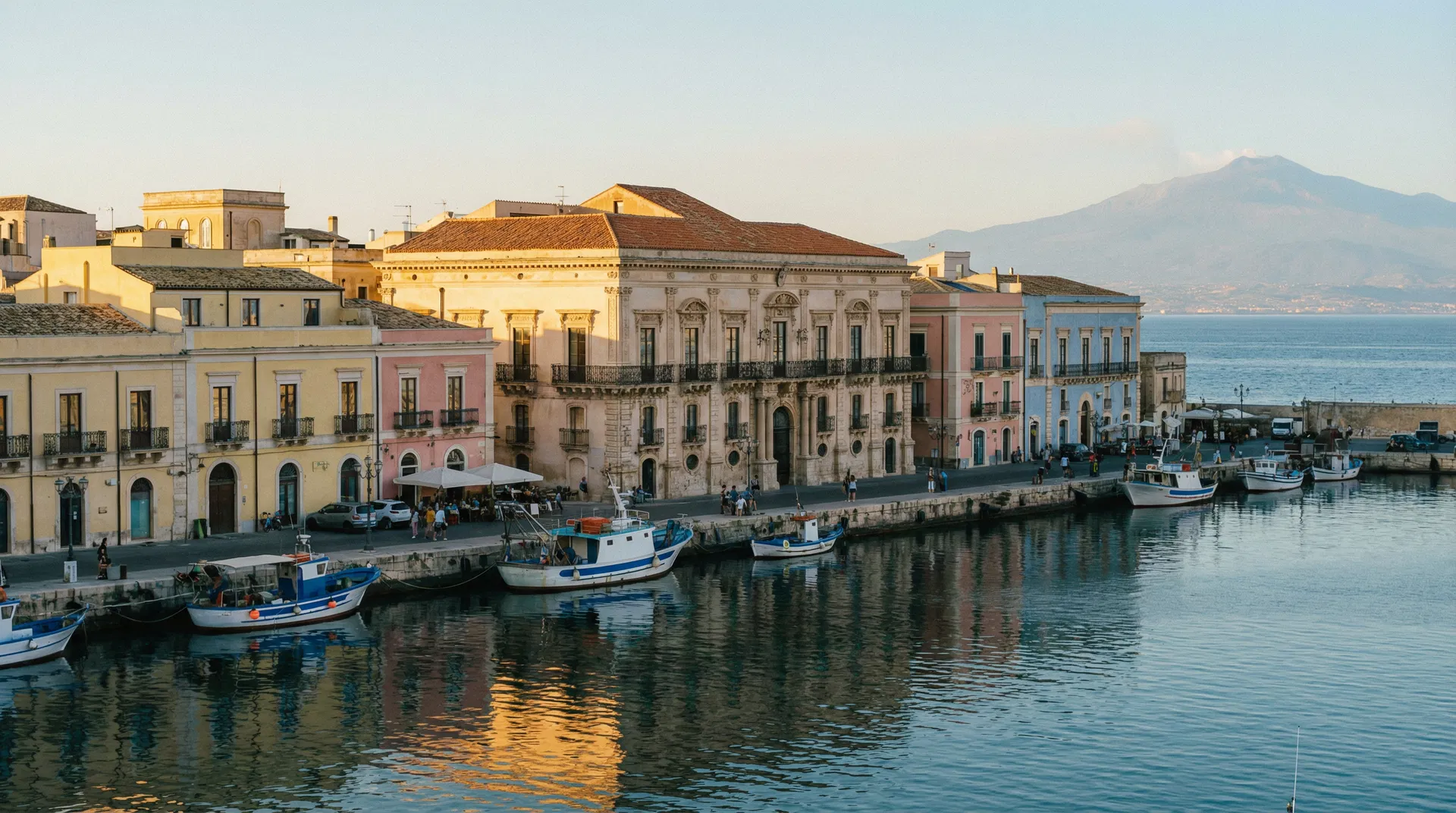
Noto's significance extends far beyond its aesthetic appeal. The city was entirely rebuilt after the devastating earthquake of 1693, becoming the epicentre of the Sicilian Baroque movement. This reconstruction was not a haphazard affair but a carefully planned urban experiment, resulting in a harmonious cityscape of palaces, churches, and public squares. The local limestone, known as 'pietra di Noto', gives the city its characteristic warm, honey-like glow, which intensifies at sunset. This stone is relatively soft when quarried, allowing for the intricate carvings that define Baroque architecture, yet it hardens over time, ensuring the longevity of the structures.
Any renovation project must begin with a thorough understanding of this context. The strict regulations in place are not designed to stifle creativity but to protect the very essence of Noto's identity. The Soprintendenza ai Beni Culturali e Ambientali, the regional authority for cultural heritage, plays a crucial role in overseeing all interventions on historic buildings. Their approval is mandatory for any work that affects the structural or aesthetic integrity of a property. Engaging with a local architect or geometra who is experienced in dealing with the Soprintendenza is not just advisable; it is essential for a smooth and successful project. For those new to the process, our guide for foreign buyers on purchasing and renovating in Sicily offers a foundational understanding of the initial steps.
Navigating the Regulatory Maze: Permits and Approvals
The journey of a Noto renovation is paved with paperwork. The Italian building permit system can be complex, and for a protected site like Noto, the requirements are even more stringent. The two main types of permits you are likely to encounter are the SCIA (Segnalazione Certificata di Inizio Attività) and the CILA (Comunicazione di Inizio Lavori Asseverata). The CILA is generally for more minor works that do not involve structural changes, while the SCIA is required for more substantial interventions. However, in Noto's historic centre, almost any work will require the additional approval of the Soprintendenza.
To obtain this approval, your architect will need to submit a detailed project plan, including architectural drawings, a technical report, and a photographic survey of the property. The Soprintendenza will review the project to ensure it complies with the preservation guidelines for the Val di Noto. This process can take several months, so it is crucial to factor this into your timeline. The authorities will scrutinise every detail, from the type of mortar used to the colour of the window frames. Any deviation from the traditional materials and techniques is likely to be rejected. A comprehensive overview of the permit process can be found in our article on Italian building permits, SCIA and CILA.
The Role of the Soprintendenza: A Collaborative Partnership
Dealing with the Soprintendenza can seem daunting, but it is best to view them as a partner in your project rather than an obstacle. Their primary goal is to preserve the architectural heritage of Sicily, and their expertise can be invaluable. An experienced local professional will know how to present your project in a way that aligns with the Soprintendenza's objectives, increasing the chances of a swift approval. They will also be able to advise you on the specific constraints and opportunities related to your property.
For example, the Soprintendenza may have specific requirements for the restoration of original features, such as stone balconies, decorative mouldings, or traditional wooden doors. They may also have guidelines on the use of modern technologies, such as solar panels or air conditioning units, to ensure they do not detract from the building's historic character. While these regulations may seem restrictive, they are ultimately what protects Noto's unique charm and ensures that its beauty will endure for generations to come. Understanding the nuances of working with this body is key, as detailed in our guide to renovating historic properties in Sicily and the Soprintendenza.
Material Selection: Honouring Tradition and Ensuring Authenticity
The choice of materials is one of the most critical aspects of a Noto renovation. The use of authentic, locally sourced materials is not just an aesthetic preference; it is a regulatory requirement. The 'pietra di Noto' is, of course, the star of the show. Any new stonework or repairs to existing masonry must be done with this specific type of limestone to maintain the visual harmony of the cityscape. Similarly, traditional lime-based mortars and plasters must be used instead of modern cement-based products, which can damage the soft stone and trap moisture.
For roofing, the traditional choice is Sicilian terracotta tiles, known as 'coppi'. These curved tiles create a distinctive roofscape and are essential for maintaining the authentic character of the buildings. When it comes to floors, you may be lucky enough to find original hand-painted majolica tiles, which should be carefully restored. If new flooring is required, there are many local artisans who still produce beautiful, traditional-style tiles. The same principle applies to windows and doors, which should be made of wood and painted in the traditional colours approved by the Soprintendenza. Our guide to roof restoration in Sicily with terracotta tiles provides more detail on this specific aspect.
Cost of Authentic Materials
Sourcing and using authentic materials can be more expensive than using modern alternatives. However, it is a non-negotiable aspect of renovating in Noto and should be factored into your budget from the outset. The table below provides an estimated cost comparison for some of the key materials.
| Material | Traditional (EUR) | Modern Alternative (EUR) | Notes |
|---|---|---|---|
| Exterior Stone | 150 - 250 per sq. m. | 70 - 120 per sq. m. | 'Pietra di Noto' is mandatory for exterior work. |
| Mortar/Plaster | 30 - 50 per sq. m. | 15 - 25 per sq. m. | Lime-based products are required for breathability. |
| Terracotta Roof Tiles | 60 - 90 per sq. m. | 30 - 50 per sq. m. | 'Coppi' tiles are essential for authentic appearance. |
| Wooden Windows | 800 - 1,500 per window | 400 - 700 per window | Custom-made wooden frames are often required. |
| Majolica Floor Tiles | 100 - 300+ per sq. m. | 40 - 80 per sq. m. | Hand-painted tiles add significant value and character. |
Assembling Your Team: Architects, Geometras, and Builders
A successful renovation project in Noto depends on the quality of your team. The key players will be your architect or geometra, and your builder ('muratore'). An architect ('architetto') is a university-educated professional who can handle the design, project management, and all dealings with the authorities. A geometra is a technical surveyor who is also qualified to manage renovation projects and handle permit applications. For complex historic renovations, an architect is often the better choice due to their deeper understanding of architectural history and conservation principles.
When choosing a professional, look for someone who has a proven track record of working on historic properties in Noto. Ask to see their portfolio and speak to previous clients. A good architect will not only have the technical expertise but also the right connections and a deep understanding of the local context. They will be your most valuable asset in navigating the complexities of the project. Finding the right builder is equally important. Look for a company that specialises in historic restoration and has a team of skilled artisans who are experienced in working with traditional materials and techniques. Our guide on finding reliable builders in Sicily can be a valuable resource.
Budgeting for Your Noto Renovation: A Realistic Overview
Renovating a historic property in Noto is a significant financial investment. The costs can vary widely depending on the size and condition of the property, the complexity of the work, and the level of finish you desire. As a general rule, you should budget for a full renovation to cost between €1,500 and €3,000 per square metre. This is significantly higher than a standard renovation in other parts of Sicily, due to the specialist skills and materials required.
It is essential to have a detailed budget from the outset, prepared by your architect or geometra. This should include all costs, from professional fees and permit applications to materials and labour. It is also wise to include a contingency fund of at least 20% to cover any unforeseen issues that may arise during the renovation. Historic buildings often hide surprises, such as structural problems or hidden damp, which can add to the cost and timeline of the project. The table below provides a sample budget breakdown for a 100 sq. m. apartment renovation in Noto.
Sample Renovation Budget (100 sq. m. Apartment)
| Item | Estimated Cost (EUR) | Percentage of Total |
|---|---|---|
| Professional Fees (Architect/Geometra) | 15,000 - 25,000 | 8% - 12% |
| Permit & Approval Fees | 5,000 - 10,000 | 3% - 5% |
| Structural Works & Demolition | 20,000 - 40,000 | 10% - 20% |
| Masonry & Stonework (Pietra di Noto) | 30,000 - 50,000 | 15% - 25% |
| Roofing (Terracotta Tiles) | 15,000 - 25,000 | 8% - 12% |
| Electrical & Plumbing Systems | 20,000 - 30,000 | 10% - 15% |
| Plastering & Painting (Lime-based) | 15,000 - 20,000 | 8% - 10% |
| Windows & Doors (Wood) | 15,000 - 25,000 | 8% - 12% |
| Flooring (Majolica/Terracotta) | 10,000 - 20,000 | 5% - 10% |
| Interior Finishes & Fittings | 20,000 - 40,000 | 10% - 20% |
| Total Estimated Cost | 165,000 - 285,000 | 100% |
| Contingency (20%) | 33,000 - 57,000 | |
| Grand Total | 198,000 - 342,000 |
Project Timeline: Patience is a Virtue
Renovating in Noto is not a speedy process. The combination of bureaucratic hurdles, the need for specialist skills, and the careful nature of the work means that projects can take significantly longer than in other locations. A full renovation of a medium-sized property can easily take 18 to 24 months from the initial design phase to the final handover. The permit application process alone can take 6 to 9 months, so it is important to be patient and have realistic expectations.
Weather can also play a role. While Sicily enjoys a mild climate, heavy rains in the winter can cause delays to exterior work. It is also important to remember that many businesses, including builders and suppliers, close for the month of August. This should be factored into your project schedule. Your architect will be able to provide you with a detailed timeline for your project, but it is always wise to build in some flexibility to accommodate potential delays.
Frequently Asked Questions (FAQ)
Can I use modern materials in my Noto renovation?
In general, the use of modern materials is heavily restricted, especially on the exterior of buildings. The Soprintendenza requires the use of traditional materials like 'pietra di Noto', lime-based mortars, and terracotta tiles to maintain the architectural integrity of the city. Some modern technologies may be permitted for internal systems, but they must be discreetly integrated.
Do I need to hire a local architect?
While it is not legally required to hire an architect from Noto, it is highly recommended. A local professional will have an established relationship with the Soprintendenza and a deep understanding of the specific regulations and building traditions of the area. This can save you a significant amount of time, money, and stress.
How much does it cost to renovate a property in Noto's historic centre?
As a rough guide, you should budget between €1,500 and €3,000 per square metre for a full, high-quality renovation. This is higher than in other parts of Sicily due to the specialist materials and labour required for historic preservation work.
What is the biggest challenge when renovating in Noto?
The biggest challenge is often navigating the bureaucracy and obtaining the necessary permits from the Soprintendenza. The process can be slow and demanding, which is why having an experienced local professional on your team is so crucial. Unforeseen structural issues in old buildings can also pose a significant challenge.
Are there any tax incentives for renovating a historic property in Noto?
Yes, Italy offers several tax incentives for building renovations, known as 'bonus ristrutturazione'. These can provide significant tax deductions on renovation costs. The specific bonuses and their eligibility criteria change frequently, so it is important to consult with your architect or a tax advisor for the most up-to-date information. Our article on renovation bonuses and tax deductions in Sicily provides a good starting point, although it is in Italian.
Can I manage the renovation project myself from abroad?
While it is technically possible, it is extremely difficult and not recommended. A successful renovation in Noto requires constant on-site supervision and close collaboration with your team. If you cannot be in Sicily for the duration of the project, it is essential to hire a reputable architect or project manager to oversee the work on your behalf. For more on this, see our guide on project management for overseas renovations in Sicily.
What is the 'vincolo' on a property?
A 'vincolo' is a legal constraint placed on a property of historical or artistic significance. If a property in Noto has a 'vincolo', it means that all renovation work is subject to the strict oversight and approval of the Soprintendenza. Most properties in the historic centre will have some form of 'vincolo'.
Renovating a property in Noto is a journey filled with unique challenges and immense rewards. It is an opportunity to contribute to the preservation of one of the world's most beautiful urban landscapes. By approaching the project with respect, patience, and the right team of experts, you can create a home that is not only a beautiful and comfortable living space but also a piece of living history. If you are ready to begin your Noto renovation journey, our team of experienced architects and project managers is here to guide you every step of the way.
Ready to Start Your Project?
Contact Terra Nostra Costruzioni for a free consultation. We provide bilingual project management for renovation projects across Sicily.
Ask AI About This Topic
Get instant AI-powered answers about Location Guides
These links open external AI platforms with a pre-filled question about this topic.