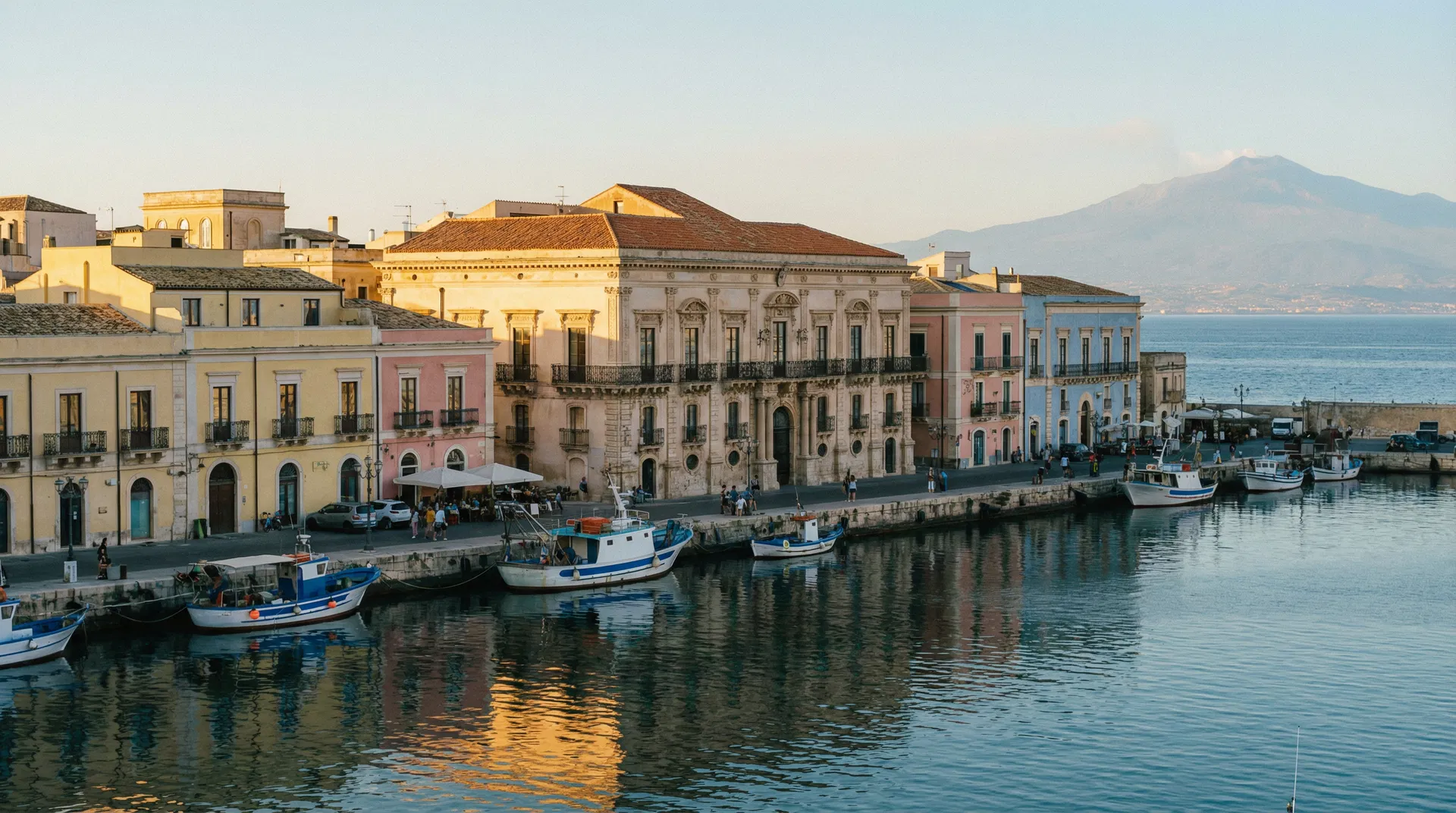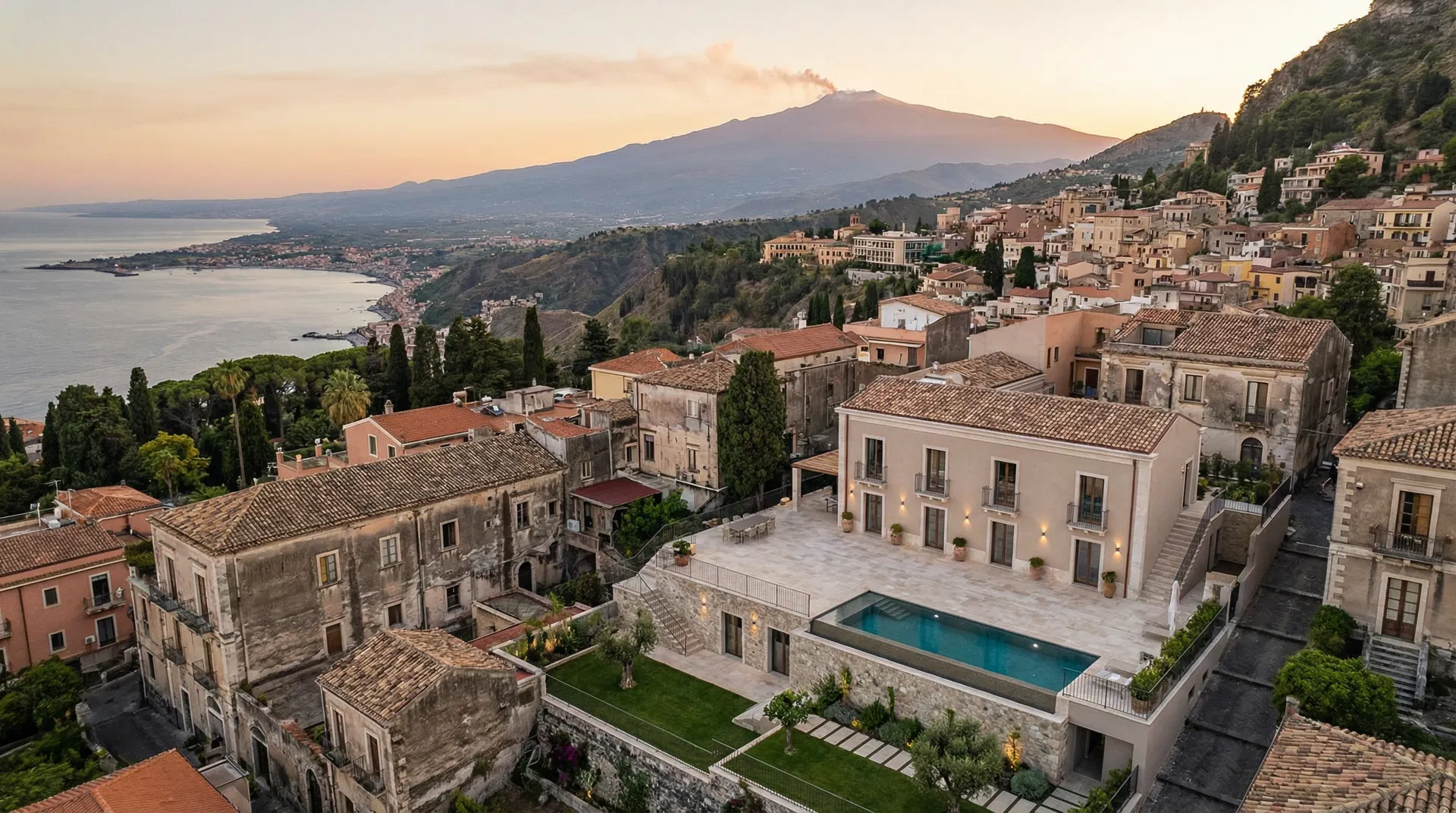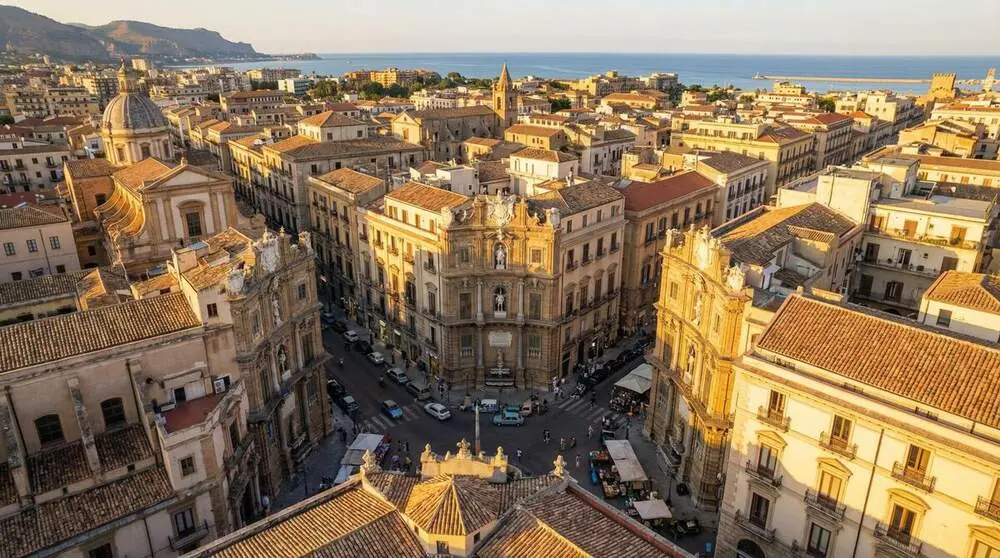
Renovating a property in Ragusa Ibla, a jewel of Sicilian Baroque architecture and a UNESCO World Heritage site, is a dream for many. This ancient town, perched dramatically on a hilltop in southeastern Sicily, offers a unique opportunity to own a piece of history. However, the privilege of restoring a home here comes with a distinct set of challenges and responsibilities. This guide provides a comprehensive overview of the renovation process in Ragusa Ibla, from navigating the stringent building regulations to understanding the costs and finding the right local expertise.
The Allure and Challenge of Renovating in a UNESCO Site
Ragusa Ibla’s inclusion in the Val di Noto UNESCO World Heritage list since 2002 is a testament to its outstanding universal value. The town is a breathtaking ensemble of honey-coloured limestone buildings, labyrinthine alleys, and grandiose churches, all rebuilt in the wake of the devastating 1693 earthquake. This protected status means that any renovation project, no matter how small, is subject to rigorous scrutiny to preserve the area’s architectural integrity and historical character. The primary governing body is the Soprintendenza ai Beni Culturali e Ambientali, which works alongside the local council (Comune) to enforce these protective measures. Aspiring renovators must be prepared for a meticulous planning and approval process, which often involves detailed historical analysis and the use of traditional materials and techniques. While this can extend timelines and budgets, the result is a beautifully preserved property that honours its past while being fit for modern living. For those new to the process, consulting with professionals who specialise in historic renovations is not just recommended, it is essential. A detailed guide on working with Sicilian architects for foreign clients can provide invaluable insights into this crucial first step.
Navigating the Approval Process: Soprintendenza and Comune
The journey to renovating in Ragusa Ibla begins with securing the necessary permits, a process that requires careful navigation of both local and regional bureaucracy. The first port of call is typically the Ufficio Tecnico (Technical Office) of the Comune di Ragusa. Here, you will submit your initial project proposal, which must be prepared by a qualified local professional, such as an architect, engineer, or geometra. Given the historical significance of the area, the Soprintendenza plays a pivotal role. This regional body is tasked with safeguarding Sicily’s cultural heritage, and their approval is mandatory for any work that affects the external appearance, structure, or historical elements of a building in a protected zone. This includes changes to facades, roofs, windows, and even internal layouts if they impact the building’s structural integrity. The documentation required is extensive, often including detailed architectural drawings, a historical report on the property, and a materials specification sheet. The approval process can be lengthy, sometimes taking several months. It is crucial to factor this into your project timeline. Understanding the different types of Italian building permits like SCIA and CILA is fundamental to a smooth process.
Property Types and Their Unique Renovation Needs
Ragusa Ibla boasts a diverse range of property types, each with its own set of renovation considerations. The grand Baroque palazzi, often divided into multiple apartments, feature large balconies, ornate stonework, and spacious internal courtyards. Renovating these requires a delicate touch to preserve decorative elements like frescoes, original tiles, and stone carvings. Traditional townhouses, or ‘case a schiera’, are more modest but equally charming, often with small gardens or terraces. Their renovation frequently involves modernising layouts for better flow and light while respecting the original footprint. A unique feature of the Ibla landscape is the presence of cave dwellings, or ‘dammusi’, built into the limestone cliffs. These ancient structures present specific challenges related to dampness, ventilation, and light, but can be transformed into stunning, contemporary homes. Regardless of the property type, a common challenge is integrating modern amenities such as updated electrical and plumbing systems without compromising the historical fabric of the building. A comprehensive guide to renovating historic properties in Sicily offers deeper insights into these specific challenges.
Costing Your Ragusa Ibla Renovation: A Realistic Budget
Budgeting for a renovation in Ragusa Ibla requires careful planning and an understanding of the specific costs associated with historical properties. Due to the requirement for specialised labour and traditional materials, costs can be higher than in other parts of Sicily. A full structural renovation, or ‘ristrutturazione totale’, can range from €1,500 to €2,500 per square metre. This figure can escalate depending on the condition of the property and the level of finish desired. It is essential to obtain detailed quotes from multiple builders and to have a contingency fund of at least 20% to cover unforeseen issues, which are common in old buildings. The table below provides a sample budget for a 100 sq.m. apartment renovation.
| Item | Estimated Cost (EUR) | Notes |
|---|---|---|
| Professional Fees (Architect, Geometra) | €15,000 - €25,000 | Includes design, permits, and project management. |
| Structural Works (Foundations, Walls, Roof) | €40,000 - €60,000 | Dependent on the initial condition of the property. |
| Internal Works (Plastering, Tiling, Flooring) | €30,000 - €50,000 | Cost varies with material choices (e.g., traditional tiles). |
| New Systems (Electrical, Plumbing, Heating) | €25,000 - €40,000 | Essential for modern living and safety compliance. |
| Windows and Doors | €15,000 - €25,000 | Must be historically appropriate, often custom-made. |
| Finishing (Painting, Fixtures, Fittings) | €10,000 - €20,000 | The final touches that define the property's character. |
| Total Estimated Cost | €135,000 - €220,000 | Excludes purchase price and contingency. |
For those considering a less extensive project, such as modernising a specific area, the costs are more contained. A complete bathroom renovation in Sicily typically costs between €5,000 and €15,000.
Local Materials and Building Traditions
Authenticity is key in a Ragusa Ibla renovation. The use of traditional, locally sourced materials is not just an aesthetic choice but often a requirement of the Soprintendenza. The local limestone, a warm, honey-coloured stone, is the defining material of the town’s architecture. It is used for everything from structural walls to decorative carvings. Restoring or replacing this stone requires skilled artisans who understand its properties. Roofs are typically covered with Sicilian terracotta tiles, or ‘coppi siciliani’, which have a distinctive curved shape. Flooring often features beautiful hand-painted majolica tiles or dark ‘pietra pece’ (pitch stone), a local asphaltic rock. Wrought iron is used for balconies and gates, and woodwork is traditionally crafted from local chestnut or oak. Embracing these materials and the centuries-old techniques used to work them is fundamental to a successful and respectful renovation. It is also worth exploring how these traditional materials can be combined with modern, sustainable technologies for a home that is both historic and energy-efficient.
Project Timeline: From Purchase to Move-In
The timeline for a renovation project in Ragusa Ibla can be significantly longer than for a standard renovation. The intricate approval process alone can add several months to the schedule. A realistic timeline should account for each stage of the project, from the initial property search to the final finishing touches. The table below outlines a typical project timeline.
| Phase | Duration | Key Activities |
|---|---|---|
| 1. Property Search and Purchase | 3-6 months | Finding the right property and completing the legal purchase process. |
| 2. Design and Planning | 2-4 months | Working with an architect to develop detailed plans. |
| 3. Permit Applications | 4-9 months | Submitting plans to the Comune and Soprintendenza and awaiting approval. |
| 4. Tendering and Builder Selection | 1-2 months | Obtaining quotes and selecting a qualified builder. |
| 5. Construction and Renovation | 9-18 months | The main building phase, which can vary greatly in length. |
| 6. Finishing and Handover | 1-2 months | Final decorations, snagging, and project completion. |
| Total Estimated Timeline | 20-39 months | A significant investment of time is required. |
Given the complexities, many foreign buyers opt for a turnkey renovation service in Sicily, which can help to streamline the process and provide a single point of contact.
Frequently Asked Questions (FAQ)
What are the biggest challenges when renovating in Ragusa Ibla?
The biggest challenges are navigating the strict regulations imposed by the Soprintendenza, the lengthy permit approval process, and the higher costs associated with using traditional materials and specialised artisans. Unforeseen structural issues in centuries-old buildings are also a common problem.
Can I get a mortgage for a renovation project in Sicily?
Yes, it is possible for foreign buyers to get a mortgage from an Italian bank, but the process can be complex. You will need to provide extensive financial documentation, and the loan-to-value ratio may be lower than in your home country. It is advisable to work with a mortgage broker who specialises in assisting non-residents.
How do I find reliable builders and artisans in Ragusa?
Word-of-mouth recommendations from other expatriates or your architect are often the best way to find reliable professionals. Look for builders who have a proven track record of working on historic properties in the area and ask to see examples of their work. Our guide on finding reliable builders in Sicily provides more detailed advice.
Are there any government grants or tax incentives for renovating historic properties?
Italy offers several tax incentives for property renovations, known as ‘bonus casa’. These can include deductions for general renovations, energy efficiency upgrades (Ecobonus), and seismic improvements (Sismabonus). The availability and terms of these bonuses can change, so it is essential to get up-to-date advice from your accountant or architect.
What is the role of a ‘geometra’ in a renovation project?
A geometra is a highly qualified technical professional in Italy, somewhere between a surveyor and an architect. They can play a crucial role in renovation projects, handling tasks such as property surveys, permit applications (for smaller projects), and site supervision. For larger or more complex projects, an architect is usually required.
Is it essential to speak Italian to manage a renovation project?
While it is possible to manage a project with a good English-speaking architect and project manager, having at least a basic understanding of Italian is extremely beneficial. It will help you to communicate directly with builders and artisans, understand local terminology, and navigate the inevitable bureaucratic hurdles more effectively.
How does the cost of living in Ragusa compare to other parts of Italy?
Sicily, in general, offers a lower cost of living than northern or central Italy. Ragusa is no exception. Day-to-day expenses such as groceries, dining out, and local services are very affordable, which can help to offset the higher initial investment in a renovation project.
Embarking on a renovation in Ragusa Ibla is a significant undertaking, but one that offers immense rewards. By carefully planning, budgeting, and working with the right team of professionals, you can create a stunning home in one of Sicily’s most enchanting locations, contributing to the preservation of its unique heritage for generations to come.
Ready to Start Your Project?
Contact Terra Nostra Costruzioni for a free consultation. We provide bilingual project management for renovation projects across Sicily.
Ask AI About This Topic
Get instant AI-powered answers about Location Guides
These links open external AI platforms with a pre-filled question about this topic.