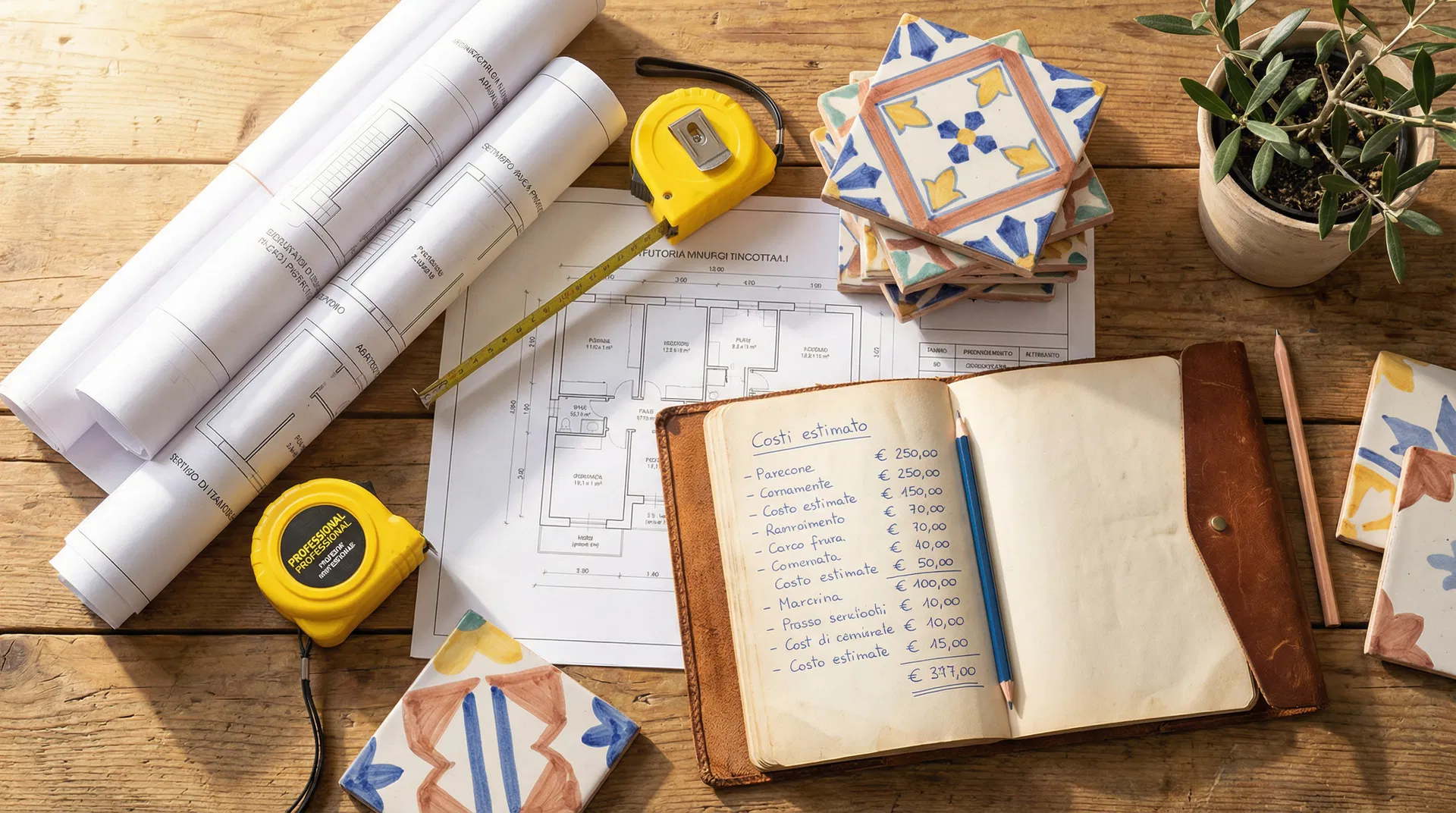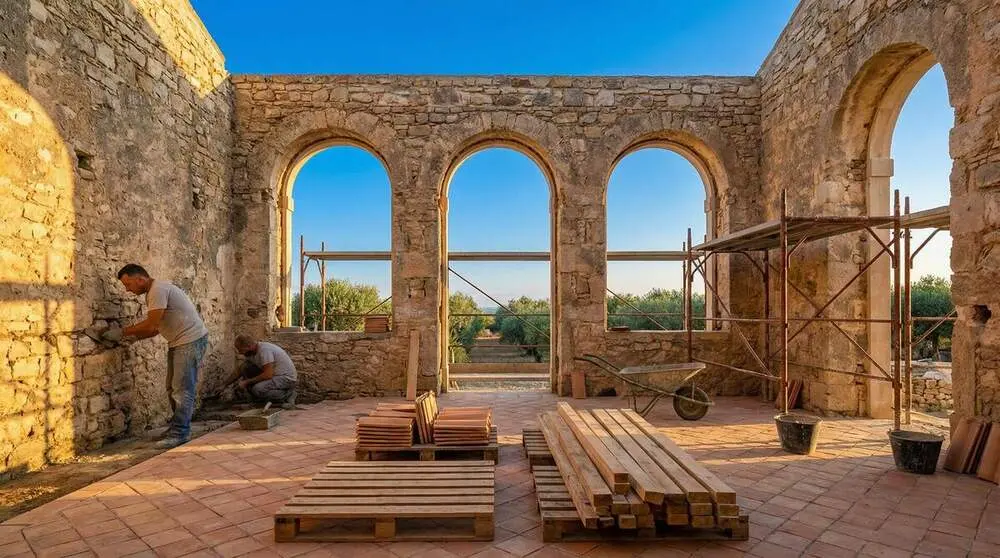
A bathroom renovation in Sicily is more than just a home improvement project; it is an opportunity to blend modern comfort with the island’s timeless charm. Whether you are updating a city apartment in Palermo or restoring a rustic villa in the countryside, understanding the associated costs and processes is crucial. This guide provides a comprehensive overview of the bathroom renovation costs in Sicily, covering everything from initial planning and material selection to labour charges and legal requirements. We will explore how to create a realistic budget, where to find reliable professionals, and how you can infuse your space with authentic Sicilian character. For anyone considering this type of project, from foreign buyers to local homeowners, having a clear financial roadmap is the first step towards success. Proper planning will not only help you manage expenses but also ensure your finished bathroom is a beautiful and functional space that adds significant value to your property.
Understanding Bathroom Renovation Costs in Sicily
Embarking on a bathroom renovation in Sicily requires a clear understanding of the potential expenses involved. The total cost can vary significantly based on the scope of the project, the quality of materials, and the professionals you hire. On average, a complete bathroom renovation in Sicily can range from €3,000 to €8,000 for a standard-sized space (around 5-6 square metres). This estimate typically includes demolition, plumbing and electrical work, tiling, installation of new fixtures, and finishing touches. For a more basic refresh, which might involve replacing fixtures and repainting without altering the layout or plumbing, costs could be as low as €1,500 to €2,500. Conversely, a luxury renovation featuring high-end materials like designer tiles, bespoke cabinetry, and advanced smart-home features could easily exceed €10,000.
Several key variables contribute to this wide cost range. The size of the bathroom is a primary factor; larger spaces require more materials and labour, driving up the price. The extent of the renovation also plays a major role. A simple cosmetic update is far more affordable than a full gut-renovation that involves moving walls, re-routing plumbing, or updating the electrical system. The location within Sicily can also influence costs, with labour and material prices often being higher in popular urban centres like Taormina or Catania compared to more rural areas. Furthermore, if you are renovating a historic property, you may encounter additional expenses related to preservation requirements and specialised labour, a topic we explore further in our guide to renovating historic properties in Sicily.
It is also important to budget for unforeseen issues. Older Sicilian properties can hide surprises like outdated plumbing, hidden structural problems, or dampness that must be addressed before new work can begin. A prudent approach is to set aside a contingency fund of 10-15% of your total budget to cover these unexpected costs. This financial cushion ensures that your project can proceed without delays or compromises on quality should any complications arise. By carefully considering these factors and planning for contingencies, you can develop a realistic budget that aligns with your vision and financial resources, ensuring a smooth and successful renovation journey.
Key Factors Influencing Your Renovation Budget
The final cost of your Sicilian bathroom renovation will be shaped by a combination of factors, each carrying its own financial weight. Understanding these elements is essential for creating an accurate budget and making informed decisions throughout the project. The most significant cost drivers are typically the quality of materials, the complexity of labour, and the size of the room. High-end finishes, such as hand-painted Caltagirone ceramic tiles or natural stone countertops, will invariably cost more than standard porcelain or laminate options. Similarly, custom-made vanity units or bespoke shower enclosures will be more expensive than off-the-shelf products.
Labour costs are another critical component of the budget. The scope of work will determine the type and number of tradespeople required. A full renovation will necessitate a team that includes a plumber, an electrician, a tiler, a plasterer, and a painter. If structural changes are planned, you will also need a builder and potentially an architect or a surveyor (geometra). Labour rates can vary across Sicily, but it is always advisable to hire skilled, reputable professionals. While it may be tempting to opt for cheaper labour, poor workmanship can lead to costly repairs in the future. For more insights on this, our article on finding reliable builders in Sicily offers practical advice.
The extent of plumbing and electrical work is a further consideration. Simply replacing a toilet or a sink is relatively straightforward and inexpensive. However, if you plan to change the bathroom’s layout, such as moving the shower to a different wall or adding a bidet, the plumbing will need to be re-routed. This is a more complex and costly job that requires breaking into walls and floors. Likewise, adding new electrical points for lighting, heated towel rails, or shaver sockets will increase the overall expense. It is crucial to discuss these changes with your contractor at the outset to get an accurate cost estimate and ensure all work complies with Italian building regulations.
Detailed Cost Breakdown for a Standard Bathroom Renovation
To provide a clearer picture of the expenses involved, it is helpful to break down the costs for a standard bathroom renovation in Sicily. The following table outlines the estimated costs for a typical 5-square-metre bathroom, assuming a mid-range quality of materials and professional installation. These figures are indicative and can fluctuate based on your specific choices and location. For a more detailed estimate tailored to your project, it is always best to obtain multiple quotes from local contractors. Understanding the overall renovation costs in Sicily can provide a broader context for your budgeting.
| Item / Service | Estimated Cost (EUR) | Description |
|---|---|---|
| Demolition and Debris Removal | €300 - €600 | Removal of old tiles, fixtures, and non-structural walls. Includes disposal fees. |
| Plumbing Works | €800 - €1,500 | Installation of new pipes for hot/cold water and waste. Price per point can be €150-€250. |
| Electrical Works | €400 - €800 | New wiring for lighting, sockets, and extractor fan. Includes certification. |
| Plastering and Wall Preparation | €500 - €900 | Making good the walls and ceiling after plumbing/electrical work. |
| Waterproofing | €250 - €400 | Application of a waterproof membrane in the shower area and on the floor. |
| Tiling (Floor and Walls) | €1,000 - €2,500 | Includes cost of mid-range tiles (€25-€50/sq.m.) and labour. |
| Sanitary Ware (Toilet & Bidet) | €300 - €700 | Standard quality wall-hung or floor-mounted toilet and bidet. |
| Shower or Bathtub | €600 - €1,200 | Walk-in shower with glass screen or a standard bathtub. |
| Vanity Unit and Sink | €400 - €900 | Pre-fabricated vanity unit with integrated or countertop sink. |
| Taps and Mixers | €200 - €500 | Good quality chrome-plated brassware for sink and shower. |
| Painting and Finishing | €250 - €500 | Painting the ceiling and any non-tiled walls with mould-resistant paint. |
| Labour and Project Management | 15-20% of total | Often included in the contractor's overall quote. |
| Total Estimated Cost | €4,500 - €9,600 | Excludes VAT (IVA) at 10% or 22% depending on the work. |
This breakdown highlights that labour and materials for tiling, plumbing, and key fixtures constitute the bulk of the budget. When planning your renovation, consider which elements are most important to you. For instance, you might choose to invest in high-quality, durable tiles while opting for more budget-friendly sanitary ware. Foreign buyers should also familiarise themselves with the process of purchasing property and managing renovations from abroad; our foreign buyer's guide to renovating in Sicily is a valuable resource.
Material Choices: Blending Sicilian Tradition with Modern Functionality
Selecting the right materials is one of the most exciting parts of a bathroom renovation. In Sicily, you have the unique opportunity to incorporate traditional, locally sourced materials that celebrate the island's rich artistic heritage. From vibrant, hand-painted ceramics to earthy terracotta, these materials can infuse your bathroom with a distinct sense of place. At the same time, modern manufacturing techniques offer durable and low-maintenance options that are perfect for contemporary lifestyles. The key is to find a balance that respects tradition while meeting your practical needs.
Caltagirone ceramics are perhaps the most iconic Sicilian material. These hand-painted tiles, known for their intricate patterns and bold colours, can be used to create a stunning feature wall, a decorative border, or even a fully tiled floor. While they are more expensive than mass-produced tiles, their unique beauty and craftsmanship can elevate a simple bathroom into a work of art. For a more rustic look, consider terracotta tiles. Their warm, earthy tones are quintessentially Mediterranean and pair beautifully with natural stone and wood. You can also find exquisite natural stone quarried in Sicily, such as the golden-hued stone from Noto or the dark volcanic stone from the slopes of Mount Etna, perfect for creating a luxurious and organic feel.
When it comes to balancing aesthetics, durability, and cost, porcelain stoneware is an excellent all-round choice. It is available in a vast array of finishes, including convincing reproductions of wood, stone, and concrete, allowing you to achieve a high-end look for a fraction of the price. Porcelain is also extremely durable, resistant to stains and scratches, and very easy to clean, making it a practical option for a high-traffic area like a bathroom. The table below compares the approximate costs of different tiling materials.
| Tile Material | Average Cost per sq.m. (EUR) | Key Features |
|---|---|---|
| Standard Ceramic | €15 - €35 | Affordable, wide variety of colours and styles, suitable for walls. |
| Porcelain Stoneware | €25 - €60 | Highly durable, low maintenance, versatile looks (wood, stone, etc.). |
| Terracotta | €40 - €80 | Warm, rustic aesthetic, requires sealing, develops a natural patina. |
| Hand-painted Maiolica (e.g., Caltagirone) | €100 - €300+ | Unique, artistic, traditional Sicilian style, often used for accents. |
| Natural Stone (e.g., Marble, Travertine) | €80 - €250+ | Luxurious, timeless appeal, requires regular maintenance and sealing. |
Beyond tiles, consider the materials for your fixtures and fittings. Brass and copper taps can add a touch of vintage elegance, while matte black or brushed nickel finishes offer a more contemporary feel. For vanity units, solid wood provides warmth and character, but engineered wood or laminate can be more practical and budget-friendly alternatives in a humid environment. Ultimately, your material choices should reflect your personal style, your budget, and the overall design vision for your Sicilian home. For those undertaking a complete home makeover, our guide to turnkey renovations in Sicily provides a holistic view of the process.
Popular Bathroom Design Styles in Sicily
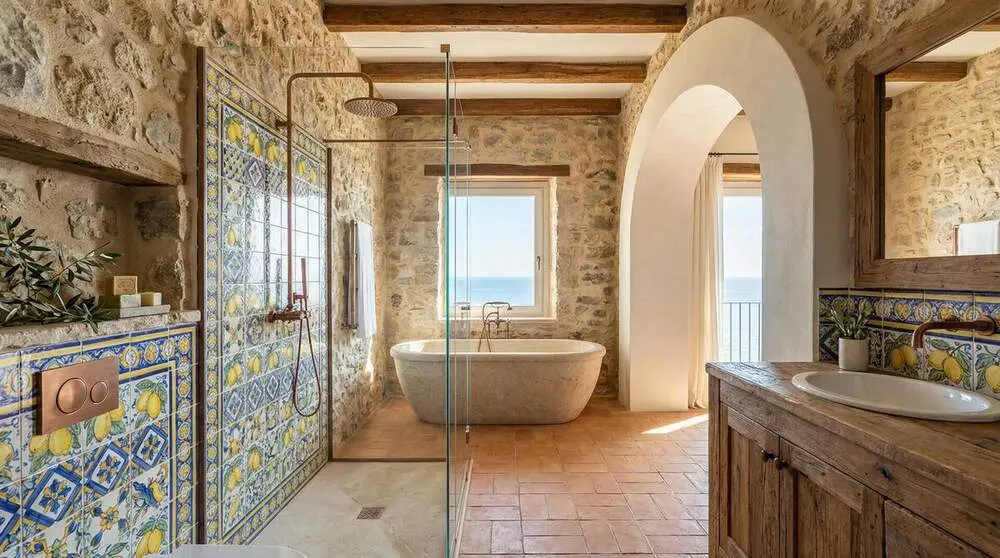
Sicilian bathroom design is a captivating fusion of historical influences and contemporary trends. The island's rich cultural tapestry, shaped by centuries of Greek, Roman, Arab, and Norman rule, provides a deep well of inspiration. Whether you prefer a rustic, traditional aesthetic or a sleek, modern look, there is a style to suit every taste. A popular choice is the Traditional Sicilian style, which celebrates craftsmanship and natural materials. This design often features hand-painted maiolica tiles from Caltagirone or Santo Stefano di Camastra, creating vibrant, colourful backdrops. These are often paired with terracotta floor tiles, exposed wooden beams, and wrought-iron accessories. A freestanding, claw-foot bathtub can serve as a magnificent centrepiece, while a vanity unit crafted from dark, solid wood adds a sense of history and permanence.
The Modern Mediterranean style offers a fresh and airy alternative. This approach combines the clean lines of contemporary design with the warmth and texture of natural materials. Think large-format, neutral-coloured tiles on the floors and walls, creating a seamless and spacious feel. A walk-in shower with a frameless glass screen enhances the sense of openness, while a floating vanity unit adds to the minimalist aesthetic. Accents of wood, stone, and woven textiles introduce texture and prevent the space from feeling cold. This style is all about creating a serene, light-filled sanctuary that connects with the surrounding landscape, making it a perfect fit for a coastal villa or a modern city apartment in a place like Palermo.
For those who favour a more minimalist and understated look, the Contemporary style is an excellent option. This design prioritises functionality and simplicity, with a focus on high-quality materials and flawless execution. The colour palette is typically monochromatic, with shades of grey, white, and black dominating the space. Fixtures are sleek and geometric, often with a matte or brushed finish. Integrated storage solutions keep the space clutter-free, while smart technology, such as underfloor heating or demisting mirrors, adds a layer of modern luxury. While this style may seem less overtly 'Sicilian', it can be beautifully integrated into the local context by incorporating a single, carefully chosen element of local craftsmanship, such as a bespoke stone sink or a small panel of decorative tiles. This creates a sophisticated dialogue between the old and the new, a hallmark of the best interior design in Sicily.
Navigating Permits and Regulations
When undertaking a bathroom renovation in Sicily, it is essential to understand the local building regulations to ensure your project is fully compliant. The type of permit required depends on the extent of the work. For simple cosmetic updates, known as ‘manutenzione ordinaria’ (ordinary maintenance), such as repainting or replacing fixtures in the same position, you generally do not need to file any paperwork. This makes straightforward upgrades quick and hassle-free. However, the moment you decide to alter the layout, move walls, or modify the plumbing or electrical systems, the project falls under the category of ‘manutenzione straordinaria’ (extraordinary maintenance).
For extraordinary maintenance, you will almost certainly need to submit a CILA (Comunicazione di Inizio Lavori Asseverata) to the local council (comune). The CILA is a formal notification, certified by a qualified professional such as an architect, engineer, or geometra, stating that the planned works comply with all building and safety regulations. The professional takes responsibility for the project's compliance. The cost for a geometra to prepare and file a CILA typically ranges from €500 to €1,200, depending on the complexity of the project and the location. It is a crucial step that should not be overlooked, as proceeding without the necessary authorisation can result in heavy fines and legal complications. Our detailed article on Italian building permits like SCIA and CILA provides more in-depth information on this topic.
In addition to the CILA, it is important to ensure that all new systems, particularly plumbing and electrical, are installed by certified professionals who can provide a ‘Dichiarazione di Conformità’ (Declaration of Conformity) upon completion. This document certifies that the installation meets all legal standards and is essential for the property’s official records, especially when it comes to selling the property in the future. If your property is located in a historic centre (centro storico) or is a listed building, you may face additional restrictions and require a more complex permit, such as a SCIA (Segnalazione Certificata di Inizio Attività) or even a ‘Permesso di Costruire’. These situations often require approval from the local heritage authority (Soprintendenza) and involve a more rigorous and lengthy approval process. Always consult with a local professional at the very beginning of your planning phase to navigate this regulatory landscape effectively.
Frequently Asked Questions (FAQ)
How long does a typical bathroom renovation take in Sicily?
A standard, full bathroom renovation in Sicily typically takes between 10 to 15 working days. This timeline can be broken down as follows: 1-2 days for demolition and removal of old materials, 2-3 days for plumbing and electrical rough-ins, 2-3 days for plastering and wall preparation, 3-4 days for tiling, and 2-3 days for installation of fixtures, painting, and final touches. However, this schedule can be extended if custom materials are ordered, or if unforeseen issues like damp or structural problems are discovered.
Can I manage a bathroom renovation in Sicily from abroad?
Yes, it is entirely possible to manage a renovation from overseas, but it requires excellent planning and a reliable team on the ground. Hiring a dedicated project manager or a reputable turnkey renovation company is highly recommended. They will act as your representative, overseeing the work, managing contractors, and providing you with regular updates. Clear communication, detailed contracts, and a pre-agreed schedule of payments are essential for a successful long-distance project.
What are the main differences between a geometra, an architect, and an engineer?
In Italy, these three professions have distinct but sometimes overlapping roles. A geometra is a versatile building surveyor who is often the go-to professional for residential renovations, managing permits like the CILA, and overseeing construction. An architect (architetto) focuses more on the design, aesthetics, and spatial planning of a project. An engineer (ingegnere) is a specialist in structural calculations and systems, and their involvement is crucial for projects involving structural alterations, seismic retrofitting, or complex new builds.
Are there any tax deductions or bonuses for bathroom renovations in Sicily?
Yes, the Italian government frequently offers tax incentives for property renovations. The ‘Bonus Ristrutturazione’ allows homeowners to claim a tax deduction (typically 50%) on renovation expenses up to a certain limit, spread over 10 years. While a standard bathroom renovation (manutenzione ordinaria) is not usually eligible on its own, it becomes eligible if it is part of a larger ‘manutenzione straordinaria’ project. Rules change frequently, so it is vital to consult with an Italian tax advisor (commercialista) or your geometra to check the latest regulations and ensure your project qualifies.
What is the best way to find reliable builders and tradespeople in Sicily?
Word-of-mouth recommendations are often the most reliable method. Ask local contacts, estate agents, or your architect for referrals. You can also use online platforms like Edilnet or Instapro to request quotes from vetted professionals in your area. Always ask to see a portfolio of their previous work and speak to their past clients. It is also wise to get at least three detailed, written quotes to compare prices and the scope of work offered before making a final decision.
How can I incorporate authentic Sicilian style without it looking dated?
The key is to be selective and aim for a balance. Instead of tiling the entire bathroom with busy patterns, use hand-painted maiolica tiles as a feature behind the sink or in a shower niche. Pair these traditional elements with modern, clean-lined fixtures and a neutral colour palette. You could also use a traditional material in a contemporary way, such as large-format terracotta tiles on the floor or a sleek vanity top made from local volcanic stone. This approach honours the island's heritage while creating a fresh, timeless, and sophisticated space.
What are the most common mistakes to avoid?
The most common pitfalls include underestimating the budget, not setting aside a contingency fund, and hiring unqualified labour to save money. Another frequent error is failing to obtain the correct permits before starting work, which can lead to legal issues and fines. Finally, many people underestimate the time it can take to get materials delivered, especially custom or imported items, leading to project delays. Careful planning and working with experienced professionals are the best ways to avoid these common mistakes.
A well-executed bathroom renovation can significantly enhance your quality of life and the value of your Sicilian property. By carefully planning your budget, choosing the right materials, and working with a team of skilled professionals, you can create a beautiful and functional space that you will enjoy for years to come. Whether you are dreaming of a luxurious spa-like retreat or a charmingly traditional bathroom, the possibilities in Sicily are endless. If you are ready to take the next step and discuss your project with experts, do not hesitate to get in touch with us for a personalised consultation and quote.
Ready to Start Your Project?
Contact Terra Nostra Costruzioni for a free consultation. We provide bilingual project management for renovation projects across Sicily.
Ask AI About This Topic
Get instant AI-powered answers about Cost Guides
These links open external AI platforms with a pre-filled question about this topic.