The Soul of Sicilian Interiors: Embracing Timeless Traditional Elements
Sicily, an island steeped in history and culture, boasts an interior design tradition as rich and vibrant as its landscape. To truly capture the essence of a Sicilian home, one must look to the materials and craftsmanship that have defined its architecture for centuries. These elements are not merely decorative; they are the very soul of the island’s homes, telling stories of the land, the sea, and the generations of artisans who have shaped them. By understanding and incorporating these traditional features, you can create a space that is both authentically Sicilian and deeply personal.
At the heart of this tradition is a profound respect for natural, locally sourced materials. From the fiery terracotta tiles underfoot to the intricately painted ceramics that adorn walls and kitchens, every element is chosen for its beauty, durability, and connection to the island itself. This is a design philosophy that values authenticity over fleeting trends, creating homes that are built to last and to be cherished. Whether you are undertaking a full villa renovation or simply wishing to infuse your space with a touch of island magic, these traditional elements are your starting point.
The Enduring Charm of Maiolica Tiles
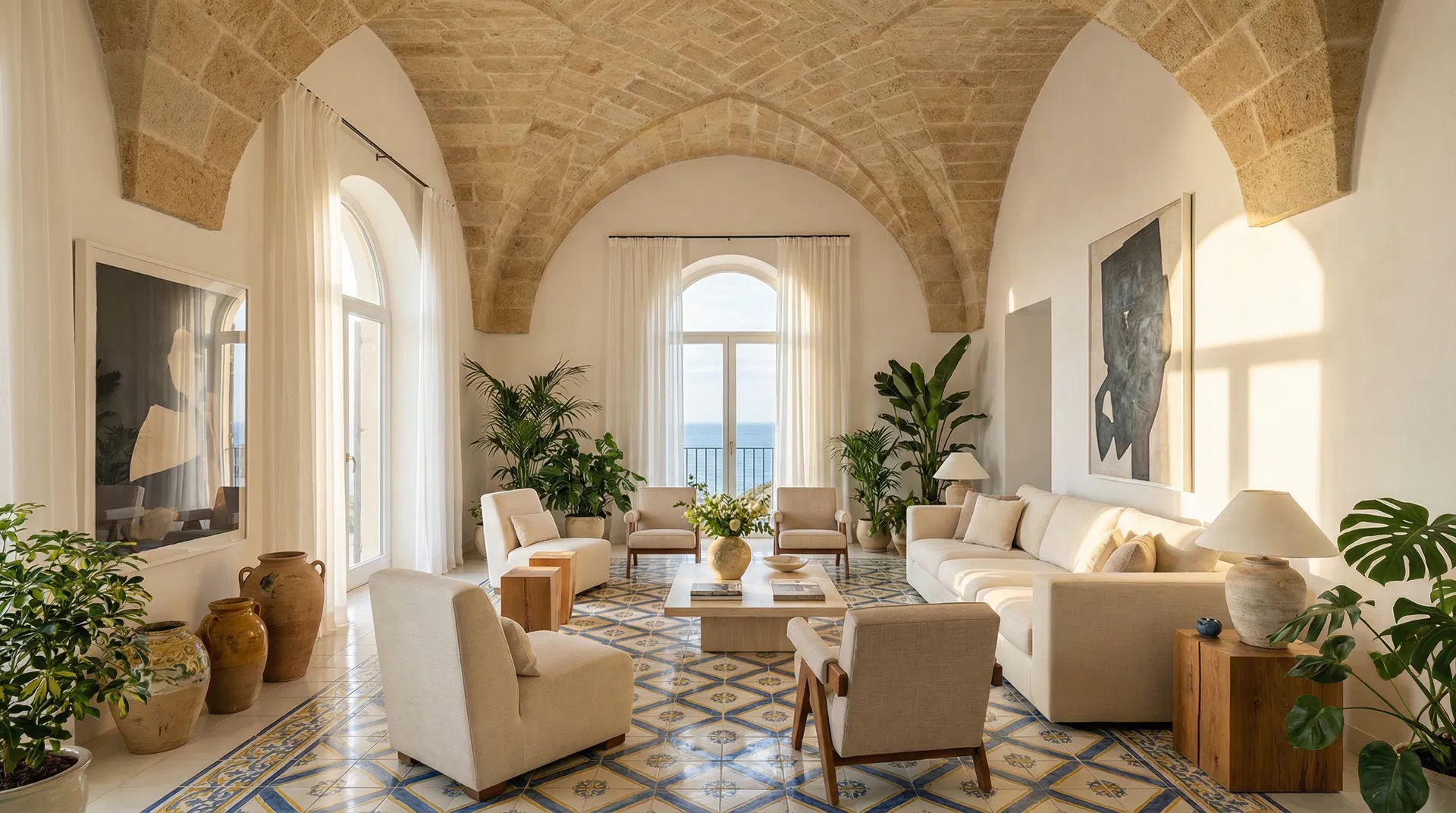
Perhaps no single element is more synonymous with Sicilian design than maiolica tiles. These tin-glazed earthenware ceramics, with their brilliant colours and intricate, hand-painted patterns, are a hallmark of the island's decorative arts. Originating from the Moorish and Spanish influences on the island, maiolica has evolved over centuries into a distinctly Sicilian art form. Each tile is a small masterpiece, depicting everything from geometric patterns and floral motifs to narrative scenes from local folklore.
In modern interior design, maiolica offers a powerful way to introduce colour, pattern, and a sense of history into a space. They are not just for floors or kitchen backsplashes; consider using them to create a stunning feature wall in a living room, to frame a doorway, or to bring life to a bathroom. A key aspect of using maiolica effectively is balance. In a contemporary setting, a carefully chosen pattern can serve as a focal point, complemented by more neutral surfaces. For those interested in the history and application of these beautiful tiles, our guide to maiolica tiles offers a deeper dive.
The Warmth of Terracotta and Natural Stone
Terracotta, meaning "baked earth," is another fundamental material in Sicilian architecture. Its warm, reddish-brown tones evoke the sun-baked landscape of the island and provide a rustic, grounding element to any interior. Traditionally used for flooring and roofing, terracotta tiles are incredibly durable and develop a beautiful patina over time. In a modern context, they can be used to create a seamless flow between indoor and outdoor spaces, enhancing the Mediterranean lifestyle.
Alongside terracotta, Sicily’s diverse geology provides a wealth of natural stone, from the dark, dramatic volcanic rock of Etna to the pale, honey-coloured limestone of Noto and Ragusa. These stones are often used for flooring, wall cladding, and structural elements like arches and columns. A stone feature wall can add texture and a sense of permanence to a room, while stone flooring provides a cool surface underfoot during the hot summer months. When planning a kitchen renovation in Sicily, consider a countertop made from local stone for a truly authentic touch.
Rustic Woods and Wrought Iron
Wood plays a crucial, albeit more understated, role in traditional Sicilian interiors. Dark, heavy ceiling beams are a common feature, providing a rustic contrast to whitewashed walls. Furniture is often crafted from local woods like chestnut or walnut, prized for their durability and rich grain. These pieces are typically solid and unpretentious, their beauty lying in their craftsmanship and the natural quality of the material.
Wrought iron is another essential craft, used for everything from elaborate balcony railings and window grilles to lighting fixtures and furniture. The skill of Sicilian blacksmiths is legendary, and a piece of hand-forged ironwork can add a touch of rustic elegance to any home. Consider a wrought-iron chandelier as a statement piece in a dining room or a simple iron bed frame for a touch of romantic charm.
Modern Mediterranean Fusion: A New Sicilian Aesthetic
The beauty of Sicilian design in the 21st century lies in its ability to evolve. While tradition provides a strong foundation, contemporary designers and homeowners are increasingly blending these classic elements with modern aesthetics to create spaces that are fresh, functional, and perfectly suited to a modern lifestyle. This fusion is not about discarding the past but reinterpreting it, creating a dialogue between old and new.
This new Sicilian aesthetic is characterised by a sense of lightness and simplicity. It strips away the unnecessary, focusing on clean lines, open spaces, and an abundance of natural light. The goal is to create an environment that is both calming and invigorating, a sanctuary from the outside world that is nonetheless deeply connected to its surroundings. It’s a style that feels both timeless and completely of the moment, making it the perfect approach for a turnkey renovation project in Sicily.
Minimalism Meets Mediterranean
The core principle of this modern fusion is "less is more." It involves taking the rich palette of traditional materials—terracotta, stone, wood—and using them in a more restrained, curated way. Imagine a living room with polished concrete floors, whitewashed walls, and a single, stunning feature wall of ancient stone. The contrast between the smooth, modern surfaces and the rough, historic texture creates a powerful visual statement.
Furniture is chosen for its simple, elegant forms. Low-slung sofas in neutral fabrics, sleek, minimalist kitchens, and uncluttered surfaces are key. The "decoration" comes from the inherent beauty of the materials themselves and a few carefully chosen objects: a piece of contemporary art, a collection of ceramic vessels, or a dramatic piece of driftwood. This approach allows the architectural features of the home and the stunning Sicilian landscape outside to take centre stage.
Open Spaces and Natural Light
Central to the modern Mediterranean aesthetic is the concept of open-plan living. Walls are removed to create large, airy spaces that combine living, dining, and kitchen areas. This not only enhances the sense of space but also allows natural light to flood the interior, a key element in a climate as blessed with sunshine as Sicily’s. Large windows, glass doors, and skylights are used to blur the boundaries between inside and out, creating a constant connection to the surrounding environment.
This emphasis on light and space has a profound effect on well-being. It creates a home that feels expansive and liberating, a space that encourages social interaction and a relaxed, informal way of life. When renovating, consider how you can open up your floor plan to maximise both light and flow. This is a key consideration in our approach to bathroom renovations, where creating a sense of light and space is paramount.
Crafting the Perfect Sicilian Colour Palette
The colours of Sicily are a feast for the senses, and the right palette can transform a house into a home that feels deeply connected to its environment. The key is to draw inspiration directly from the landscape, from the azure blues of the Mediterranean Sea to the sun-drenched golds of the wheat fields and the dramatic greys of Mount Etna. A successful Sicilian colour scheme is one that is both evocative and harmonious, creating a backdrop that is at once stimulating and serene.
Hues of the Sea and Sky
Shades of blue and white are the quintessential colours of the Mediterranean. Crisp white walls act as a canvas, reflecting the brilliant Sicilian sunlight and creating a sense of airiness and space. This is not a cold, clinical white, but a softer, chalkier shade that feels organic and inviting. Accents of blue, ranging from the palest sky blue to a deep, vibrant cobalt, can be introduced through textiles, ceramics, and artwork. These colours evoke the clarity of the sea and sky, bringing a sense of freshness and tranquillity indoors.
Earthy Tones and Volcanic Accents
To balance the coolness of the blues and whites, a Sicilian palette must incorporate the warm, earthy tones of the land. Terracotta, ochre, sienna, and soft beige create a sense of warmth and grounding. These colours can be used on floors, in textiles, or as an accent wall to add depth and richness. For those living in the shadow of Mount Etna, the dramatic landscape offers a different kind of inspiration. The dark greys and blacks of volcanic stone can be used to create a sophisticated, contemporary look, especially when paired with natural woods and crisp whites.
| Palette Theme | Primary Colours | Accent Colours | Best For... |
|---|---|---|---|
| Coastal Retreat | White, Soft Grey, Light Wood | Cobalt Blue, Turquoise, Sea Green | Creating a light, airy, and serene atmosphere. |
| Rustic Farmhouse | Terracotta, Cream, Dark Wood | Olive Green, Ochre, Burnt Orange | A warm, traditional, and welcoming feel. |
| Volcanic Modern | Charcoal Grey, Black, Polished Concrete | White, Natural Linen, Brass/Copper | A dramatic, sophisticated, contemporary space. |
| Baroque Elegance | Soft Gold, Ivory, Muted Pastels | Deep Red, Emerald Green, Royal Blue | A luxurious and historic-inspired interior. |
Sourcing Furniture and Decor in Sicily
Furnishing a home in Sicily is an adventure in itself. The island is a treasure trove of unique finds, from antique markets and artisan workshops to contemporary design showrooms. The key to a truly special interior is to mix and match, creating a layered, personal look that tells a story. It’s about finding pieces that resonate with you, whether it’s a centuries-old chest or a sleek, modern sofa.
Championing Local Artisans and Craftsmanship
One of the greatest joys of designing a home in Sicily is the opportunity to work with local artisans. The island has a long and proud tradition of craftsmanship, with skills passed down through generations. Seek out the ceramicists of Caltagirone and Santo Stefano di Camastra, the blacksmiths forging intricate ironwork, and the carpenters crafting beautiful, solid wood furniture. By commissioning pieces directly from these artisans, you are not only acquiring a unique object for your home but also supporting the local economy and helping to keep these precious traditions alive. Terra Nostra Costruzioni has a network of trusted artisans we work with on our turnkey projects.
Mixing Vintage Finds with Contemporary Pieces
Sicily’s flea markets and antique shops are legendary. From the bustling Ballarò market in Palermo to smaller, local markets in towns across the island, you can find a wealth of treasures. Look for antique furniture, vintage textiles, old maps, and quirky decorative objects. These pieces add a sense of history and soul to a home. The trick is to balance these vintage finds with clean, contemporary furniture. A rustic antique table paired with modern chairs, or a sleek minimalist sofa adorned with vintage linen cushions, creates a dynamic and interesting interior that is full of character.
The Art of Lighting Design in Sicilian Homes
Lighting is one of the most important, yet often overlooked, aspects of interior design. In a place like Sicily, where the quality of natural light is so extraordinary, a thoughtful lighting plan is essential. It’s about more than just illuminating a space; it’s about creating a mood, highlighting architectural features, and ensuring the home is functional and comfortable at all times of day and night.
Maximising Natural Light
The first principle of lighting design in Sicily is to make the most of the abundant sunshine. This means designing spaces with large windows and glass doors, keeping window treatments minimal (think sheer linen curtains rather than heavy drapes), and using a light, reflective colour palette on the walls. Mirrors can also be used strategically to bounce light around a room and create a greater sense of space. The goal is to create a home that feels bright, airy, and constantly connected to the outdoors.
Creating Atmosphere with Artificial Lighting
After the sun goes down, a layered approach to artificial lighting is key. This involves combining different types of lighting to create a flexible and atmospheric scheme.
- Ambient Lighting: This provides the overall illumination for a room. In a Sicilian home, this might be a statement chandelier in a dining room or discreet recessed downlights in a living area.
- Task Lighting: This is focused light for specific activities, such as reading or cooking. Think under-cabinet lighting in the kitchen or an elegant floor lamp next to an armchair.
- Accent Lighting: This is used to highlight architectural features or specific objects, such as a piece of art or a stone wall. Wall washers and spotlights are effective for this.
By combining these three layers, you can create a lighting scheme that is both practical and beautiful, allowing you to transform the mood of a room at the flick of a switch.
Seamless Outdoor-Indoor Living
The Mediterranean climate is all about embracing the outdoors, and in Sicily, the lines between inside and out are beautifully blurred. A well-designed home should have a seamless flow between its interior spaces and its gardens, terraces, or courtyards. This not only extends your living area but also enhances your quality of life, allowing you to dine, relax, and entertain under the Sicilian sun or stars.
Designing the Perfect Sicilian Terrace or Courtyard
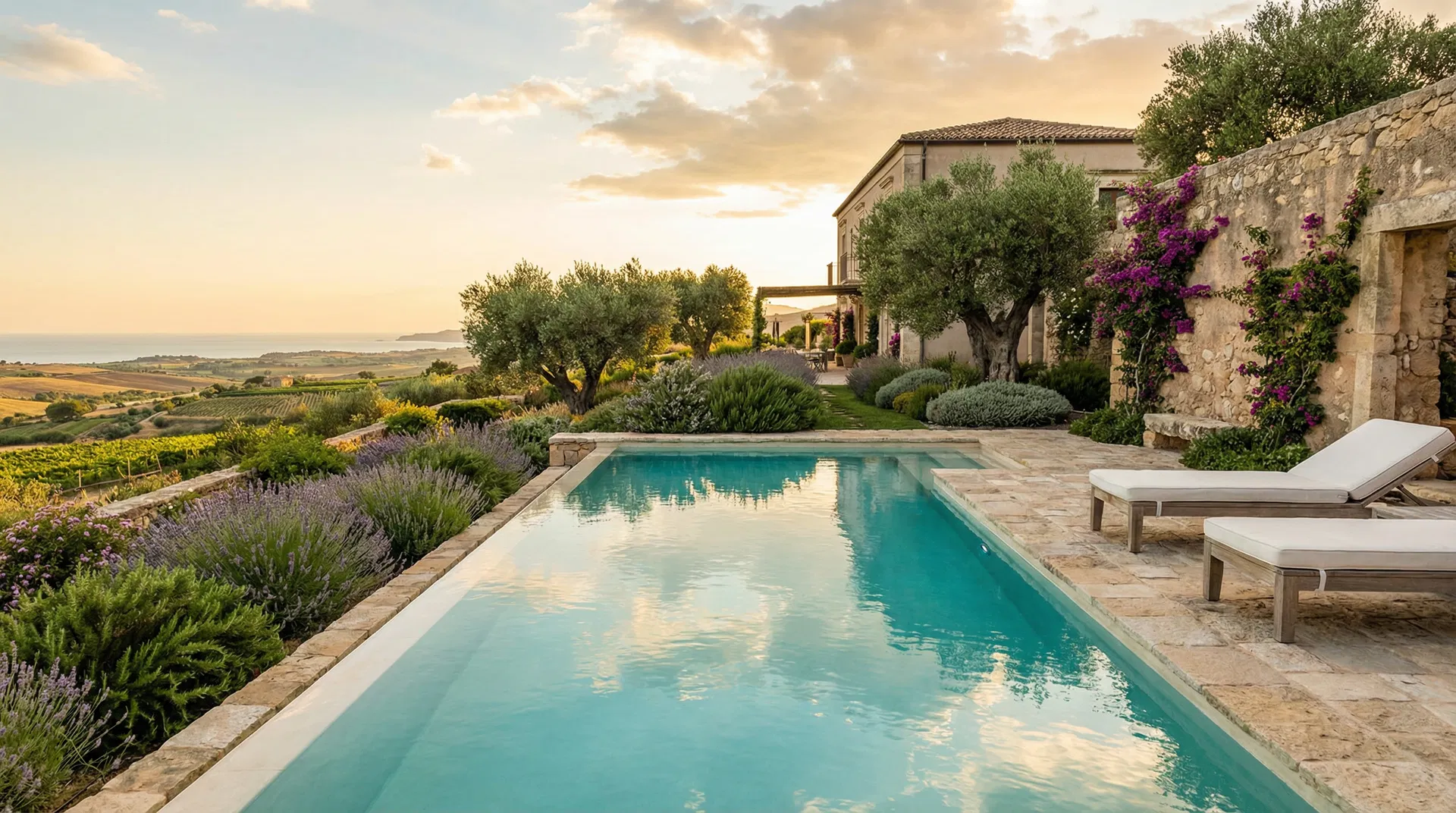
A terrace or courtyard is an essential extension of the Sicilian home. This is where life is lived: morning coffees, long lunches, and evening aperitivi. When designing this space, think of it as an outdoor room. Use comfortable, durable furniture, provide shade with a pergola or large umbrellas, and use potted plants and climbing flowers to add colour and fragrance. An outdoor kitchen or barbecue area can make entertaining a breeze, while a small water feature can provide a soothing soundtrack. Using the same flooring material, such as terracotta or natural stone, both inside and out can further enhance the sense of a single, unified space.
Biophilic Design Principles
Biophilic design is the practice of connecting people and nature within our built environments. It’s a concept that is intrinsically linked to the Sicilian way of life. This means more than just adding a few pot plants. It’s about using natural materials, maximising views of the landscape, and incorporating natural patterns and forms into your design. Studies have shown that this connection to nature can reduce stress, improve creativity, and enhance our overall sense of well-being. A home that embraces biophilic design is a home that nurtures the soul.
Trends in Sicilian Kitchen and Bathroom Design
The kitchen and bathroom are two of the most important rooms in any home, and in Sicily, they are spaces where functionality and beauty go hand in hand. Modern trends are moving towards creating spaces that are both highly practical and deeply luxurious, places where daily rituals are transformed into moments of pleasure.
The Modern Rustic Kitchen
The kitchen has always been the heart of the Sicilian home, and today’s designs celebrate this. The trend is for a "modern rustic" look that combines the warmth and character of a traditional country kitchen with the clean lines and functionality of a modern one. Think custom-built cabinetry in natural wood, countertops in local stone or polished concrete, and a large, sociable island or farmhouse table at the centre. Open shelving can be used to display beautiful ceramics and glassware, while a backsplash of colourful maiolica tiles can add a touch of traditional flair. For a detailed look at creating your dream Sicilian kitchen, explore our kitchen renovation guide.
Spa-like Sanctuaries: Bathroom Trends
The modern Sicilian bathroom is a private sanctuary, a place to relax and rejuvenate. The trend is for a spa-like atmosphere, achieved through the use of natural materials, a calming colour palette, and luxurious fixtures. Walk-in showers with rainfall showerheads, freestanding bathtubs, and wall-hung vanities that create a sense of space are all popular choices. Materials like tadelakt (a waterproof plaster), natural stone, and wood can be used to add texture and warmth. Good lighting and plenty of storage are essential for creating a space that is both beautiful and clutter-free. Our bathroom renovation cost guide provides practical advice for planning your project.
| Feature | Traditional Sicilian Kitchen | Modern Rustic Sicilian Kitchen | Modern Sicilian Bathroom (Spa) |
|---|---|---|---|
| Materials | Terracotta, Wood, Maiolica | Wood, Stone, Concrete, Steel | Stone, Tadelakt, Wood, Glass |
| Colour Palette | Warm, Earthy Tones, Bright Accents | Neutral, White, Grey, Natural Tones | Calming Neutrals, Soft Blues/Greens |
| Key Element | Large Hearth, Tiled Surfaces | Central Island, Open Shelving | Walk-in Shower, Freestanding Tub |
| Vibe | Rustic, Busy, Communal | Sociable, Functional, Stylish | Serene, Luxurious, Private |
Working with Local Artisans and Builders
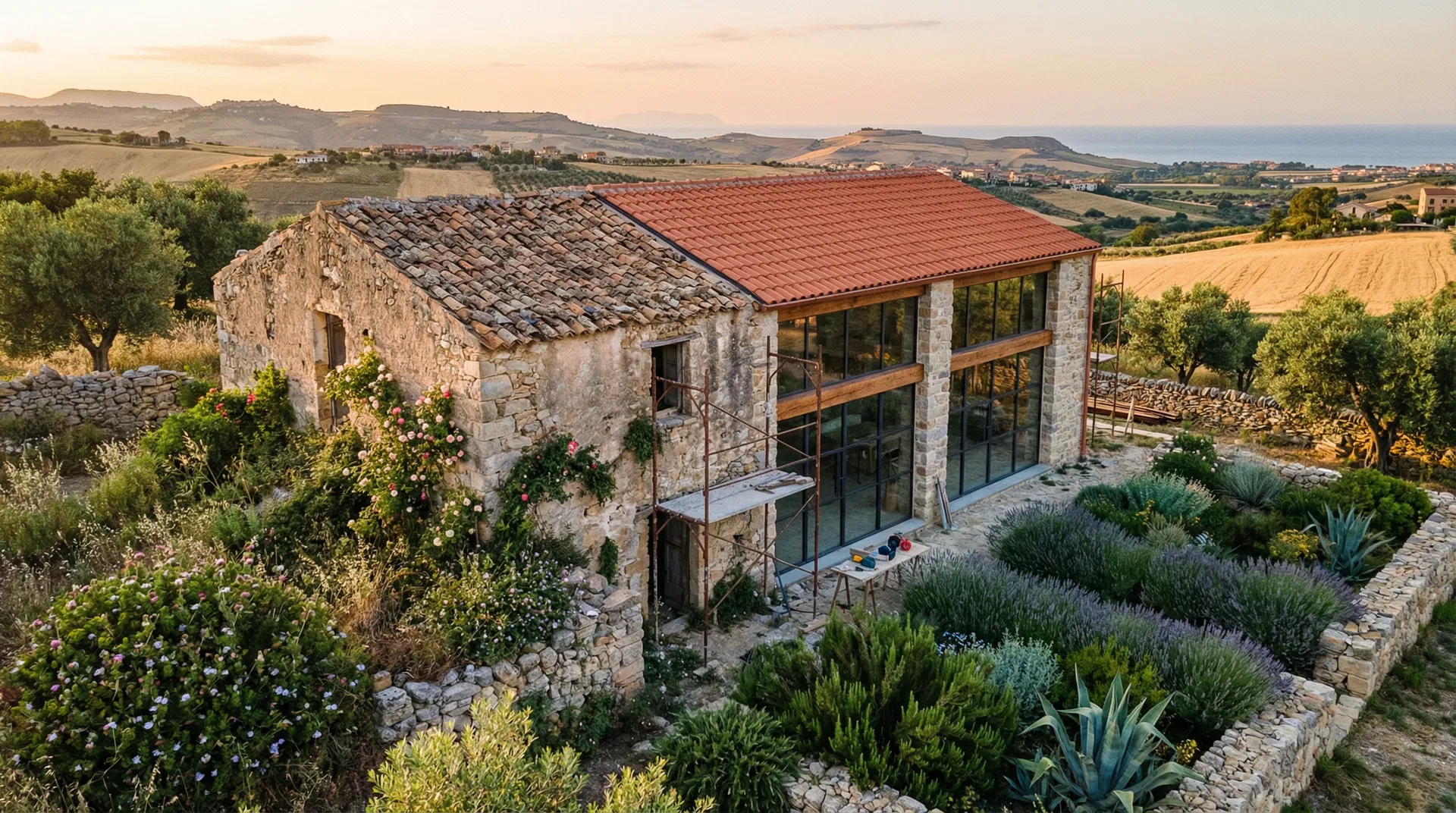
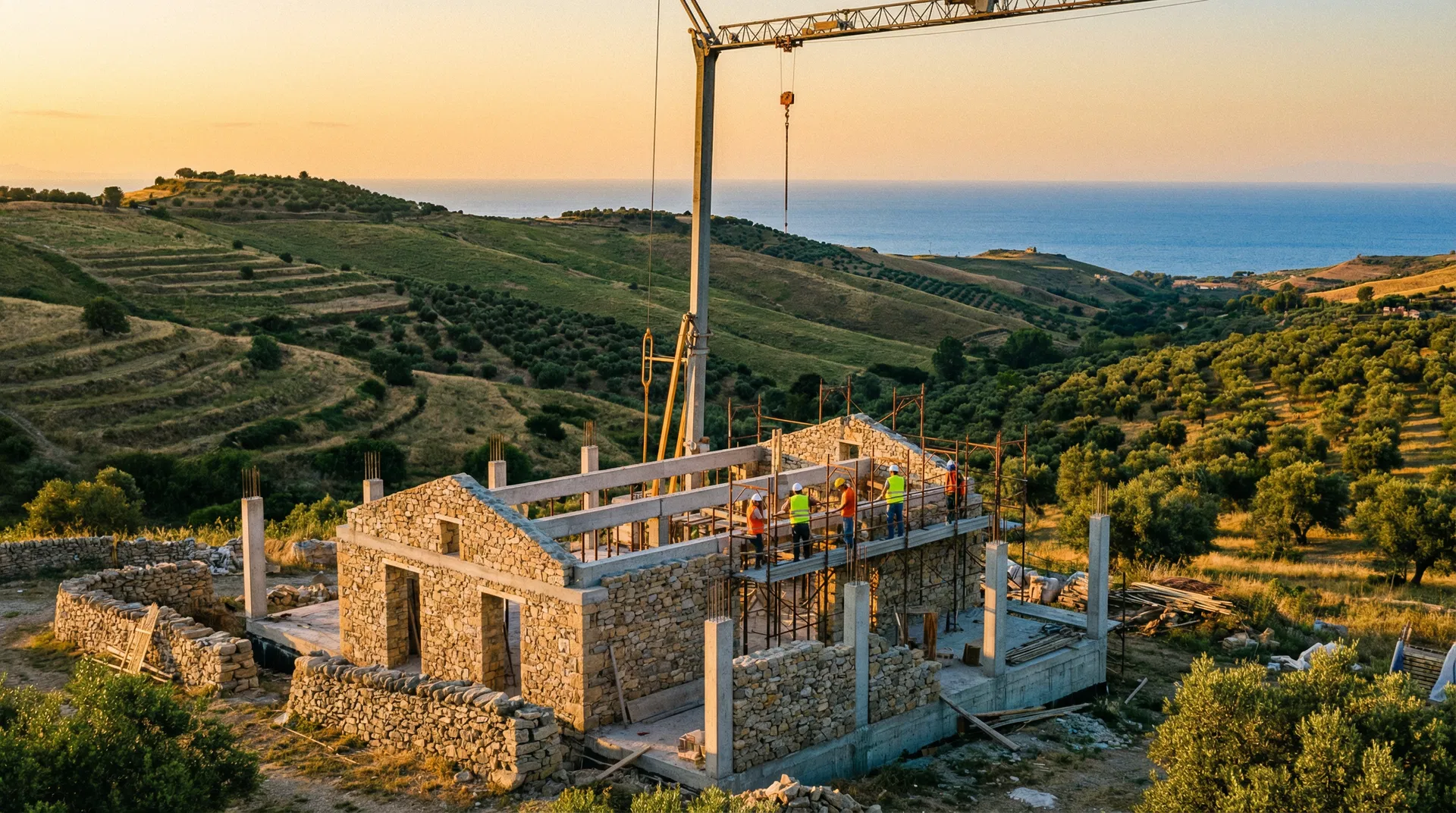
Embarking on a renovation or interior design project in Sicily can be a complex undertaking, especially for foreign buyers. The key to success lies in assembling a team of skilled, reliable local professionals who understand the nuances of building on the island. From navigating the permit process to sourcing the right materials, their expertise is invaluable. A detailed case study of a villa renovation in Taormina highlights the benefits of having a professional team.
The Value of Local Expertise
Local builders and artisans possess a deep, intuitive understanding of Sicilian materials and building techniques. They know which stone is best for a particular application, how to properly lay a terracotta floor, and how to restore a historic feature with sensitivity and respect. This knowledge is something that cannot be learned from a book; it is passed down through generations. By working with local experts, you ensure that your project is not only beautiful but also built to last, respecting the architectural heritage of the island.
Navigating the Process with Terra Nostra Costruzioni
At Terra Nostra Costruzioni, we specialise in helping clients from all over the world create their dream homes in Sicily. We offer a comprehensive, turnkey service that covers every aspect of the project, from initial design concepts to the final finishing touches. Our team includes experienced architects, project managers, and a network of the island’s finest builders and artisans. We act as your single point of contact, ensuring a smooth, transparent, and stress-free process. We understand the challenges and opportunities of renovating in Sicily, and we are passionate about bringing our clients' visions to life.
Frequently Asked Questions (FAQ)
What is the average cost to renovate a kitchen in Sicily with a Mediterranean design?
The cost can vary significantly based on size, materials, and appliances. A small, basic renovation might start around €8,000, while a large, high-end kitchen with custom cabinetry and premium materials could exceed €30,000. Our kitchen renovation guide provides a more detailed breakdown.
How can I incorporate authentic Sicilian maiolica tiles without it looking dated?
The key is balance. Use maiolica tiles as a feature element rather than covering entire surfaces. Consider a backsplash in the kitchen, a feature panel in a shower, or tiling the risers of a staircase. Pair them with modern, neutral materials like concrete or light wood to create a fresh, contemporary look.
What are the best local markets for finding unique furniture in Sicily?
Major cities like Palermo (Ballarò), Catania (Fera 'o Luni), and Siracusa (Ortigia market) have fantastic daily or weekly flea markets. For higher-end antiques, explore the shops in Taormina and the side streets of historic town centres. Don't be afraid to explore smaller towns, as you can often find hidden gems.
How long does a typical interior design project take in Sicily?
This depends on the scope of the project. A simple redecoration might take a few weeks, while a full apartment or villa renovation involving structural changes and permits can take anywhere from 6 to 18 months. It is crucial to factor in time for bureaucracy and potential delays.
Ready to bring the timeless beauty of Sicilian design into your home? Whether you are planning a complete renovation or simply seeking inspiration, the journey begins with a conversation. The team at Terra Nostra Costruzioni is here to guide you every step of the way. Contact us today to discuss your project and discover how we can help you create your perfect Sicilian retreat.
Ready to Start Your Project?
Contact Terra Nostra Costruzioni for a free consultation. We provide bilingual project management for renovation projects across Sicily.
Ask AI About This Topic
Get instant AI-powered answers about Services
These links open external AI platforms with a pre-filled question about this topic.