A kitchen renovation in Sicily is more than a construction project; it is an opportunity to blend the island's rich culinary heritage with contemporary comfort and style. The Sicilian kitchen has always been the vibrant heart of the home, a place of gathering, tradition, and incredible food. This guide provides a comprehensive overview of how to approach your renovation, whether you envision a rustic, traditional space or a sleek, modern culinary hub. We will explore layout options, material choices, cost considerations, and the essential steps to creating a kitchen that is both beautiful and functional, perfectly suited to the Sicilian way of life.
Planning Your Sicilian Kitchen Renovation
Embarking on a kitchen renovation requires careful planning to ensure the final result meets your expectations and budget. The first step is to define your vision. Are you drawn to the timeless charm of traditional Sicilian design, with its warm woods and colourful ceramics, or do you prefer the clean lines and minimalist aesthetic of a modern kitchen? Many successful renovations find a harmonious balance between the two. Consider how you use your kitchen. Is it primarily a functional space for cooking, or is it a social hub for entertaining family and friends? Your lifestyle should be a key driver in the design process. For those new to renovating in Italy, understanding the local context is crucial. Consulting with professionals who have experience in the region can provide invaluable insights. For instance, a detailed guide on finding reliable builders in Sicily can be an excellent starting point. Proper planning also involves setting a realistic budget and timeline, which we will explore in more detail later in this guide.
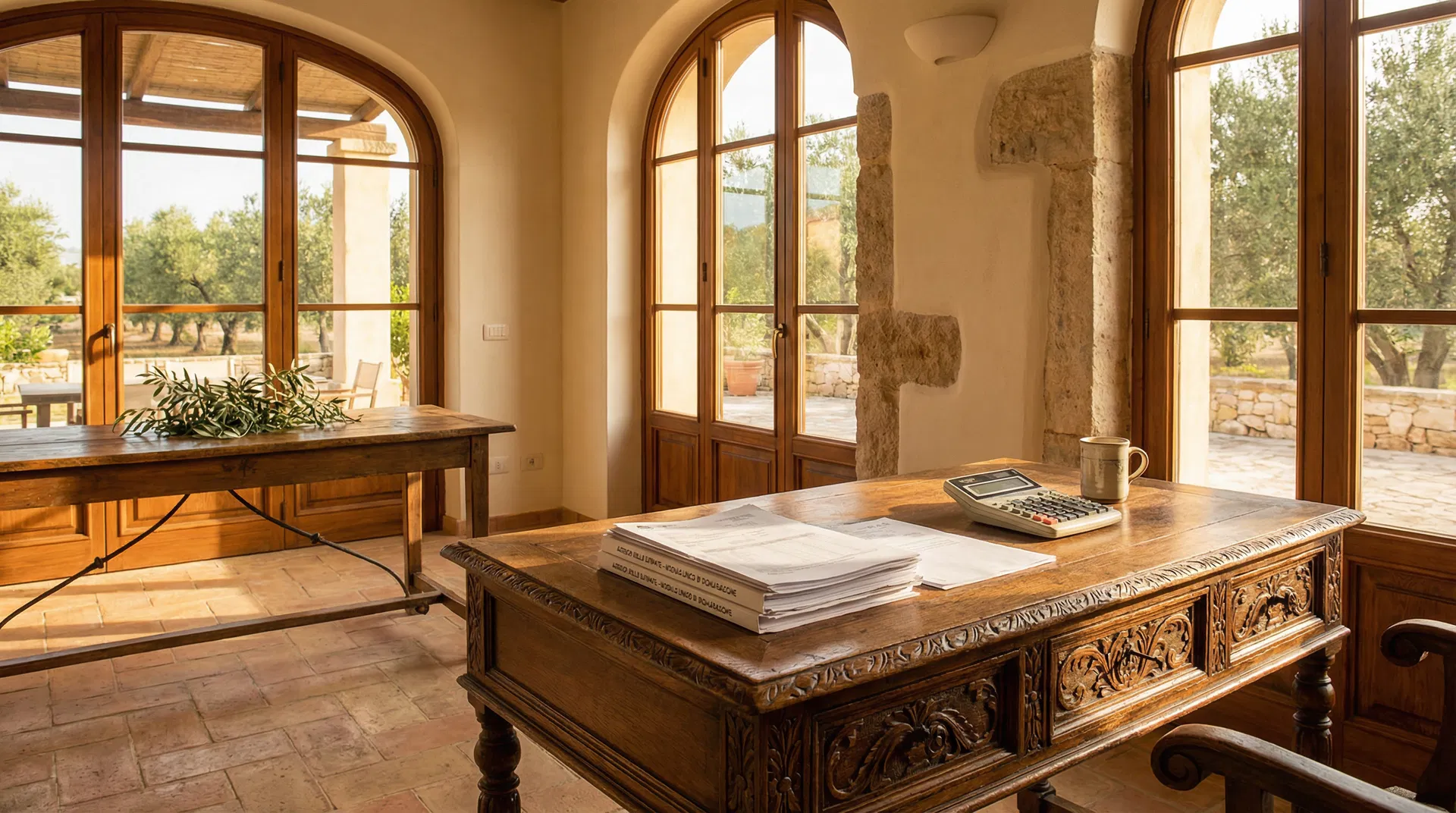
Another critical aspect of planning is understanding the necessary permits and regulations. Renovations in Italy, especially in historically significant areas of Sicily, often require specific permissions. Navigating the bureaucracy can be challenging, so it is wise to familiarise yourself with the requirements for a SCIA or CILA building permit. An architect or a qualified geometra can manage this process for you, ensuring your project complies with all local building codes. This initial planning phase is also the perfect time to gather inspiration. Look at design magazines, browse online platforms, and visit local showrooms in cities like Palermo or Catania to see firsthand the materials and styles that resonate with you. This research will not only help you refine your vision but also facilitate clearer communication with your design and construction team.
Traditional vs. Modern Design: Finding Your Style
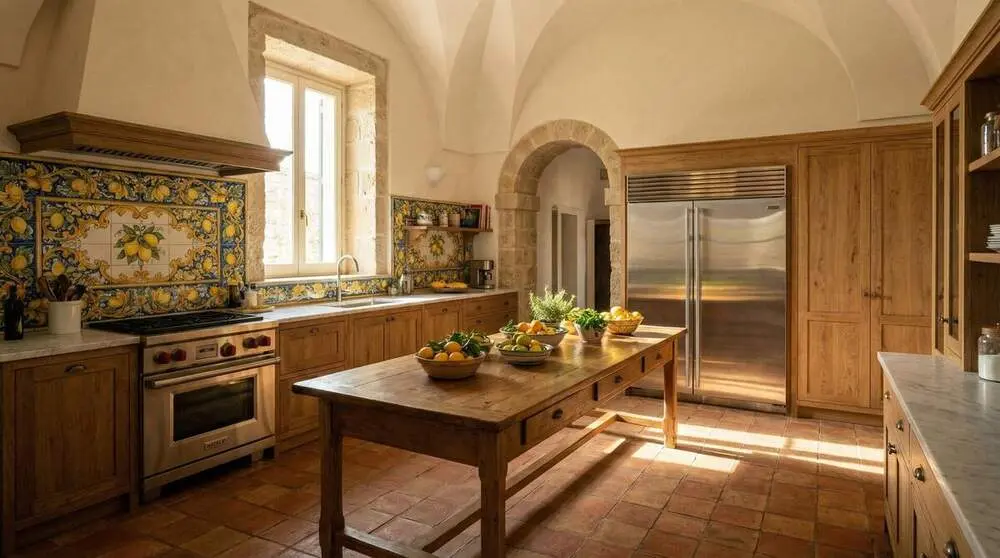
The beauty of a Sicilian kitchen lies in its ability to adapt to different styles while retaining a unique sense of place. A traditional design often features natural materials that are emblematic of the island. Think exposed wooden beams, terracotta floor tiles, and handcrafted majolica ceramics for backsplashes. These elements create a warm, inviting atmosphere that pays homage to Sicily's rustic charm. Cabinetry might be made from solid chestnut or oak, with classic detailing and hardware. A large, rustic wooden table often serves as the centrepiece, perfect for family meals and social gatherings. To complete the look, consider a stone sink and traditional brass or copper taps. These timeless features can be combined with modern appliances for a kitchen that feels both authentic and practical.
On the other hand, a modern kitchen design emphasizes clean lines, uncluttered surfaces, and a neutral colour palette. High-gloss or matte-finish cabinetry in white, grey, or black creates a sleek, sophisticated look. Countertops are often made from quartz, polished concrete, or stainless steel, offering durability and a minimalist aesthetic. Handleless cabinets and integrated appliances contribute to the seamless, uncluttered feel. Lighting plays a crucial role in modern design, with recessed spotlights, under-cabinet LED strips, and statement pendant lights used to create a bright and airy space. While the style is contemporary, you can still incorporate subtle nods to Sicilian tradition. For example, a feature wall of modern, geometric tiles inspired by classic majolica patterns or a countertop made from local volcanic stone from the area of Catania, as detailed in this guide, can add a unique touch of local character to a modern kitchen.
Essential Layouts for a Functional Sicilian Kitchen
The layout is the foundation of a functional kitchen. In Sicily, where cooking is often a communal activity, an open and efficient layout is key. The 'kitchen triangle' – the arrangement of the sink, refrigerator, and cooker – remains a fundamental principle for ergonomic design. One popular layout is the L-shape, which works well in small to medium-sized kitchens. It provides ample countertop space and keeps the primary work zones conveniently located. For larger spaces, a U-shaped layout offers even more storage and counter area, making it ideal for keen cooks who need plenty of room to work. This layout can also create a clear separation between the kitchen and other living areas.
Island layouts have become increasingly popular in modern Sicilian homes. A central island can serve multiple purposes: it can house a sink or hob, provide additional preparation space, and act as a breakfast bar or informal dining area. This makes the kitchen a more social and interactive space, perfect for entertaining. When planning an island, ensure there is sufficient clearance around it for comfortable movement – a minimum of one metre is recommended. For those undertaking a more extensive project, such as a complete turnkey renovation in Sicily, integrating the kitchen layout with the overall flow of the home is essential. A well-designed layout not only enhances the cooking experience but also adds significant value to your property.
Material and Finish Selections
Choosing the right materials and finishes is what will bring your kitchen design to life. In Sicily, there is a wealth of beautiful, locally sourced materials to consider. For flooring, terracotta tiles are a classic choice, offering durability and a warm, rustic aesthetic. Alternatively, polished concrete or large-format porcelain tiles can create a more contemporary look. For countertops, marble and granite have long been popular for their natural beauty and resilience. A particularly prized local option is the volcanic stone from Mount Etna, which is incredibly durable and adds a unique, dramatic touch to any kitchen. Engineered quartz is another excellent choice, offering a wide range of colours and patterns with the added benefit of being non-porous and highly resistant to stains and scratches.
When it comes to cabinetry, solid wood remains a favourite for traditional kitchens, while modern designs often feature sleek, lacquered or laminate finishes. Don't forget the details. The right backsplash can be a stunning focal point. Hand-painted majolica tiles from Caltagirone or Santo Stefano di Camastra can add a vibrant splash of colour and pattern, celebrating Sicily's artistic heritage. For a more understated look, a simple slab of marble or a sheet of glass can create a clean, seamless finish. Hardware, such as handles and taps, should also be chosen to complement your overall design. Whether you opt for classic brass fittings or minimalist chrome, these small details can have a big impact on the final look and feel of your kitchen.
Costing Your Kitchen Renovation in Sicily
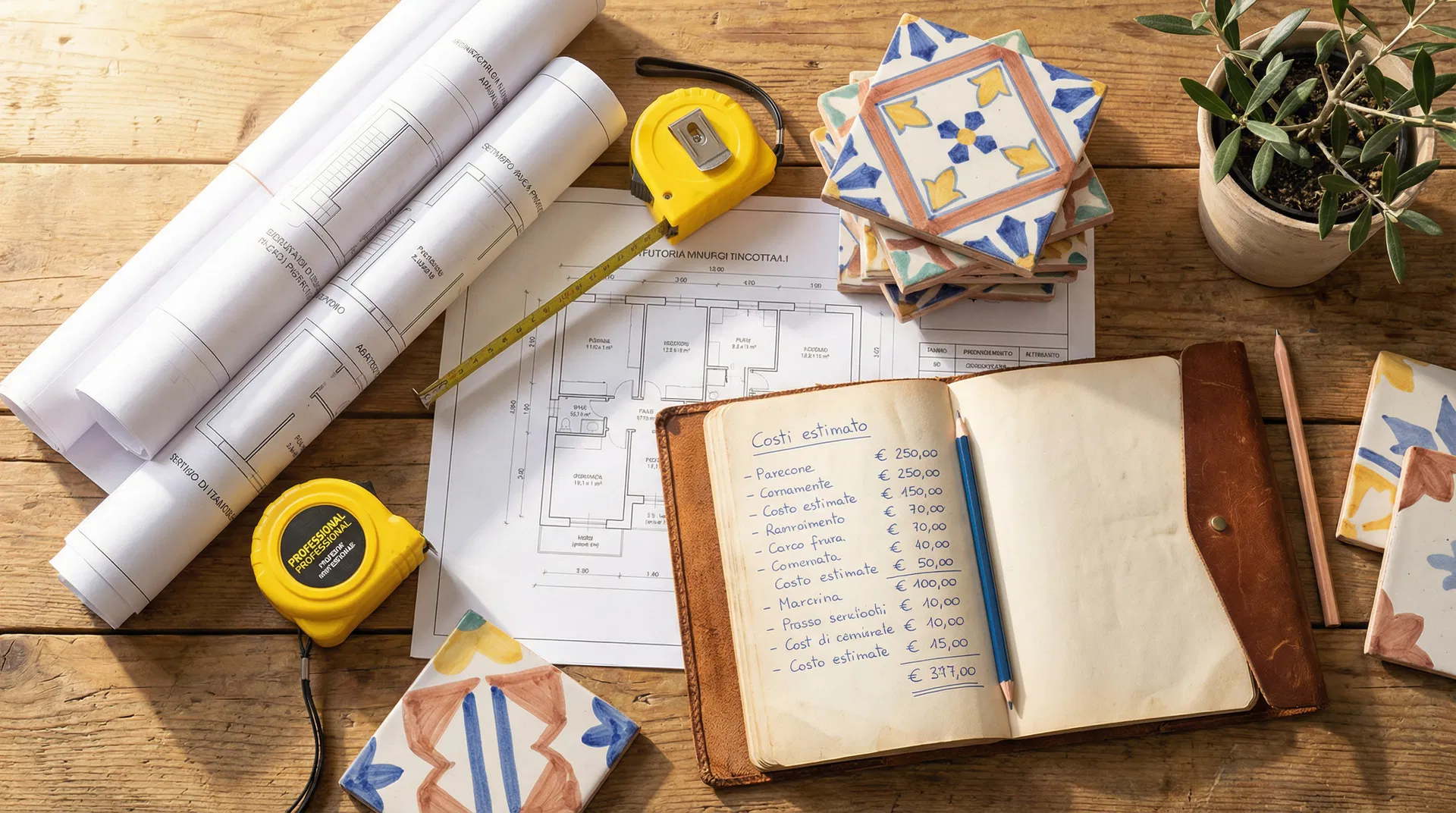
Budgeting accurately is one of the most challenging aspects of any renovation. The cost of a kitchen renovation in Sicily can vary widely depending on the size of the space, the quality of materials, and the complexity of the work. A basic refresh, including new paint, updated lighting, and new cabinet fronts, might cost between €3,000 and €7,000. A mid-range renovation, involving new cabinetry, countertops, and appliances, typically falls in the range of €8,000 to €20,000. For a high-end, custom-designed kitchen with premium materials and top-of-the-line appliances, you could be looking at €25,000 or more. It is always wise to add a contingency fund of 10-15% to your budget to cover any unexpected costs that may arise during the project.
To help you plan, here is a breakdown of estimated costs for a mid-range kitchen renovation in a typical 15-square-metre Sicilian kitchen. These figures are indicative and can vary based on your specific choices and location.
| Item / Service | Estimated Cost (EUR) |
|---|---|
| Demolition and Preparation | €800 - €1,500 |
| Plumbing and Electrical Work | €1,500 - €3,000 |
| Cabinetry and Installation | €4,000 - €8,000 |
| Countertops (Quartz or Granite) | €2,500 - €5,000 |
| Flooring (Porcelain or Terracotta) | €1,200 - €2,500 |
| Appliances (Mid-Range) | €3,000 - €6,000 |
| Tiling and Backsplash | €700 - €1,800 |
| Lighting and Fixtures | €500 - €1,200 |
| Labour and Project Management | €2,000 - €4,000 |
| Total Estimated Cost | €16,200 - €33,000 |
Typical Project Timeline
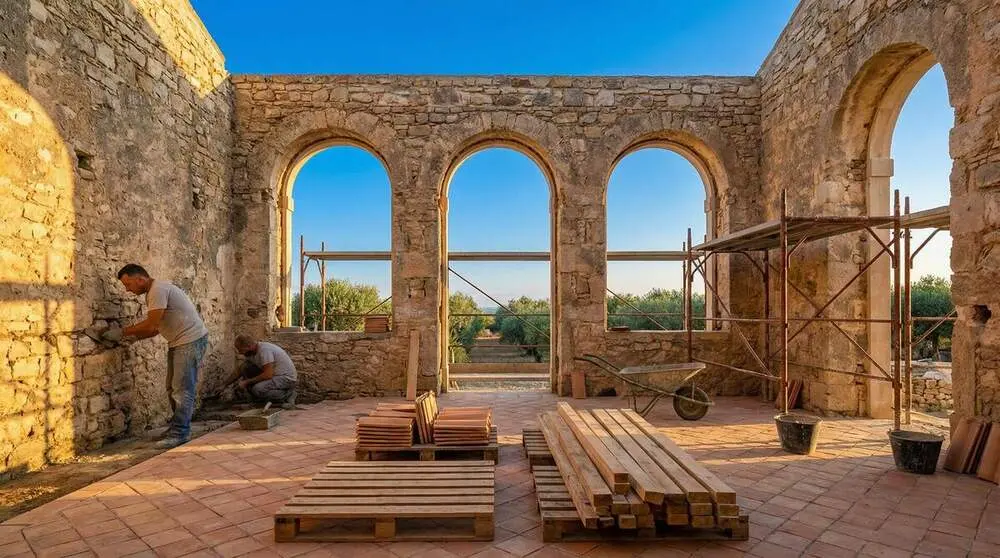
A kitchen renovation timeline can also vary significantly. A straightforward cosmetic update might take as little as one to two weeks, while a full-scale renovation involving structural changes could take two to three months or longer. The planning and design phase is often the longest, taking anywhere from four to eight weeks. This includes finalizing the layout, selecting materials, and obtaining any necessary permits. Once construction begins, the demolition and preparation phase typically takes a few days. This is followed by the 'first fix' for plumbing and electrical work, which can take up to a week. After the walls and floors are prepared, the new cabinetry and countertops are installed. The final phase includes the 'second fix' for electrics and plumbing, tiling, decorating, and the installation of appliances. For those managing the project from abroad, a guide on overseas project management can be extremely helpful in ensuring the project stays on track.
Here is a sample timeline for a comprehensive kitchen renovation:
| Phase | Duration |
|---|---|
| Phase 1: Design and Planning | 4 - 8 Weeks |
| - Finalise layout and design | |
| - Select materials and appliances | |
| - Obtain quotes and hire contractors | |
| - Secure building permits (if required) | |
| Phase 2: Demolition and Structural Work | 1 - 2 Weeks |
| - Remove old kitchen | |
| - Any structural alterations | |
| Phase 3: First Fix and Preparation | 1 - 2 Weeks |
| - New plumbing and electrical wiring | |
| - Plastering and floor preparation | |
| Phase 4: Installation | 2 - 4 Weeks |
| - Install flooring | |
| - Install cabinetry and countertops | |
| - Install backsplash and tiling | |
| Phase 5: Second Fix and Finishing | 1 - 2 Weeks |
| - Connect appliances, sink, and taps | |
| - Install lighting and electrical outlets | |
| - Painting and final decorating | |
| Total Estimated Timeline | 9 - 18 Weeks |
Frequently Asked Questions (FAQ)
Do I need a permit for a kitchen renovation in Sicily?
For minor cosmetic updates, you typically do not need a permit. However, if you are changing the layout, moving walls, or altering the plumbing or electrical systems, you will likely need to file a CILA (Comunicazione di Inizio Lavori Asseverata) or a SCIA (Segnalazione Certificata di Inizio Attività). It is always best to consult with an architect or geometra to understand the specific requirements for your project.
What are the most durable countertop materials?
Quartz and granite are both excellent choices for durability. Quartz is an engineered stone that is non-porous, making it highly resistant to staining and scratching. Granite is a natural stone that is also very hard-wearing, but it does require periodic sealing to protect it from stains. Volcanic stone from Etna is another incredibly durable and unique local option.
How can I incorporate traditional Sicilian elements without making my kitchen look dated?
You can achieve a 'modern traditional' look by blending key elements. For example, pair sleek, modern cabinets with a traditional, hand-painted majolica tile backsplash. Or, use a classic material like terracotta for the floor but in a larger, more contemporary tile format. The key is to create a balanced dialogue between old and new.
Is it more expensive to renovate a kitchen in a historic building?
Yes, it often is. Renovating in a historic building, especially in a protected area like the historic centre of Noto or Ragusa Ibla, may require special permits and the use of specific materials or techniques to preserve the building's character. This can add to the overall cost and timeline of the project.
How can I save money on my kitchen renovation?
There are several ways to save money without compromising on quality. Consider using more affordable materials that mimic the look of high-end options, such as high-quality laminate countertops instead of marble. You can also save by keeping the existing layout to avoid the cost of moving plumbing and electrical lines. Finally, get multiple quotes from different contractors to ensure you are getting a competitive price.
What is the best time of year to renovate in Sicily?
The spring and autumn months are generally the best times for renovation work in Sicily. The weather is mild, which is ideal for construction activities, and you can avoid the peak summer tourist season when contractors may be busier and materials in higher demand.
Should I hire an architect or a designer?
For a simple kitchen refresh, you may not need professional design help. However, for a full renovation, hiring an architect or an interior designer is highly recommended. They can help you create a functional and beautiful design, navigate the permit process, and manage the project, which can save you time, money, and stress in the long run.
Creating your dream kitchen in Sicily is a rewarding journey. By carefully planning your design, selecting the right materials, and working with experienced professionals, you can create a space that is a true reflection of your style and the unique charm of Sicilian life. Whether you are preparing a simple family meal or hosting a festive gathering, your new kitchen will be the heart of your home for years to come.
Ready to Start Your Project?
Contact Terra Nostra Costruzioni for a free consultation. We provide bilingual project management for renovation projects across Sicily.
Ask AI About This Topic
Get instant AI-powered answers about Cost Guides
These links open external AI platforms with a pre-filled question about this topic.