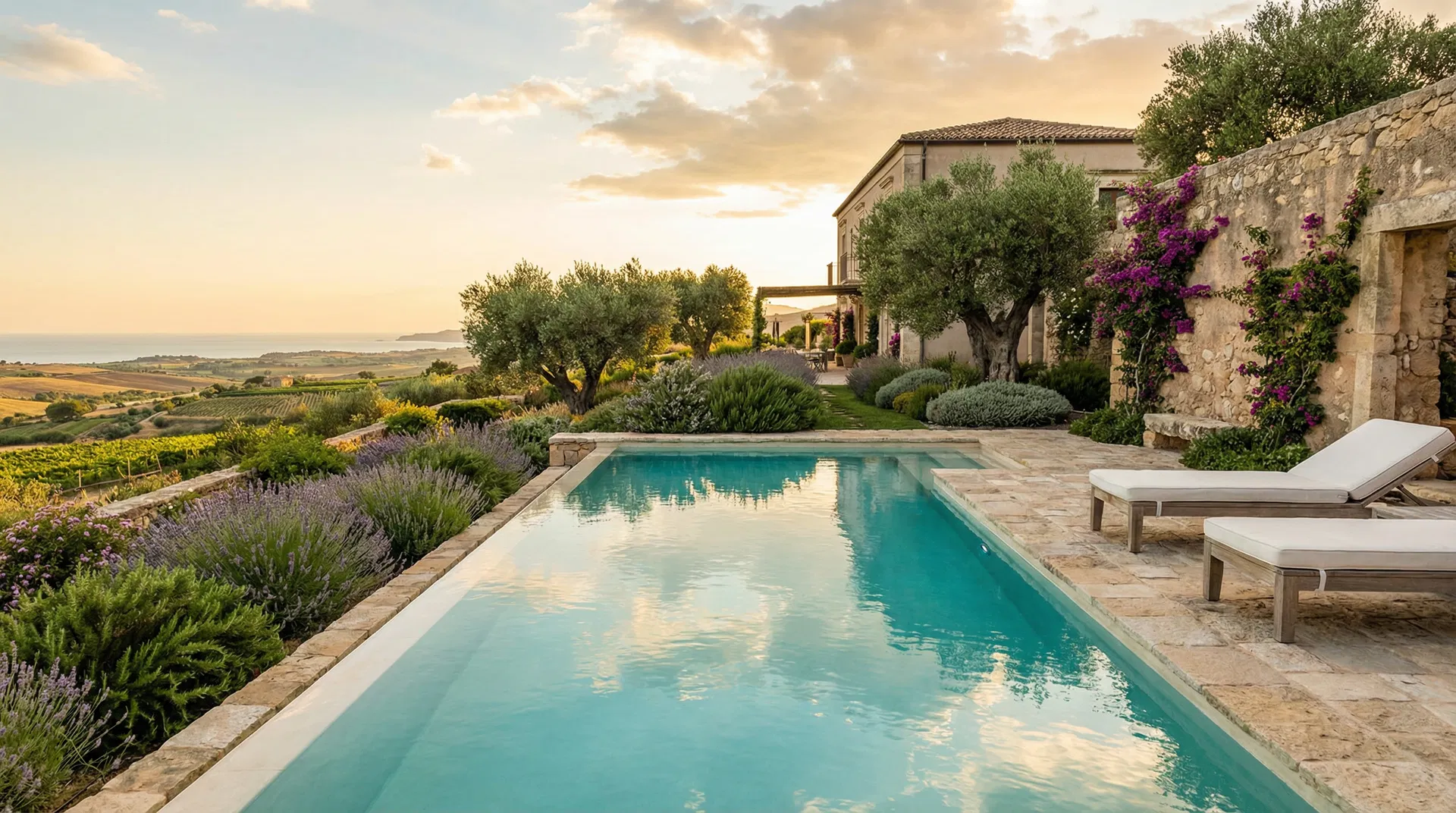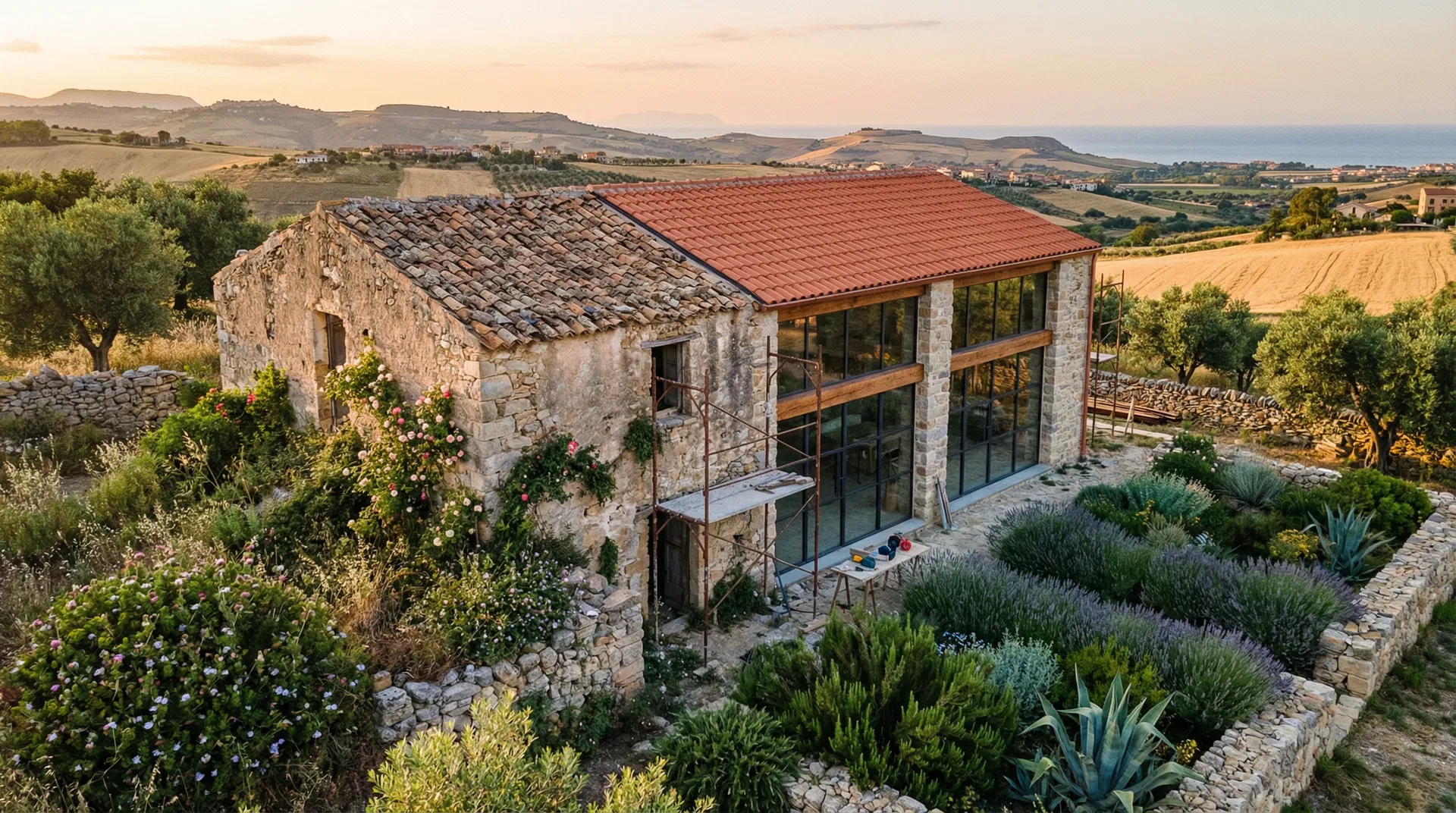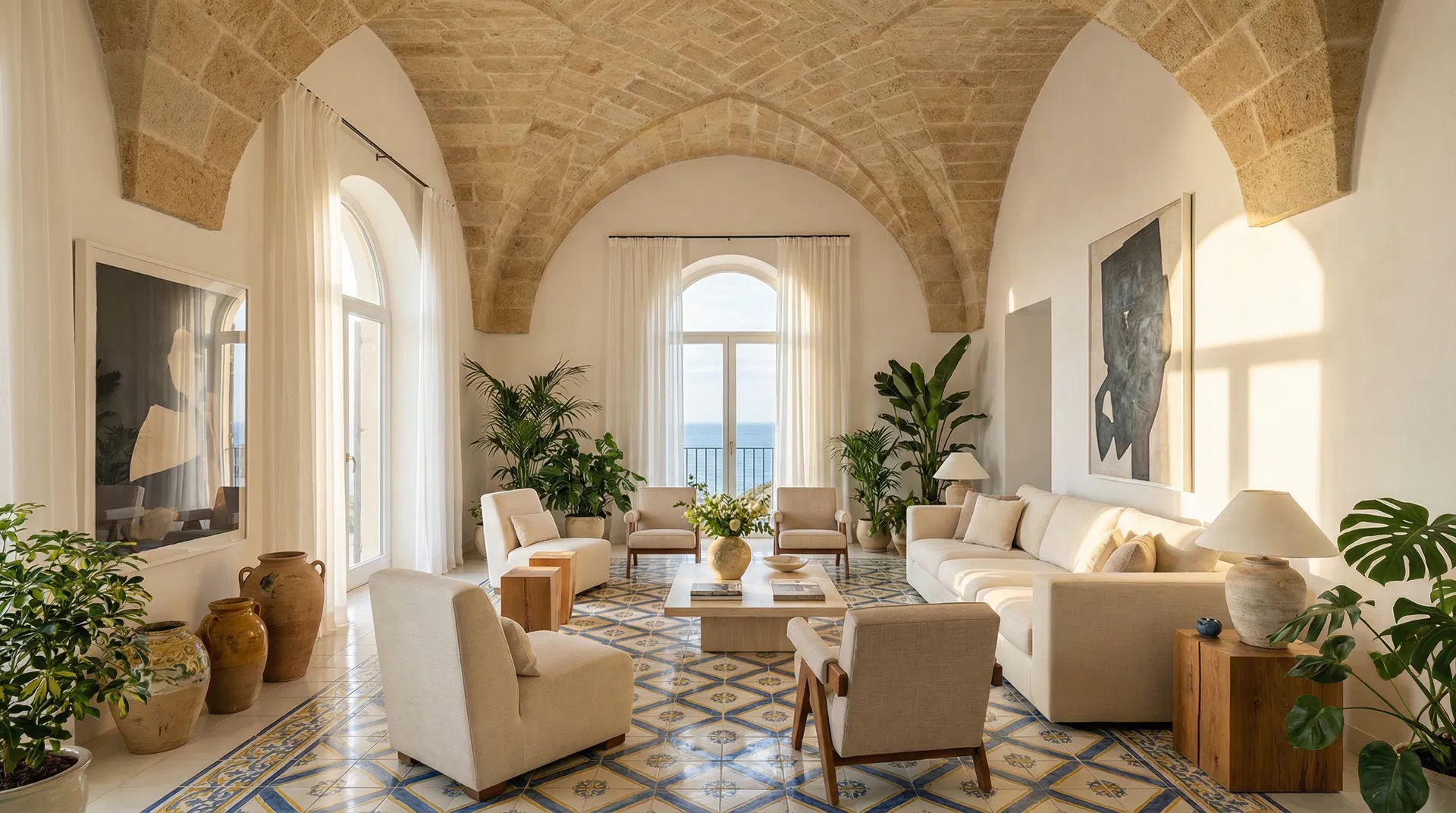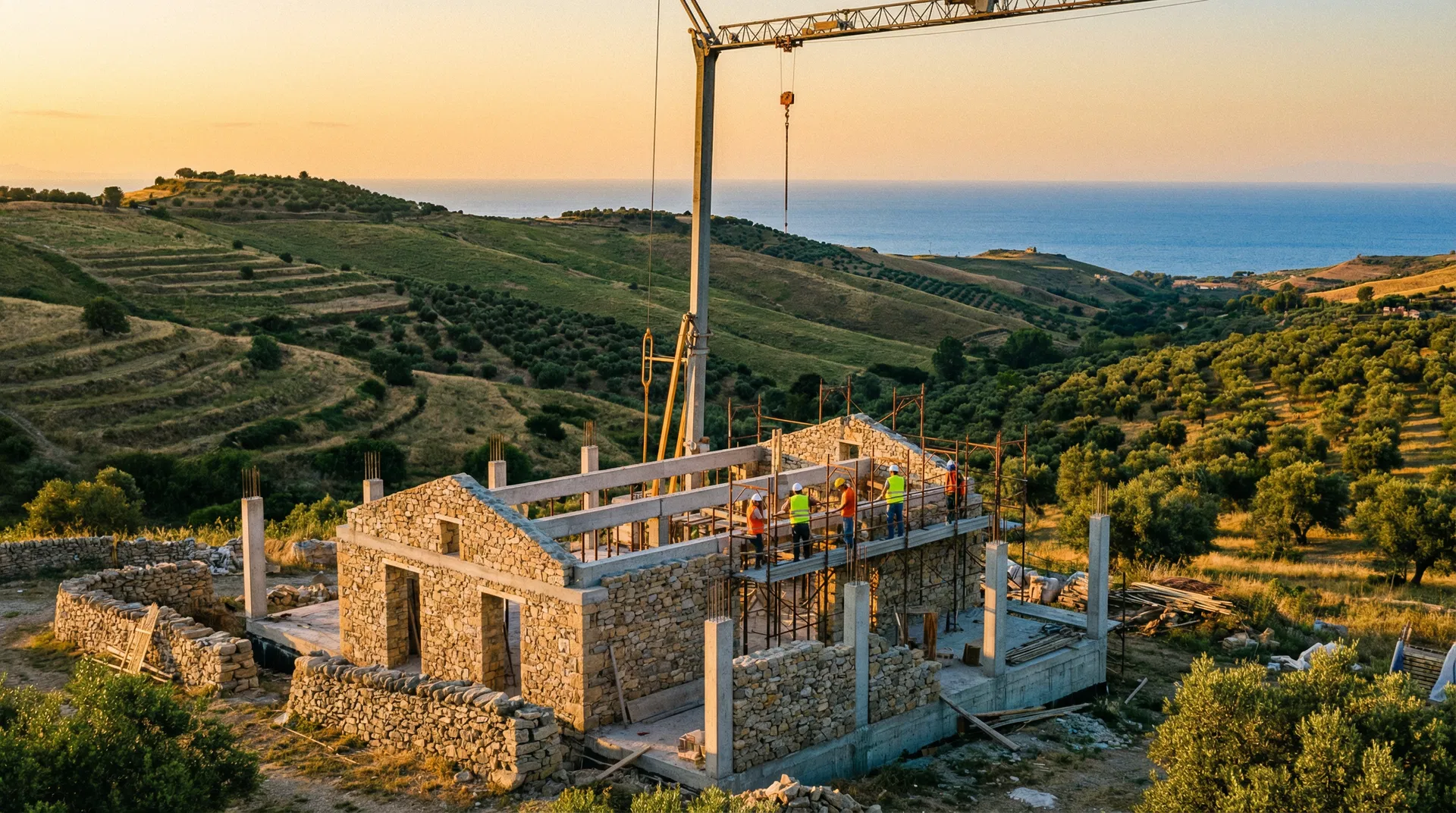
Building a new house in Sicily is the dream for many, offering a chance to create a bespoke home bathed in Mediterranean sunshine. This comprehensive guide provides a detailed roadmap for turning that dream into a reality, covering everything from land acquisition and navigating the permit process to understanding construction costs and timelines. Whether you envision a modern villa with sea views or a traditional home nestled in the countryside, this article will equip you with the essential knowledge for a successful new build project on this beautiful island.
Understanding the Full Cost of Building a New House in Sicily
Calculating the budget for building a new home in Sicily requires a detailed analysis of various factors. The final cost is influenced by the location, size, design complexity, and quality of finishes. As a general guideline, the construction cost per square metre (sqm) for a new build in Sicily typically ranges from €1,400 to €2,200. This figure, however, only represents the cost of the structure itself and does not include the price of the land, professional fees, or taxes.
To create a realistic budget, you must account for several key expenses. These include the purchase price of the building plot (terreno edificabile), which can vary dramatically depending on its location and views. Additionally, you will need to factor in the fees for your architect (architetto), engineer (ingegnere), and geologist (geologo), which are typically calculated as a percentage of the total construction cost. Other significant expenses include municipal building permit fees (oneri di urbanizzazione), utility connection charges, and IVA (VAT) on materials and services. For a detailed breakdown of renovation expenses, you can explore our guide on renovation costs in Sicily.
| Cost Component | Average Cost (EUR) | Notes |
|---|---|---|
| Building Land (1,000 sqm) | €50,000 - €150,000+ | Highly variable by location (coastal, rural, city) |
| Construction (150 sqm house) | €210,000 - €330,000 | Based on €1,400 - €2,200 per sqm |
| Professional Fees (Architect, Engineer) | €20,000 - €40,000 | Typically 8-12% of construction cost |
| Permit & Municipal Fees | €10,000 - €25,000 | Includes Permesso di Costruire, SCIA, etc. |
| Utility Connections | €5,000 - €10,000 | Water, electricity, gas, and sewage |
| Landscaping & Exterior | €15,000 - €50,000+ | Driveway, walls, garden, swimming pool |
| Total Estimated Cost | €310,000 - €605,000+ | Excluding high-end finishes and unforeseen issues |
Navigating the Building Permit Process in Sicily
The Italian bureaucracy for building permits can be complex, but with the right professional guidance, it is entirely manageable. The primary permit required for a new construction is the 'Permesso di Costruire' (Permit to Build), which is issued by the local municipality (comune). This permit is necessary for any significant new construction project and involves a detailed review of your architectural and engineering plans to ensure they comply with local building codes and zoning regulations.
The process begins with your architect submitting the project plans to the 'Sportello Unico per l'Edilizia' (SUE), the one-stop shop for building permits. The SUE coordinates with all relevant authorities, including the local health authority (ASL) and, if applicable, the 'Soprintendenza ai Beni Culturali' for projects in historically protected areas. Understanding the nuances of these permits is crucial, and our guide to Italian building permits like SCIA and CILA can provide further clarity.
Key Stages of the Construction Timeline
Building a house in Sicily from scratch is a multi-stage process that typically takes between 18 and 24 months from the initial design phase to the final handover. This timeline can be influenced by factors such as the complexity of the project, the efficiency of the permitting process, and the availability of materials and labour. A well-structured project plan, managed by an experienced team, is essential for keeping the project on track.
The initial phase involves the architect creating the design and the technical team preparing the necessary reports for the 'Permesso di Costruire'. Once the permit is granted, the construction work can begin. This starts with the excavation and foundation, followed by the structural frame, roofing, and exterior walls. The subsequent stages involve the installation of plumbing and electrical systems, interior finishing, and finally, the landscaping and exterior works. For those considering a more streamlined approach, a turnkey renovation service in Sicily can offer a more predictable timeline.
| Phase | Description | Average Duration |
|---|---|---|
| 1. Design & Permitting | Architectural design, engineering reports, and submission for 'Permesso di Costruire'. | 4 - 8 months |
| 2. Foundations & Structure | Excavation, pouring the foundation, and erecting the structural frame (concrete or steel). | 3 - 5 months |
| 3. Exterior Works | Roofing, exterior walls, windows, and doors installation. | 3 - 4 months |
| 4. Systems Installation | Plumbing, electrical, heating, and cooling systems. | 2 - 3 months |
| 5. Interior Finishes | Plastering, flooring, tiling, painting, and fitting of kitchens and bathrooms. | 3 - 5 months |
| 6. Final Handover | Final inspections, snagging list, and official project completion. | 1 - 2 months |
Designing for the Sicilian Climate and Lifestyle
Building in Sicily offers a unique opportunity to design a home that is perfectly adapted to the Mediterranean climate. This means creating spaces that are cool and comfortable during the hot summer months and warm and inviting in the milder winters. Key design features include large windows and terraces to capture the stunning views and sea breezes, as well as shaded outdoor living areas for alfresco dining.
Traditional Sicilian architecture offers a wealth of inspiration, with its use of local materials like volcanic stone from Etna and terracotta tiles. Modern construction techniques can be blended with these traditional elements to create a home that is both beautiful and energy-efficient. Incorporating features such as thick walls, high ceilings, and natural ventilation can significantly reduce the need for air conditioning. For those looking to blend old and new, our guide on renovating historic properties in Sicily offers valuable insights.
Essential Technical Considerations for Your New Build
A successful new build project in Sicily requires careful attention to several technical aspects. Given Sicily's seismic activity, all new constructions must adhere to strict anti-seismic building codes. Your engineer will be responsible for designing a structural frame that can withstand potential earthquakes, ensuring the safety and longevity of your home. This is a non-negotiable aspect of building in the region.
Another critical consideration is water management. Sicily can experience periods of drought, so incorporating a large water storage tank (cisterna) is highly recommended to ensure a consistent water supply. Furthermore, with an increasing focus on sustainability, designing an energy-efficient home is not only good for the environment but also for your long-term running costs. This includes using high-performance insulation, installing solar panels for hot water and electricity, and choosing energy-efficient windows and doors.
Why Partnering with a Local Expert is Crucial
Embarking on a new construction project in a foreign country can be a daunting prospect. The language barrier, unfamiliar regulations, and different business culture can all present significant challenges. This is why partnering with a reliable, local construction company is the single most important decision you will make. An experienced team will not only manage the entire construction process but also act as your trusted advisor, guiding you through every step.
A reputable builder will have a network of trusted architects, engineers, and tradespeople, ensuring that your project is completed to the highest standards. They will handle all the paperwork, liaise with the local authorities, and provide regular updates on the progress of the build. This allows you to enjoy the creative process of designing your dream home, without the stress of managing the day-to-day complexities of the construction. Finding the right partner is key, and our advice on finding reliable builders in Sicily can be a great starting point.
Frequently Asked Questions (FAQ)
How long does it take to get a building permit in Sicily?
The process for obtaining a 'Permesso di Costruire' can take anywhere from 4 to 8 months, and sometimes longer, depending on the complexity of the project and the efficiency of the local municipal office. It is crucial to have all your documentation in perfect order to avoid delays.
Can I build a house on agricultural land in Sicily?
Generally, it is not possible to build a new residential house on land classified as 'terreno agricolo' (agricultural land). However, there are some exceptions, particularly for individuals who are registered as farmers. It is essential to verify the land's classification before purchasing.
What are the main differences between building in Sicily and in the UK or US?
The main differences lie in the bureaucratic procedures, the building codes (especially the anti-seismic regulations), and the construction methods. The pace of work can also be slower, and it is important to adapt to the local 'piano, piano' (slowly, slowly) culture.
How much should I budget for unforeseen costs?
It is always wise to have a contingency fund of at least 10-15% of the total construction cost to cover any unexpected issues that may arise during the build. This could include challenges with the terrain, changes to the design, or price increases for materials.
What is the 'Superbonus' and can I use it for a new build?
The 'Superbonus' is a government incentive for energy efficiency and seismic improvements on existing buildings. It is generally not applicable to new construction projects, but there may be other regional or national incentives available for sustainable building.
Is it difficult to get a mortgage for a new build in Sicily?
For non-residents, obtaining a mortgage from an Italian bank can be challenging, but not impossible. You will typically need a substantial deposit and a clear record of your income. It is advisable to consult with a mortgage broker who specialises in financing for foreign buyers in Italy.
What are the advantages of a turnkey construction contract?
A turnkey ('chiavi in mano') contract offers peace of mind, as the construction company takes full responsibility for delivering the completed house for a fixed price and within a set timeframe. This can be an excellent option for foreign buyers who are managing the project from abroad.
Embarking on the journey of building a new home in Sicily is an exciting venture. By conducting thorough research, setting a realistic budget, and partnering with a team of experienced professionals, you can navigate the process with confidence and create a property that you will cherish for years to come. If you are ready to take the next step, contact us for a consultation to discuss your project.
Ready to Start Your Project?
Contact Terra Nostra Costruzioni for a free consultation. We provide bilingual project management for renovation projects across Sicily.
Ask AI About This Topic
Get instant AI-powered answers about Services
These links open external AI platforms with a pre-filled question about this topic.