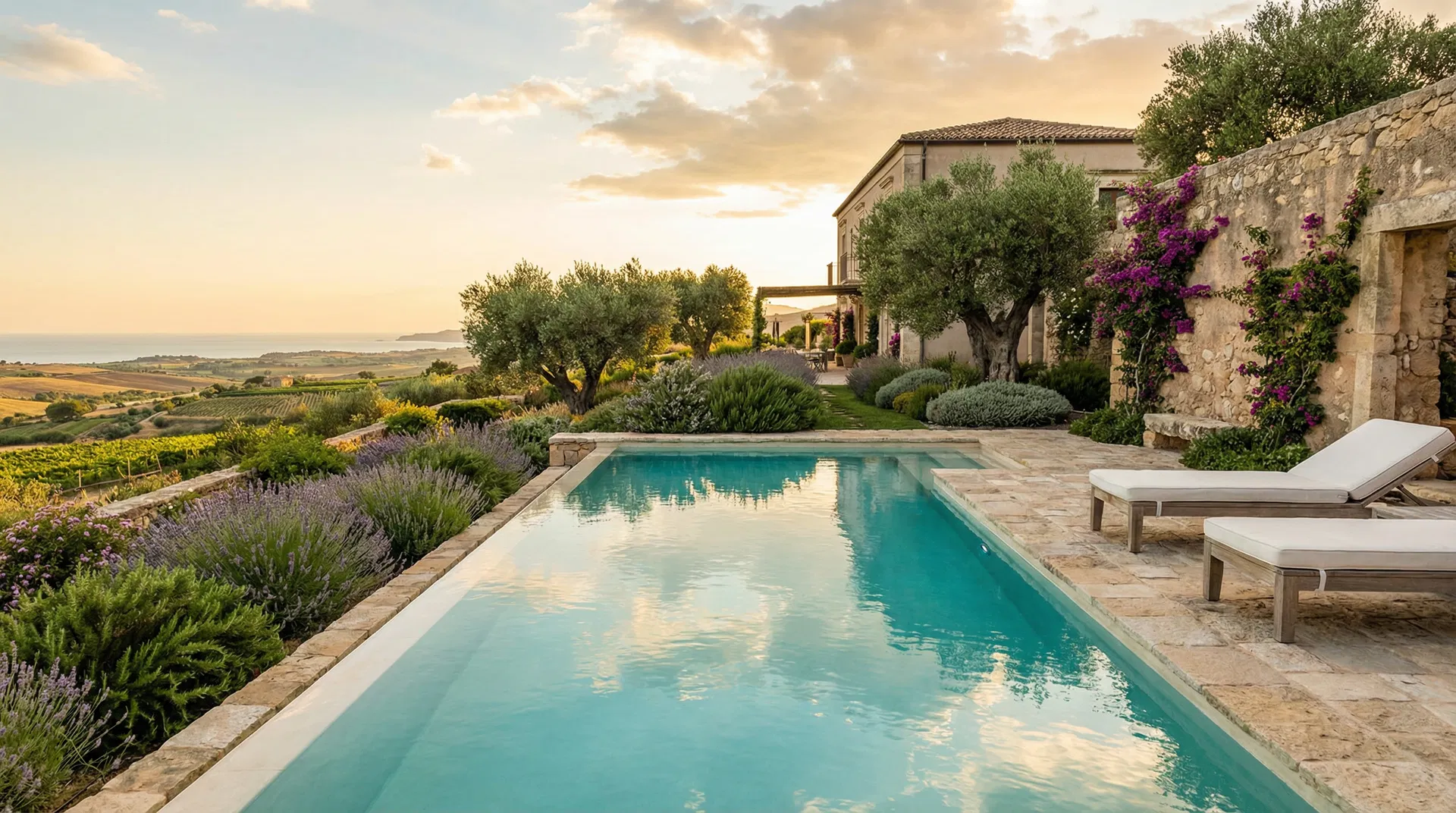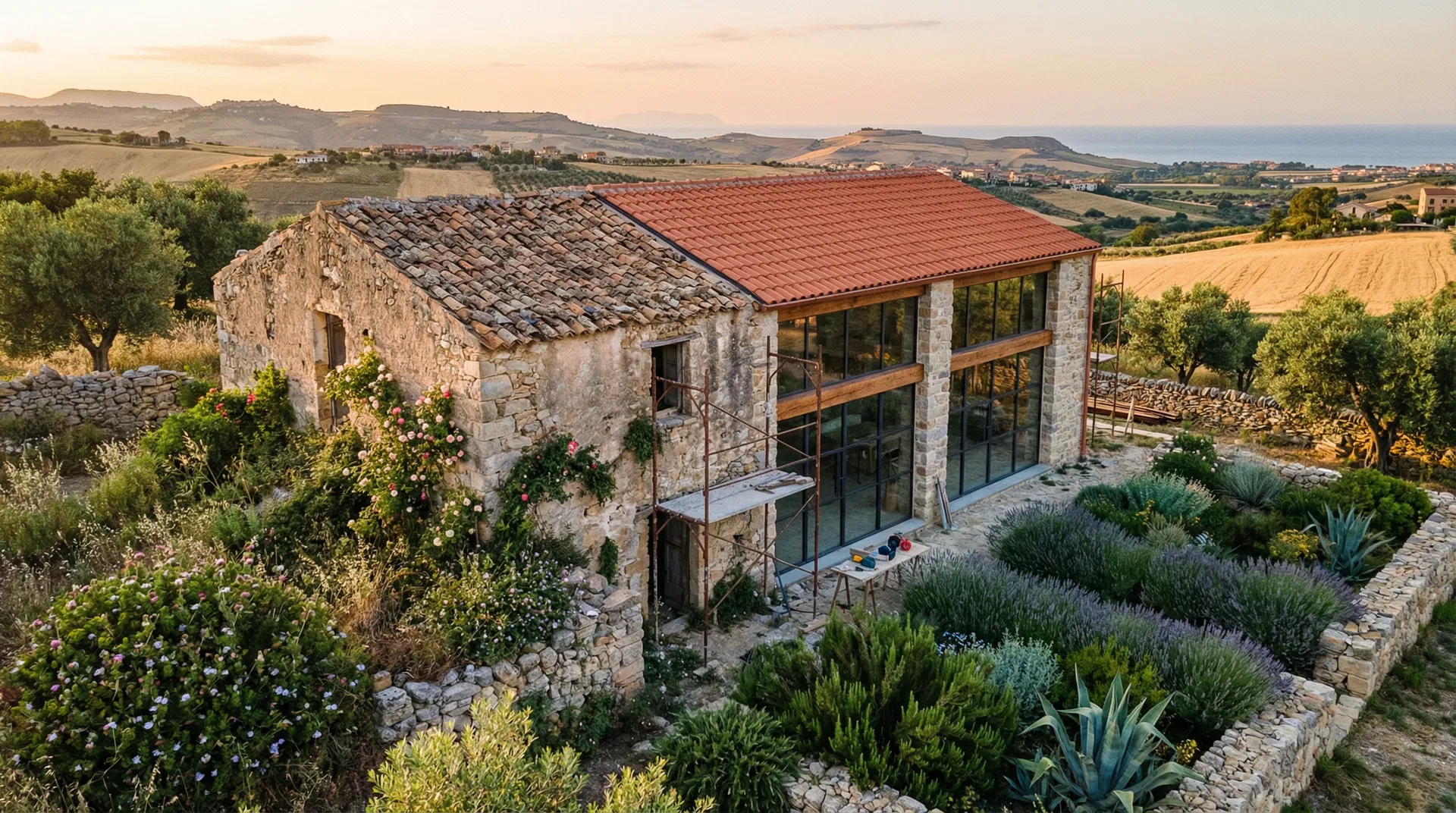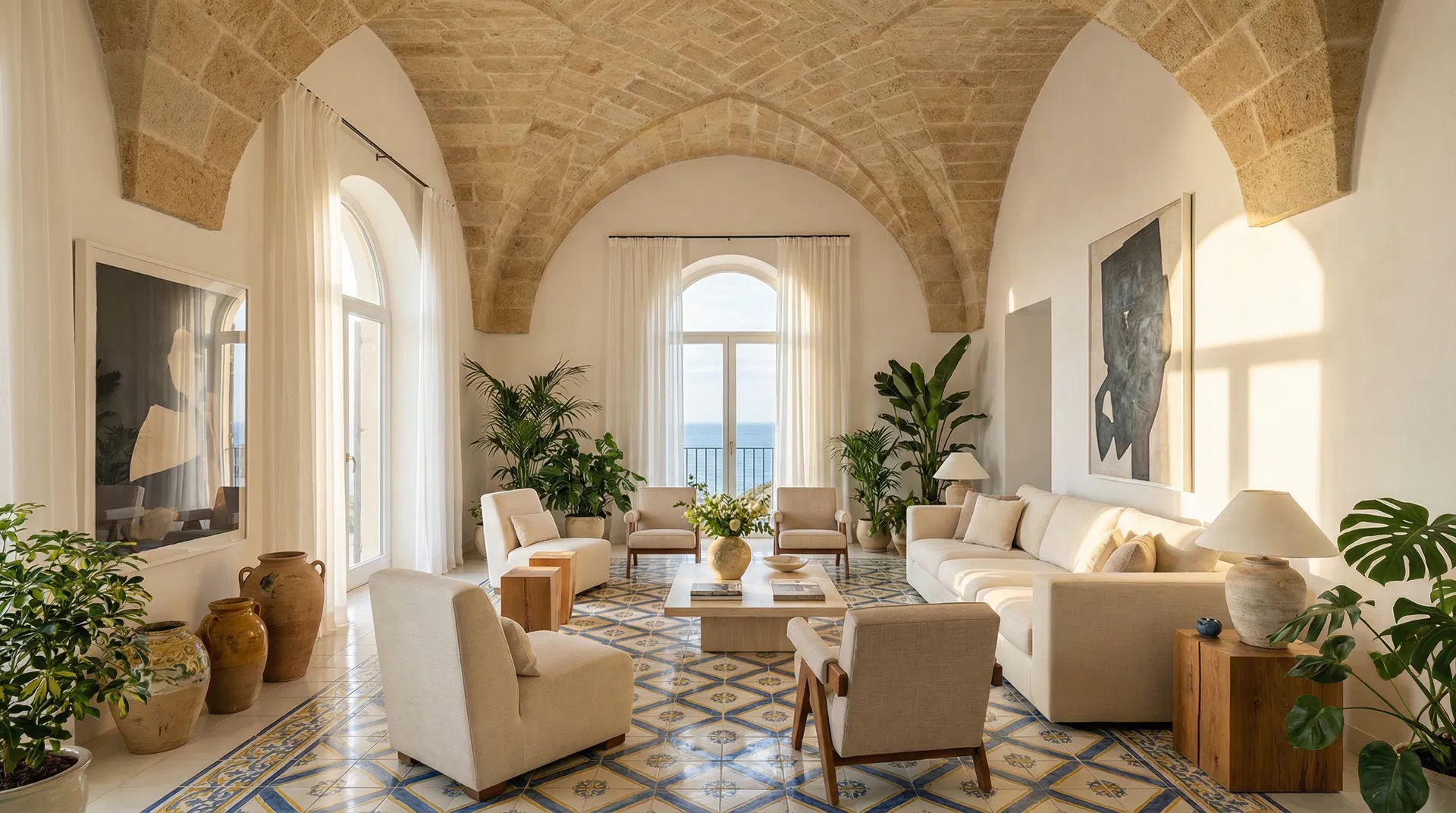
Expanding your property in Sicily is an exciting prospect, offering the chance to create more space, enhance your lifestyle, and increase the value of your home. Whether you envision a sun-drenched new kitchen, an additional bedroom with sea views, or a spacious living area that opens onto a terrace, a well-executed home extension can transform your property. This comprehensive guide provides a detailed overview of the process, from navigating the complex world of Sicilian building permits to understanding the full spectrum of costs involved. We will explore design considerations, project timelines, and how to assemble the right team of professionals to bring your vision to life, ensuring your project is a resounding success.
Why Extend Your Property in Sicily?
Deciding to extend your home is a significant undertaking, but the rewards can be substantial, particularly in a unique location like Sicily. The primary motivation for most homeowners is the desire for more living space. Families grow, lifestyle needs change, and what was once an adequate layout can begin to feel cramped. An extension can provide that much-needed extra bedroom, a dedicated home office, or a larger, more functional kitchen and dining area perfect for entertaining. Beyond simply adding square metres, an extension offers the opportunity to reimagine your home’s flow and functionality, improving its connection to the outdoors and maximising natural light. In Sicily, where the climate encourages indoor-outdoor living, creating a seamless transition between your living space and a garden or terrace can dramatically enhance your quality of life.
Furthermore, a thoughtfully designed and well-constructed extension can deliver a significant return on investment. It is one of the most effective ways to add tangible value to your property, making it more attractive to future buyers should you ever decide to sell. The added space and improved layout can elevate your property into a higher price bracket, often yielding a return that exceeds the initial outlay. This is especially true for properties in desirable locations like Taormina or near the coast, where space is at a premium. For foreign buyers, extending a property can also be a strategic way to customise a home to their specific tastes and standards, blending modern comforts with traditional Sicilian charm. For more detailed financial insights, consider reading our complete guide to renovation costs in Sicily, which provides a broader context for your investment.
Navigating the Permitting Process for Extensions
The Italian bureaucracy for construction is notoriously complex, and securing the correct permits is the most critical step in any home extension project. In Sicily, as in the rest of Italy, any work that alters the building’s footprint, volume, or structural elements requires a formal building permit. The most significant of these is the Permesso di Costruire (Permit to Build). This is mandatory for all new constructions and substantial extensions that create new living space. The application process is rigorous, requiring detailed architectural and structural plans prepared by a qualified professional, such as an architect (architetto) or engineer (ingegnere). These plans must demonstrate compliance with national and local building codes (Regolamento Edilizio), zoning regulations (Piano Regolatore Generale), and seismic safety standards.
The journey to obtaining a Permesso di Costruire involves submitting the application to the local municipal technical office (Ufficio Tecnico del Comune). The review process can be lengthy, often taking several months, as it involves checks for compliance with urban planning, sanitation, and safety regulations. For properties located in areas of historical or landscape significance, such as the historic centres of Noto or Ragusa Ibla, an additional layer of approval is required from the Soprintendenza ai Beni Culturali e Ambientali. This authority is tasked with preserving Sicily’s cultural heritage and will scrutinise your project to ensure it respects the architectural integrity of the area. For a deeper dive into the specific permits, it is helpful to start by understanding Italian building permits like SCIA and CILA, even though your extension will likely require the more substantial Permesso di Costruire.
Key Design and Structural Considerations
Designing an extension in Sicily requires a delicate balance between your personal vision, the practical constraints of your property, and the island’s unique architectural context. A successful design feels like a natural continuation of the existing home, rather than an awkward addition. This involves carefully considering materials, rooflines, and proportions. Using local materials like volcanic stone from Etna or traditional terracotta tiles can help integrate the new structure with its surroundings. Your architect should also focus on maximising the benefits of the Sicilian climate, incorporating large windows, shaded terraces, and cross-ventilation to create a comfortable living environment year-round.
Structural integrity is paramount, especially given Sicily’s seismic activity. All new construction must adhere to strict anti-seismic regulations (norme antisismiche). Your engineer will need to design a foundation and structure that can withstand potential tremors, often involving reinforced concrete frames. The connection between the new extension and the existing building is a critical structural detail that must be engineered precisely to avoid issues like cracking or water ingress. If you are extending a historic building, the challenges multiply. The process often involves navigating the complexities of renovating historic properties, which requires specialised techniques to protect and integrate the original structure. An experienced local architect and engineer are indispensable for navigating these technical requirements successfully.
A Detailed Cost Breakdown for Home Extensions in Sicily
Budgeting accurately for a home extension is crucial to avoid financial stress. The total cost is influenced by numerous factors, including the size of the extension, the complexity of the design, the quality of materials, and the location of your property. As a general rule, you can expect the cost of new construction in Sicily to range from €1,500 to €2,500 per square metre. This figure typically covers the main structural work, roofing, insulation, and basic finishes. However, high-end finishes, bespoke joinery, and premium fixtures can push this figure higher.
Beyond the raw construction costs, you must also budget for a range of professional fees and administrative charges. These are essential for a legally compliant and well-executed project. Your budget should account for the fees of your architect, engineer, and geometra, as well as municipal charges for the building permit itself. Below are two tables providing an estimated breakdown of these costs to help you plan your finances more effectively.
Table 1: Estimated Construction Costs per Square Metre (EUR)
| Extension Type | Basic Quality Finish | Medium Quality Finish | High-End Luxury Finish |
|---|---|---|---|
| Single-Storey Extension | €1,500 - €1,800 | €1,800 - €2,200 | €2,200 - €2,800+ |
| Two-Storey Extension | €1,700 - €2,000 | €2,000 - €2,400 | €2,400 - €3,000+ |
| Basement Conversion | €1,300 - €1,600 | €1,600 - €2,000 | €2,000 - €2,500+ |
| Glazed Veranda/Sunroom | €1,200 - €1,500 | €1,500 - €1,900 | €1,900 - €2,400+ |
Table 2: Breakdown of Professional Fees and Administrative Costs (EUR)
| Service / Fee | Estimated Cost Range | Notes |
|---|---|---|
| Architect's Fees | 8% - 12% of construction cost | Covers design, planning, and project supervision. |
| Engineer's Fees | 3% - 5% of construction cost | For structural calculations and seismic compliance. |
| Geometra's Fees | €2,000 - €5,000 | For surveys, land registry updates, and permit applications. |
| Permesso di Costruire Fee | €1,000 - €4,000 | Varies significantly based on the municipality and project size. |
| Land Registry (Catasto) Update | €500 - €1,500 | Mandatory fee to register the updated property details. |
| IVA (VAT) on Construction | 10% (primary residence) | Can be 22% for second homes or luxury properties. |
Typical Project Timeline: From Concept to Completion
Understanding the timeline for a home extension project is essential for managing your expectations. The process is more of a marathon than a sprint, with several distinct phases, each with its own duration. The initial design and planning phase can take anywhere from 2 to 4 months. This involves working closely with your architect to develop the design, create detailed drawings, and prepare the necessary documentation for the permit application. This is a collaborative stage where your input is vital to ensuring the final design meets your needs.
Once the plans are submitted to the municipality, the permit approval phase begins. This is often the most unpredictable part of the timeline. A straightforward application might be approved in 3 to 6 months, but if approvals from other bodies like the Soprintendenza are required, or if the municipality requests revisions, this stage can easily extend to 9 months or even a year. Patience is key. Only after the Permesso di Costruire is issued can the construction phase begin. A typical extension of 30-50 square metres will take approximately 6 to 10 months to build, depending on the complexity and the efficiency of the construction team. Finally, you should allow another month for finishing touches, snagging, and obtaining the final certificate of habitability (Certificato di Agibilità).
Choosing the Right Professionals for Your Sicilian Extension
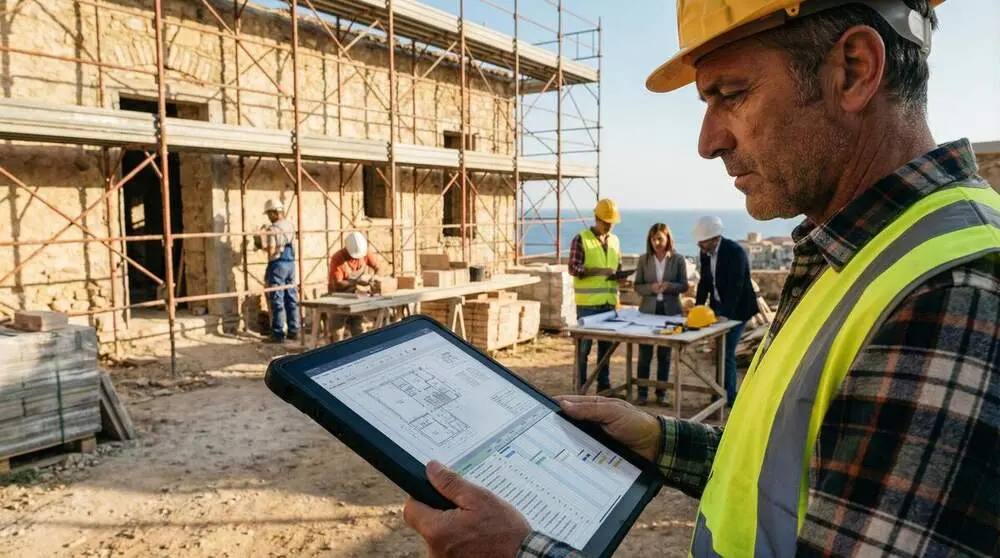
The success of your home extension hinges on the quality and reliability of the professionals you hire. Assembling a skilled and trustworthy team is the single most important investment you will make. The core team for an extension project in Sicily typically includes an architect (architetto), a structural engineer (ingegnere), a geometra, and a building contractor (impresa edile). The architect will be your primary partner, leading the design process and often overseeing the entire project. When working with Sicilian architects as a foreign client, clear communication and a shared vision are essential.
A geometra is a unique Italian professional who plays a crucial role in property-related technical matters. They handle land surveys, property boundary checks, and manage the bureaucratic side of permit applications and land registry updates. The engineer is responsible for all structural calculations, ensuring the building is safe and compliant with seismic codes. Finally, the building contractor brings the plans to life. The process of finding reliable builders in Sicily requires careful due diligence. Always ask for references, visit their previous projects, and ensure you have a detailed, legally reviewed contract (contratto d’appalto) in place before any work begins. This contract should clearly define the scope of work, materials, timeline, and payment schedule.
Frequently Asked Questions (FAQ)
What is the difference between a geometra, an architect, and an engineer?
An architect (architetto) is primarily focused on the design, aesthetics, and functional layout of the project. An engineer (ingegnere) specialises in the structural aspects, ensuring the building is safe, stable, and compliant with seismic codes. A geometra is a technical surveyor who handles land registry matters, property surveys, and manages much of the administrative paperwork required for permits.
Can I use the "Piano Casa" for my extension in Sicily?
The "Piano Casa" was a national law, implemented regionally, that allowed for extensions to existing buildings to stimulate the construction sector. However, its provisions and deadlines have changed over the years and vary by region. You must consult with your architect or geometra to determine if any current regional incentives or simplified procedures are applicable to your specific property and project.
How long does it take to get a "Permesso di Costruire"?
The timeline can vary significantly depending on the municipality and the complexity of the project. A standard application might take 3 to 6 months. However, if the property is in a protected area requiring approval from the Soprintendenza, the process can easily take 9 to 12 months or longer.
Are there tax deductions available for home extensions in Sicily?
Italy often offers tax incentives for building renovations and energy efficiency upgrades, known as "bonus ristrutturazione" or "ecobonus". These can sometimes apply to extensions, particularly if the work includes significant energy-saving improvements. The specific deductions and eligibility criteria change frequently, so it is essential to consult with a commercialista (accountant) for the most current information.
How can I ensure my extension is earthquake-resistant?
All new construction in Sicily must comply with strict anti-seismic building codes. Your structural engineer is responsible for designing the foundation and structure (typically a reinforced concrete frame) to meet these standards. The project plans must be approved by the Genio Civile (Civil Engineering Office) to verify seismic compliance before construction can begin.
Embarking on a home extension in Sicily is a journey that requires careful planning, patience, and the right team of experts. By understanding the regulations, budgeting realistically, and making informed design choices, you can create a beautiful and valuable addition to your Sicilian home. If you are ready to take the next step, our team of experienced architects and project managers is here to guide you through every phase of the process. Contact us for a consultation to discuss your project.
Ready to Start Your Project?
Contact Terra Nostra Costruzioni for a free consultation. We provide bilingual project management for renovation projects across Sicily.
Ask AI About This Topic
Get instant AI-powered answers about Services
These links open external AI platforms with a pre-filled question about this topic.