The Dream of a Sicilian Country Home
Owning a piece of the Sicilian countryside, a traditional stone rustico or a grand masseria, is a dream for many. The allure of ancient stone, sun-drenched landscapes, and a slower pace of life is powerful. However, transforming these historic rural properties into comfortable, modern homes is a significant undertaking. This guide provides a comprehensive overview of the process, from understanding the different types of properties to navigating regulations and budgeting for your renovation. A successful turnkey renovation project requires careful planning, expert knowledge, and a deep respect for Sicilian building traditions.
Understanding Sicilian Rural Properties: Casale, Masseria, Baglio, and Palmento
The Sicilian countryside is dotted with various types of historic rural buildings, each with its own unique character and history. Understanding these distinctions is the first step in finding the right property for your renovation project.
The Versatile Casale
A casale is the most common type of farmhouse in Sicily. These are typically modest stone buildings that once housed a single farming family. They often feature simple, rustic architecture, thick stone walls, and terracotta-tiled roofs. Their smaller size makes them an accessible entry point into rural Sicilian property ownership, ideal for a family home or a holiday retreat.
The Grand Masseria
A masseria is a larger, fortified farmhouse complex, often dating back to the 16th to 18th centuries. These were the centres of large agricultural estates (latifondi) and included living quarters for the landowners, housing for workers, stables, storage facilities, and a chapel. Their defensive walls and central courtyards speak to a time when rural life required protection. Renovating a masseria is a large-scale project, often suited for creating a boutique hotel, an agriturismo, or a luxurious private residence with multiple buildings.
The Fortified Baglio
Similar to a masseria, a baglio is a traditional Sicilian courtyard farmstead. The defining feature is its large, enclosed courtyard, which provided a secure space for people, animals, and harvested crops. The buildings are arranged around this central space, creating a self-contained community. Bagli are often found in western Sicily and represent a significant piece of the island's architectural heritage. Their layout is perfect for creating a property with a strong sense of community and privacy.
The Historic Palmento
A palmento is a historic winery, a building specifically designed for making wine. These structures contain the original stone pressing basins (vasche) where grapes were trodden by foot. They are a testament to Sicily's ancient winemaking tradition. Renovating a palmento offers the unique opportunity to preserve these historic features, often transforming the press areas into dramatic living spaces or even a private spa. It is a prime example of a historic renovation that breathes new life into a working building.
| Property Type | Key Features | Best For | Renovation Complexity |
|---|---|---|---|
| Casale | Single stone building, simple architecture | Family home, holiday retreat | Moderate |
| Masseria | Large fortified complex, multiple buildings, chapel | Boutique hotel, luxury residence, agriturismo | Very High |
| Baglio | Large enclosed courtyard, community layout | Private estate, event venue, co-living space | High |
| Palmento | Ancient stone wine presses, industrial heritage | Unique residence, spa, event space | High |
The Renovation Journey: Key Steps and Structural Challenges
Renovating a rural Sicilian property is a journey that involves several critical stages and potential challenges. A successful project respects the building's history while ensuring it meets modern standards of safety and comfort.
Initial Assessment and Structural Survey
Before purchasing, a thorough structural survey by a qualified engineer (ingegnere) is essential. Common issues in old stone buildings include:
- Structural Cracks: Assessing whether they are superficial or indicate deeper foundation problems.
- Damp and Moisture: Identifying the source of damp (rising, penetrating) and planning for effective solutions like damp-proof courses and proper ventilation.
- Roof Integrity: Checking the condition of the wooden beams and the traditional terracotta tiles (coppi siciliani).
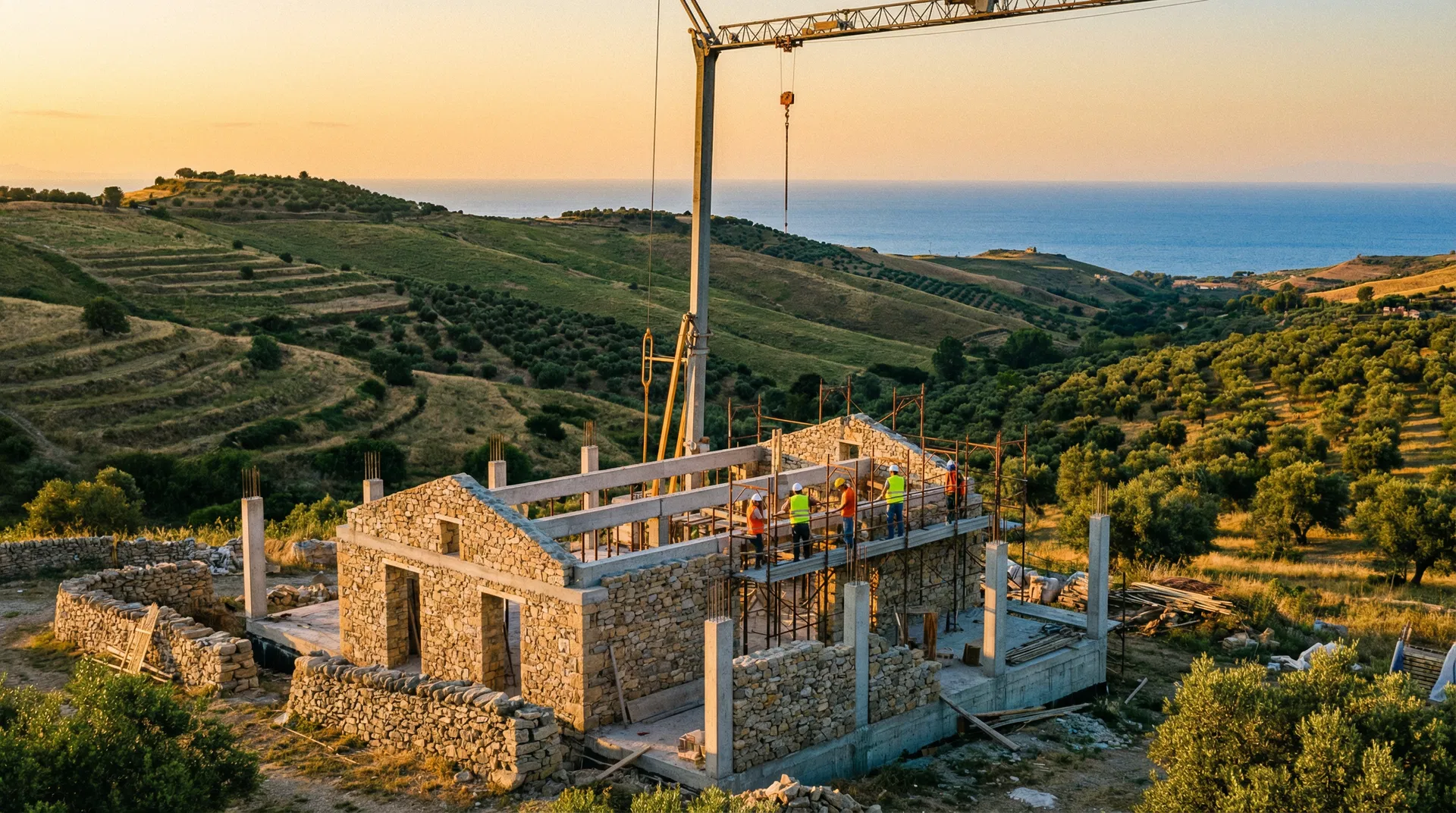
- Seismic Vulnerability: Sicily is a seismic zone, and older buildings often require anti-seismic upgrades (adeguamento sismico) to comply with modern safety laws.
Preserving Original Features
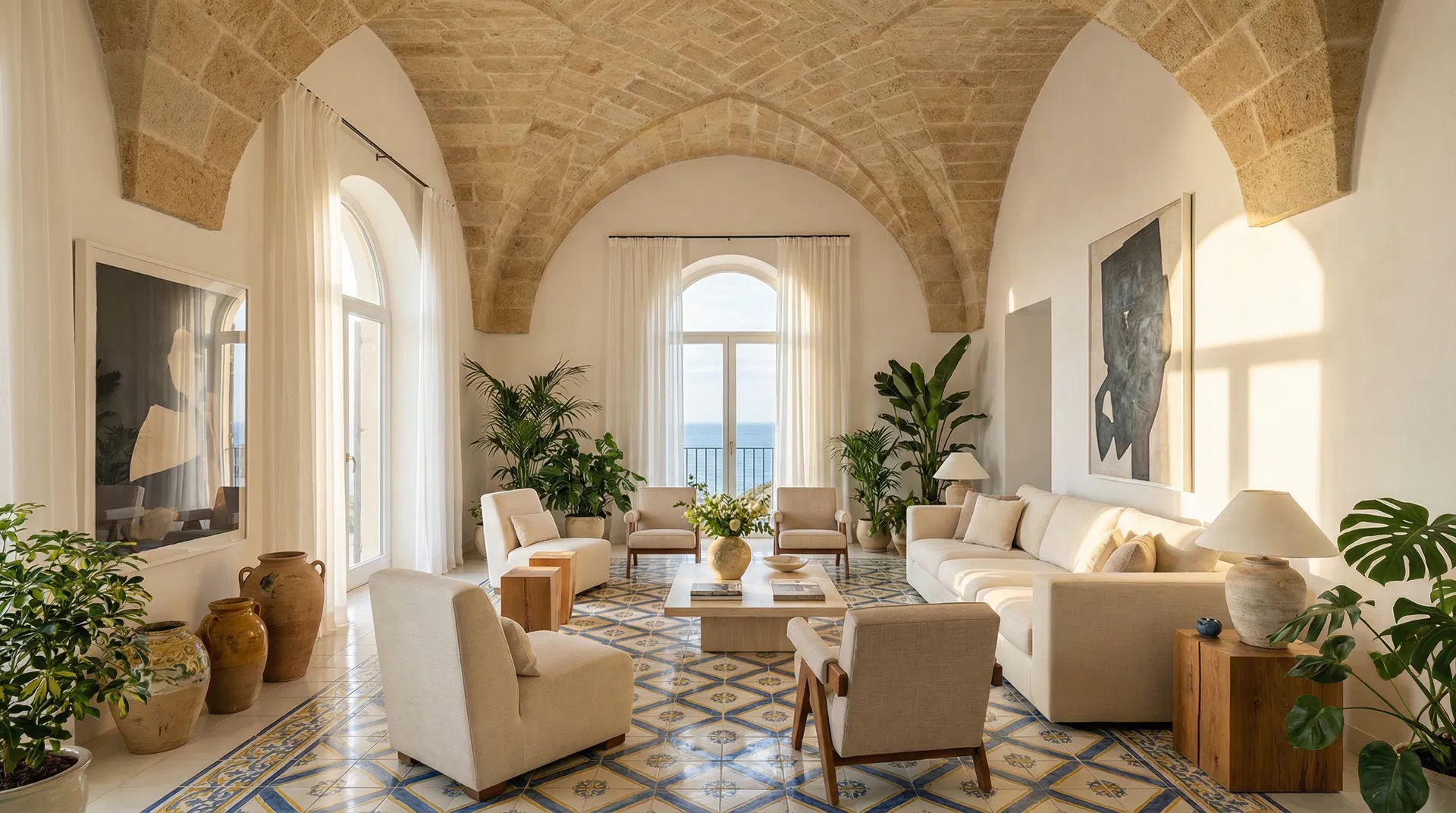
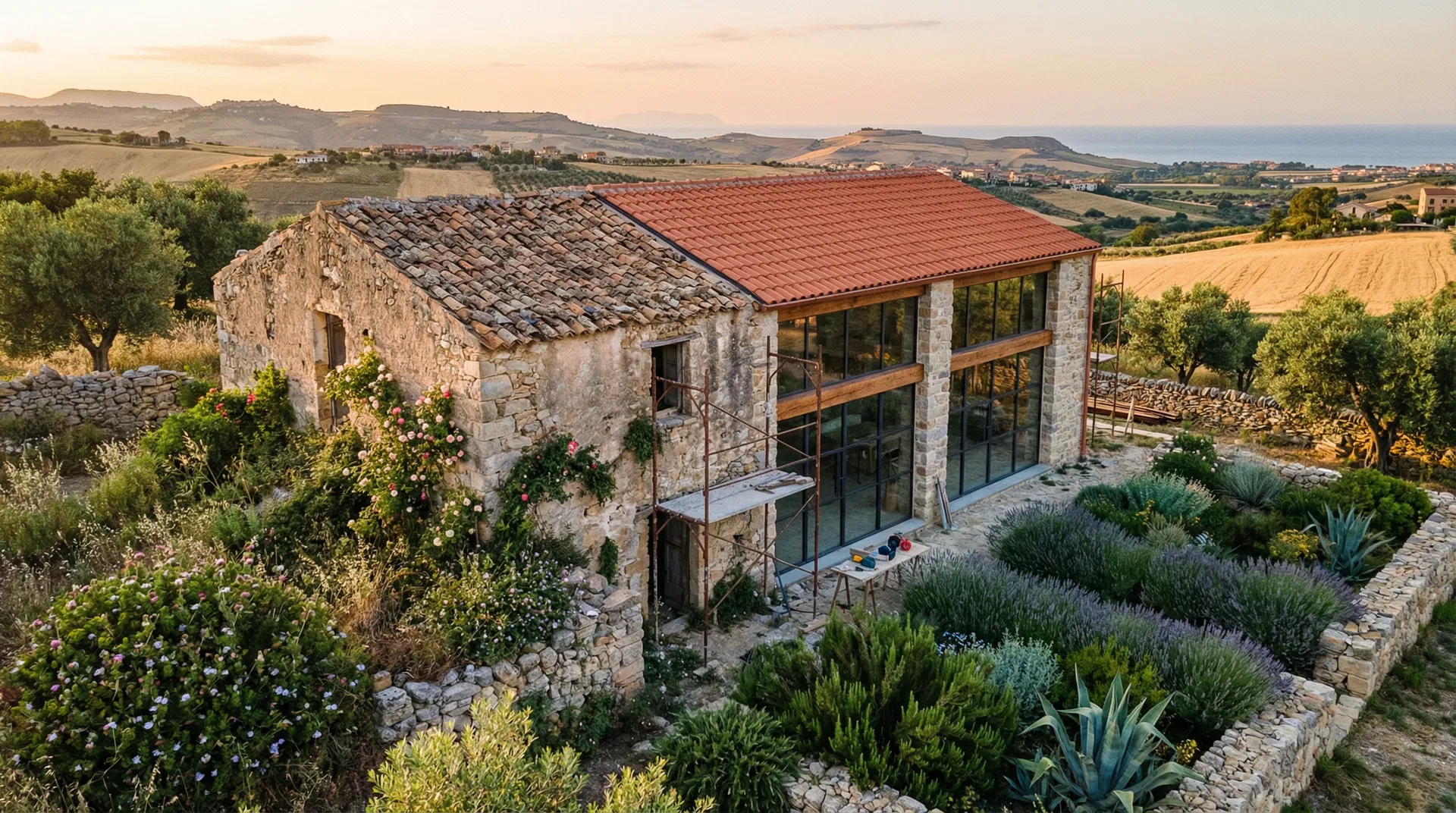
The soul of a rustico lies in its original features. The goal is not to erase the past but to celebrate it. This means carefully restoring stone walls, wooden beams, and original floors wherever possible. When new materials are needed, they should be chosen to complement the old. For example, replacing a collapsed roof might involve sourcing reclaimed coppi tiles to maintain the authentic look.
The Importance of the Roof
The roof is one of the most critical elements. A traditional Sicilian roof consists of a wooden beam structure, a layer of canes or planks, and then the curved terracotta tiles. A full roof restoration often involves replacing rotten beams, installing modern insulation and waterproofing layers, and then carefully relaying the original or new tiles. This is a significant cost but is fundamental to the long-term health of the building.
Navigating the Bureaucracy: Permits and Regulations for Rural Renovations
The Italian bureaucracy can be daunting, but with the right professional team, it is entirely manageable. Renovating a rural property involves specific permits and regulations.
Change of Use (Cambio di Destinazione d'Uso)
Many rural properties are registered as agricultural buildings (fabbricato rurale). To live in them legally, you must apply for a "change of use" to residential (abitazione civile). This process is handled at the local municipal office (comune) and is a prerequisite for obtaining building permits.
Building Permits: CILA, SCIA, and Permesso di Costruire
Once the change of use is approved, your architect or geometra will prepare the necessary applications for building permits. The type of permit depends on the scope of the work. You can learn more in our guide to Italian building permits. For rural renovations, a Permesso di Costruire is often required, especially if there are structural changes or modifications to the building's exterior.
Agricultural Land Regulations
If your property includes a significant amount of agricultural land, there may be regulations governing its use. For example, there are often restrictions on how much new volume you can build (indice di fabbricabilità), which is typically very low for agricultural land. This is a key reason why renovating an existing ruin is often preferable to pursuing a new build in a rural zone.
Budgeting Your Dream: Typical Costs for a Farmhouse Renovation in Sicily
Estimating the cost of a renovation is complex, as it depends heavily on the property's condition and the desired level of finish. However, it is possible to provide a general framework. Costs are typically calculated per square metre.
| Renovation Component | Average Cost per m² (EUR) | Notes |
|---|---|---|
| Structural Works | €400 - €800 | Includes seismic upgrades, foundation work, wall consolidation, new roof. |
| Systems (Impianti) | €200 - €400 | Electrical, plumbing, heating, and cooling systems. |
| Finishes & Fixtures | €300 - €700+ | Floors, plaster, windows, doors, bathrooms, kitchen. Varies greatly. |
| Professional Fees | 10% - 15% of total cost | Architect, engineer, geometra, project manager. |
| Permits & Taxes | Variable | Municipal fees, stamp duties, and other bureaucratic costs. |
| Total Estimated Cost | €900 - €1,900+ | This is a guide; a detailed quote is essential. |
For a 150 m² casale, a complete turnkey renovation could range from €135,000 to over €285,000, plus the cost of designing outdoor spaces and a pool.
Blending Old and New: Integrating Modern Amenities
A successful renovation seamlessly integrates modern comforts without compromising the rustic charm of the property.
- Heating and Cooling: Underfloor heating is an excellent choice as it is invisible and provides efficient, comfortable warmth. Air conditioning can be integrated discreetly using ducted systems.
- Energy Efficiency: Old stone houses can be energy-intensive. Installing high-performance windows, insulating the roof, and considering renewable energy sources like solar panels (pannelli solari) can dramatically improve efficiency.
- Kitchens and Bathrooms: This is where modern functionality is paramount. A modern, high-end kitchen can create a beautiful contrast with ancient stone walls. Bathrooms can be designed as luxurious, spa-like retreats.
- Smart Home Technology: Wi-Fi, automated lighting, and security systems can all be integrated into a historic property with careful planning to hide wiring and control panels.
Embracing the Outdoors: Designing Your Sicilian Garden and Living Spaces
The Sicilian climate invites an outdoor lifestyle. The land around your rustico is just as important as the house itself. Planning your outdoor spaces should be part of the initial design phase.
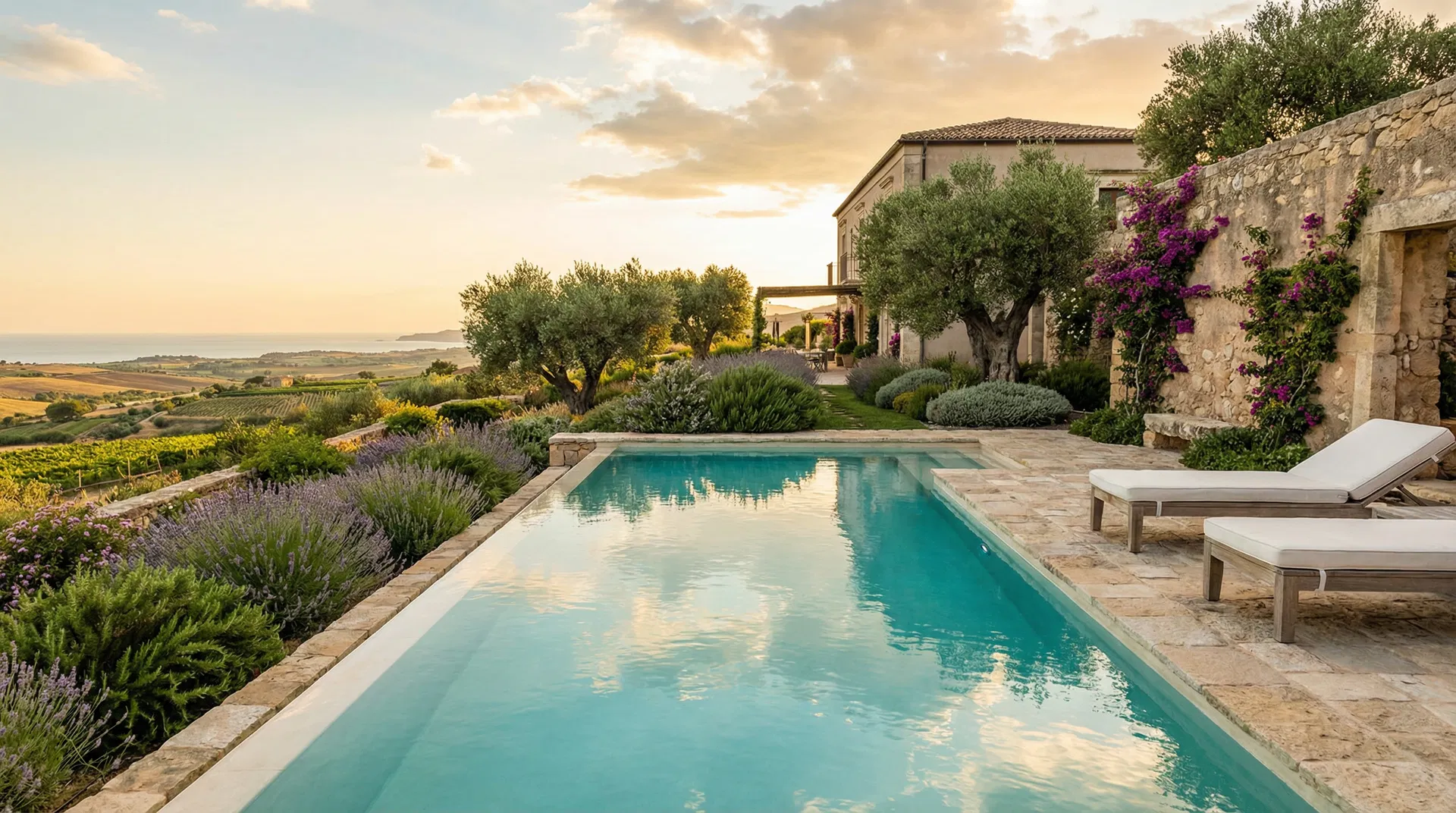
- Swimming Pools: A pool is a desirable feature, but it requires a specific permit and must adhere to local regulations regarding placement and size.
- Outdoor Kitchens and Dining Areas: Create shaded pergolas for al fresco dining, complete with a barbecue and food preparation area.
- Landscaping: Use native, drought-resistant plants like olive trees, citrus groves, bougainvillea, and lavender to create a garden that is both beautiful and sustainable.
- Lighting: Thoughtful outdoor lighting can transform the property at night, highlighting architectural features and creating a magical atmosphere.
Frequently Asked Questions (FAQ)
### How long does a farmhouse renovation in Sicily take?
A complete renovation of a medium-sized casale typically takes 12 to 24 months. This includes the design and permitting phase (4-6 months) and the construction phase (8-18 months). Larger projects like a masseria can take several years.
### Can I manage the renovation from abroad?
While possible, it is extremely challenging. Language barriers, time differences, and the inability to be on-site regularly can lead to costly mistakes. Hiring a local, bilingual project manager or a turnkey renovation company like Terra Nostra Costruzioni is highly recommended for foreign buyers.
### Are there any government grants or tax deductions available?
Yes, Italy frequently offers a range of "bonus" schemes for renovations, such as the Bonus Ristrutturazione for general renovation work and the Ecobonus for energy efficiency upgrades. These schemes change regularly, so it's crucial to get up-to-date advice from your accountant (commercialista).
### What is the biggest challenge when renovating a rustico?
The biggest challenge is often the unexpected. Old buildings always have secrets. You might discover a structural issue that wasn't visible in the initial survey or find an ancient feature you want to preserve, requiring a change of plans. A flexible budget with a contingency fund of 15-20% is essential to manage these surprises without stress.
Your Sicilian Farmhouse Awaits
Renovating a farmhouse in Sicily is more than a construction project; it's an act of cultural preservation and the creation of a unique, personal sanctuary. It requires passion, patience, and the right team of experts who understand the nuances of Sicilian architecture and bureaucracy. With careful planning and professional guidance, you can turn the dream of a rustic Sicilian retreat into a stunning reality.
If you are ready to begin your renovation journey, contact Terra Nostra Costruzioni today. Our team of experienced architects, engineers, and builders specializes in transforming historic Sicilian properties into beautiful, functional homes.
Ready to Start Your Project?
Contact Terra Nostra Costruzioni for a free consultation. We provide bilingual project management for renovation projects across Sicily.
Ask AI About This Topic
Get instant AI-powered answers about Services
These links open external AI platforms with a pre-filled question about this topic.