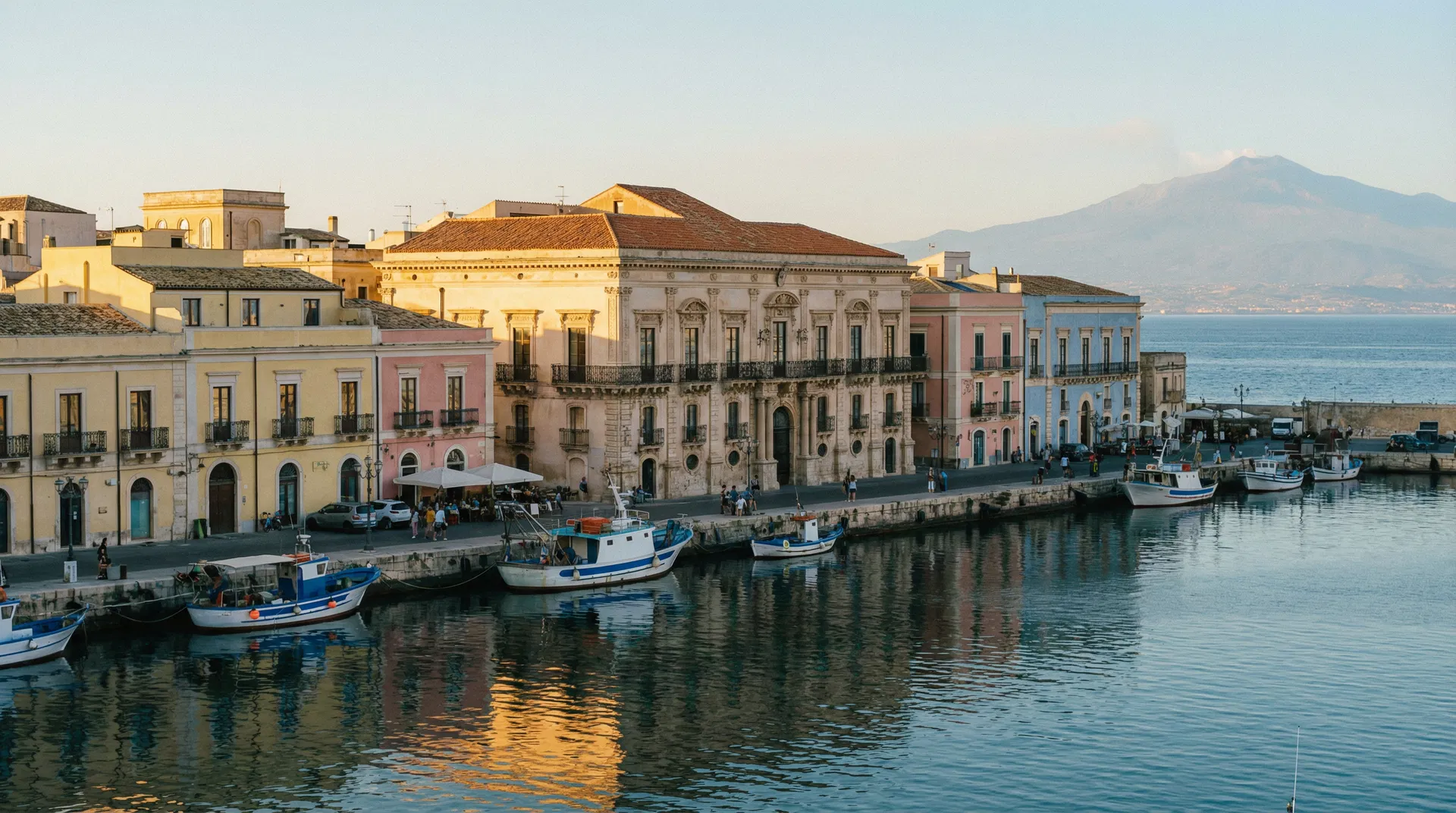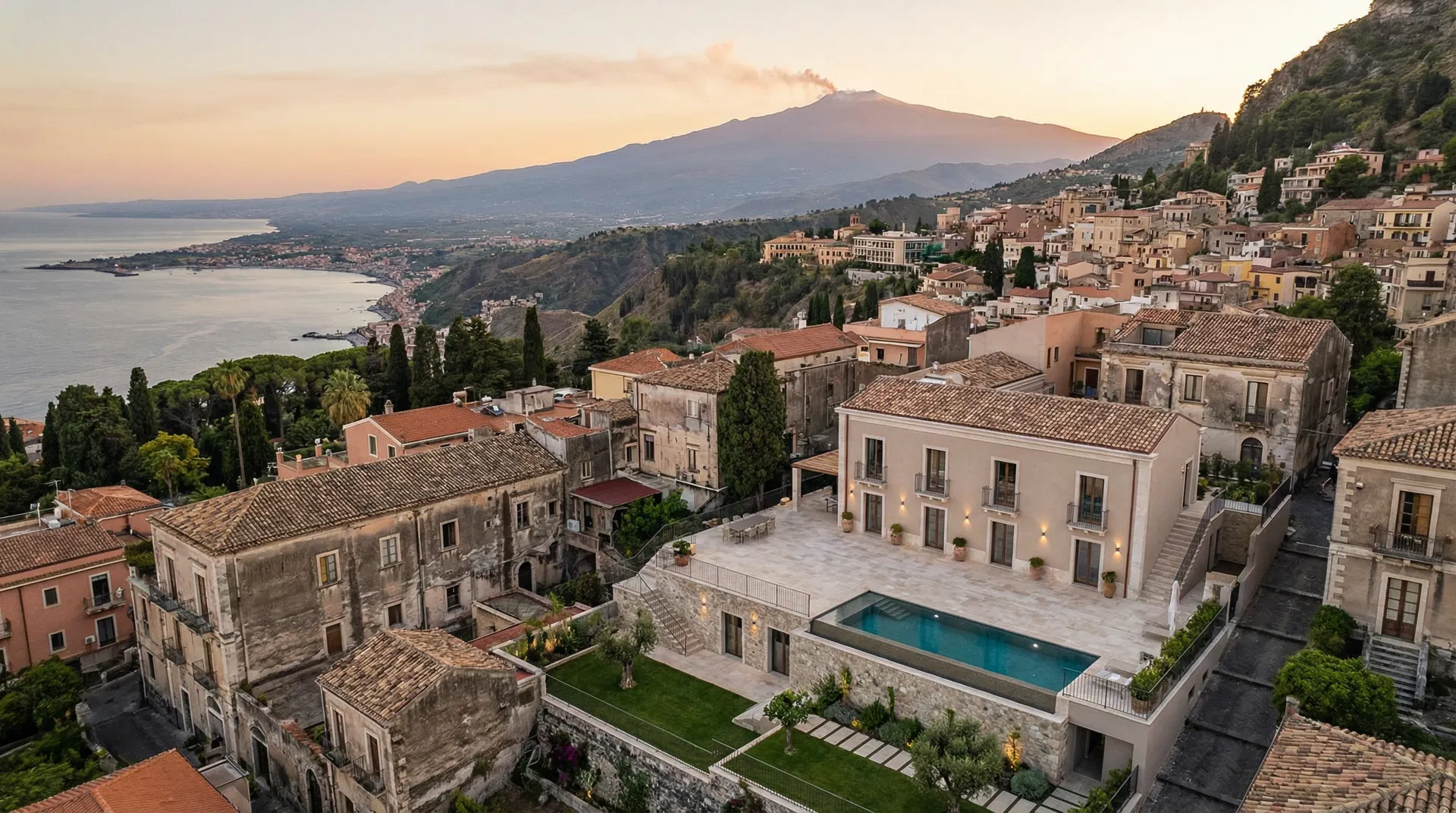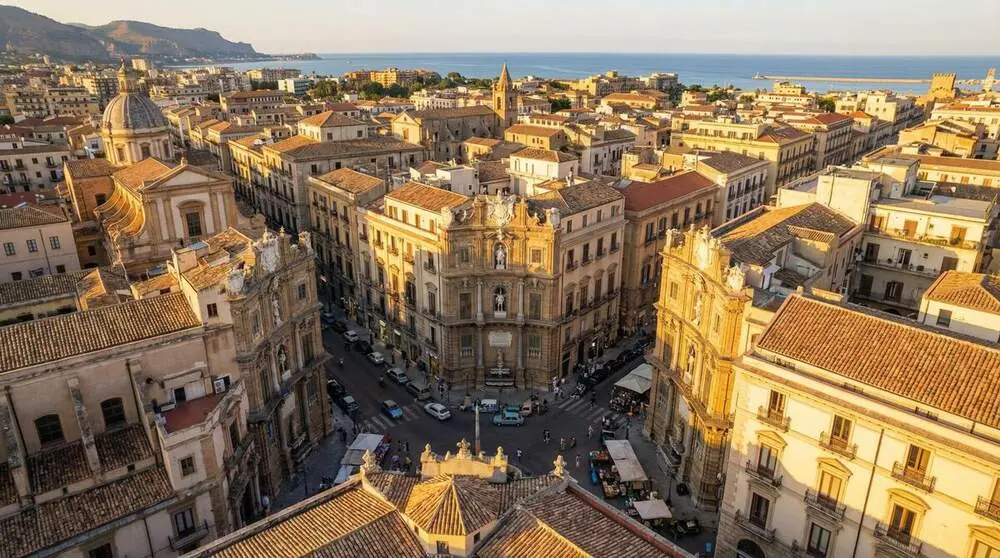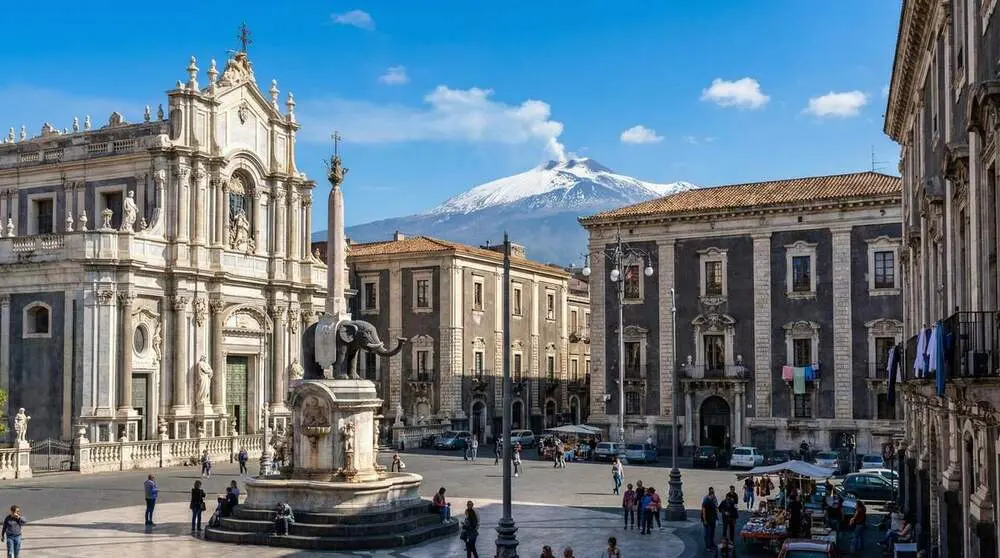
Renovating a property in Catania offers a unique opportunity to engage with a building material forged from the very essence of Sicily: volcanic stone. The city, rebuilt from the ashes of the 1693 earthquake, stands as a testament to the resilience and beauty of pietra lavica. This comprehensive guide is for homeowners and investors looking to undertake a renovation in Catania, providing expert insights into sourcing, costing, and working with this iconic material. From understanding its structural implications to integrating it into modern designs, we will explore how to honour Catania’s architectural soul while creating a timeless and durable home. A successful renovation in Catania is not just a construction project; it is a dialogue with history.
The Enduring Allure of Catanian Volcanic Stone
The story of Catania is inextricably linked to Mount Etna. The city’s distinctive dark grey and black architecture is a direct result of using basaltic lava stone from the volcano’s historic eruptions. This material, known locally as pietra lavica, is more than just a building block; it is the city’s identity. Its use in the grand Baroque palazzi and churches of Via Etnea, designed by architects like Giovanni Battista Vaccarini, showcases its dramatic potential. The stone’s inherent strength and resistance to the elements have allowed these historic structures to endure for centuries, a powerful symbol of Catanian resilience.
Beyond its historical significance, volcanic stone possesses a unique aesthetic quality. Its colour palette ranges from deep charcoal to lighter greys, often with subtle crystalline flecks that catch the light. The texture can be rough and porous or honed to a smooth, elegant finish. This versatility makes it suitable for a wide range of applications, from imposing exterior facades that command respect to refined interior details that exude understated luxury. For anyone considering a renovation of a historic property in Sicily, understanding the legacy of this material is the first step toward a sensitive and successful project.
Sourcing and Selecting Authentic Pietra Lavica
Authenticity is paramount when working with volcanic stone in a historic context. True Catanian pietra lavica comes from the quarries on the slopes of Mount Etna. When sourcing materials, it is crucial to work with reputable suppliers who can verify the stone's origin. Cheaper, imported basalt may look similar, but it will lack the specific mineral composition and texture that defines Etna’s stone. A knowledgeable local architect or builder can be an invaluable asset in this process, helping you navigate the network of quarries and stonecutters to find the perfect material for your project.
When selecting stone, consider its intended application. For exterior cladding or structural work, a dense, less porous stone is ideal for its durability. For decorative interior elements, you might choose a stone with more interesting veining or colour variations. It is also important to see physical samples and, if possible, visit the quarry. This allows you to appreciate the stone's natural variations and select slabs that align with your design vision. Remember that this is a natural material; no two pieces will be identical, and this inherent uniqueness is a significant part of its charm.
Structural and Technical Considerations
Volcanic stone is an incredibly dense and heavy material, a factor that must be central to your renovation plans. Before incorporating lava stone, especially for elements like flooring, staircases, or extensive wall cladding, a structural engineer must assess the building's load-bearing capacity. Older properties, in particular, may require reinforcement to support the additional weight. This could involve strengthening foundations, reinforcing floor joists, or introducing steel supports, all of which must be factored into your budget and timeline.
Working with volcanic stone requires specialised skills and equipment. Cutting, shaping, and finishing the stone is a craft that has been honed over generations. It is not a job for a general builder. You will need to find reliable builders in Sicily who have demonstrable experience with pietra lavica. They will understand the correct mortars, fixing techniques, and sealing methods to ensure a lasting and professional finish. Proper installation is just as important as the quality of the stone itself.
| Cost Component | Average Cost per Square Metre (EUR) | Notes |
|---|---|---|
| Raw Volcanic Stone Slabs (3cm) | €80 - €150 | Varies by quality and quarry. |
| Custom Cutting and Finishing | €40 - €70 | Includes honing, polishing, or texturing. |
| Professional Installation Labour | €60 - €100 | Requires specialised stonemasons. |
| Structural Reinforcement | €150 - €300+ | Highly variable; requires engineer assessment. |
| Waterproofing and Sealing | €20 - €30 | Essential for wet areas and exteriors. |
| Total Estimated Cost | €350 - €650+ | Excludes VAT (IVA) and design fees. |
Integrating Volcanic Stone in Modern and Traditional Interiors
The timeless appeal of volcanic stone allows it to bridge the gap between historic architecture and contemporary design. In a traditional Catanian home, restoring original lava stone features is a priority. This could involve carefully cleaning an exposed accent wall, repairing a grand staircase, or polishing original floor tiles. The goal is to celebrate the material's inherent character, allowing its texture and history to shine through.
In a more modern context, volcanic stone can be used to create powerful design statements. A minimalist kitchen with sleek, honed lava stone countertops offers a sophisticated contrast to white cabinetry. A bathroom clad in dark, textured volcanic stone can feel like a private, spa-like retreat. It can be used for fireplace surrounds, custom-built shelving, or even as a dramatic backdrop for a contemporary art collection. The key is to balance its strong presence with other materials like wood, glass, and metal to create a harmonious and inviting space. For more ideas on modern interiors, consider exploring our guide to interior design in Sicily.
Navigating Permits for Renovations in Catania
Any significant renovation project in Italy requires navigating a complex system of building permits. For projects involving volcanic stone, especially in Catania's historic centre (centro storico), the process can be even more stringent. Most renovations will fall under the SCIA (Segnalazione Certificata di Inizio Attività) or CILA (Comunicazione di Inizio Lavori Asseverata). Your architect or geometra will prepare and submit these documents on your behalf.
However, if your property is a listed building or located in an area of protected heritage, you will also need approval from the Soprintendenza per i Beni Culturali e Ambientali. This body is responsible for preserving Sicily's architectural heritage and will scrutinise any plans that affect the building's historic character. Using authentic pietra lavica and traditional construction techniques will be a critical factor in gaining their approval. This process adds time and complexity, so it is essential to start the conversation with the authorities early. A comprehensive understanding of Italian building permits is crucial for a smooth project.
| Phase | Estimated Duration | Key Activities |
|---|---|---|
| Phase 1: Design & Permitting | 2 - 4 Months | Architectural plans, engineering reports, Soprintendenza approval. |
| Phase 2: Demolition & Prep | 2 - 3 Weeks | Site clearing, removal of old finishes, structural prep. |
| Phase 3: Structural Works | 4 - 8 Weeks | Foundation reinforcement, installation of supports. |
| Phase 4: Stone Installation | 4 - 6 Weeks | Cladding, flooring, countertop installation by specialists. |
| Phase 5: Finishes & Fit-Out | 6 - 10 Weeks | Plumbing, electrical, plastering, painting, final fixtures. |
| Total Estimated Timeline | 6 - 9 Months | For a full 100sqm apartment renovation. |
Long-Term Care and Maintenance
One of the greatest advantages of volcanic stone is its durability. It is naturally resistant to wear, weathering, and fire. However, like all natural stone, it requires some maintenance to keep it looking its best. The key is proper sealing. Upon installation, the stone should be treated with a high-quality impregnating sealer. This will protect it from staining and moisture absorption without altering its natural appearance. The type of sealer will depend on the stone's finish and location (e.g., a kitchen countertop requires a food-safe sealer).
For routine cleaning, avoid harsh, acidic chemicals. A pH-neutral stone cleaner and water are all that is needed for daily care. For exterior facades, periodic gentle pressure washing can remove accumulated dust and grime. It is also wise to inspect the pointing or grout between stones every few years and have any cracks repaired promptly to prevent water ingress. With this minimal but consistent care, your volcanic stone features will retain their beauty and integrity for decades, if not centuries, to come.
Frequently Asked Questions
Is volcanic stone a sustainable building material?
Yes, it is an excellent choice for sustainability. It is a natural, locally sourced material, which significantly reduces transportation emissions. Its durability means it has an incredibly long lifespan, minimising the need for replacement. Furthermore, it is fully recyclable and has excellent thermal mass properties, which can help regulate indoor temperatures and reduce energy consumption.
How does the cost of volcanic stone compare to other materials like marble?
Generally, high-quality volcanic stone is comparable in price to mid-range marble. While the raw material cost can vary, the main expense often lies in the specialised labour required for cutting and installation. However, its superior durability can make it a more cost-effective choice over the long term compared to softer stones that may require more maintenance or repair.
Can volcanic stone be used for outdoor paving and pools?
Absolutely. Its natural slip resistance and high density make it an ideal material for outdoor applications. It is commonly used for paving patios, walkways, and pool surrounds in Sicily. Its dark colour absorbs heat, which can be pleasant underfoot in cooler months, but it can get quite hot in direct summer sun, a factor to consider in placement.
What is the difference between basalt and pietra lavica?
Geologically, pietra lavica is a type of basalt. However, in the context of Sicilian architecture, the term pietra lavica specifically refers to the volcanic stone quarried from Mount Etna. This stone has a unique mineralogical composition and aesthetic that distinguishes it from basalts found elsewhere in the world.
Are there any specific building regulations for using volcanic stone in Catania?
Yes, particularly within the UNESCO-protected historic centre. Regulations governed by the Soprintendenza often mandate the use of traditional materials like pietra lavica for exterior restorations to maintain the area's architectural harmony. Any renovation plans must be approved to ensure they respect these historical constraints.
How do I find qualified professionals to work with volcanic stone?
Word-of-mouth referrals from trusted local sources are often the best method. Ask local architects, visit recently completed renovation projects, and consult with reputable stone suppliers. Look for craftsmen with a portfolio of completed lava stone projects and a deep understanding of traditional techniques. A good starting point is our guide to finding reliable builders in Sicily.
Can I get a building bonus (bonus edilizia) for a volcanic stone renovation?
It is possible. Certain government incentives, like the 'Bonus Ristrutturazione', may apply if the work is part of a larger qualifying renovation project that improves the building's energy efficiency or structural integrity. The criteria change frequently, so it is essential to consult with a qualified Italian accountant (commercialista) or your project architect to verify eligibility for any current schemes.
Embarking on a renovation with volcanic stone in Catania is a commitment to quality, durability, and history. It is a chance to own a piece of Etna's legacy and contribute to the city's unique architectural narrative. While the process requires careful planning, expert craftsmanship, and a deep respect for the material, the result is a home of unparalleled character and timeless beauty. If you are ready to begin this rewarding journey, our team of experts is here to guide you through every step, from initial design to final execution.
Ready to Start Your Project?
Contact Terra Nostra Costruzioni for a free consultation. We provide bilingual project management for renovation projects across Sicily.
Ask AI About This Topic
Get instant AI-powered answers about Location Guides
These links open external AI platforms with a pre-filled question about this topic.