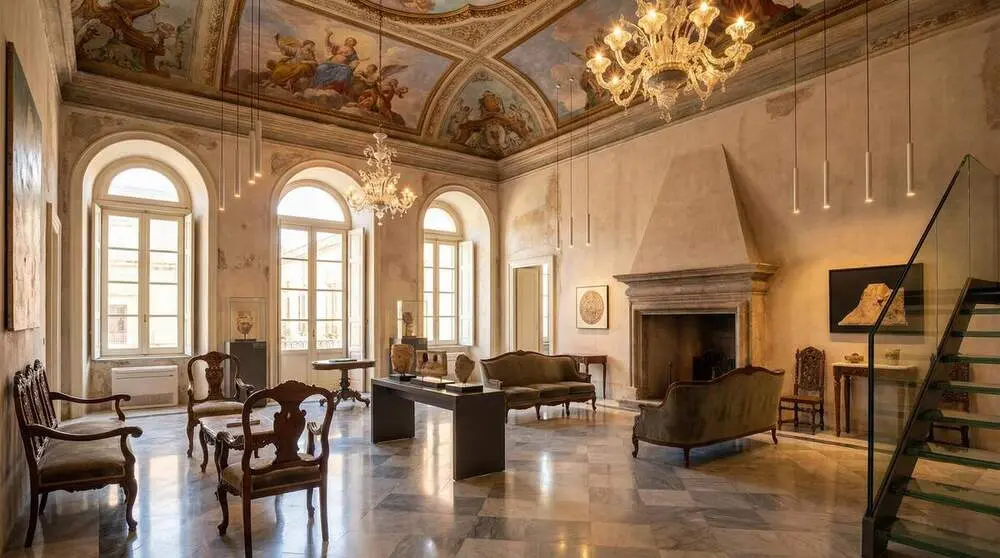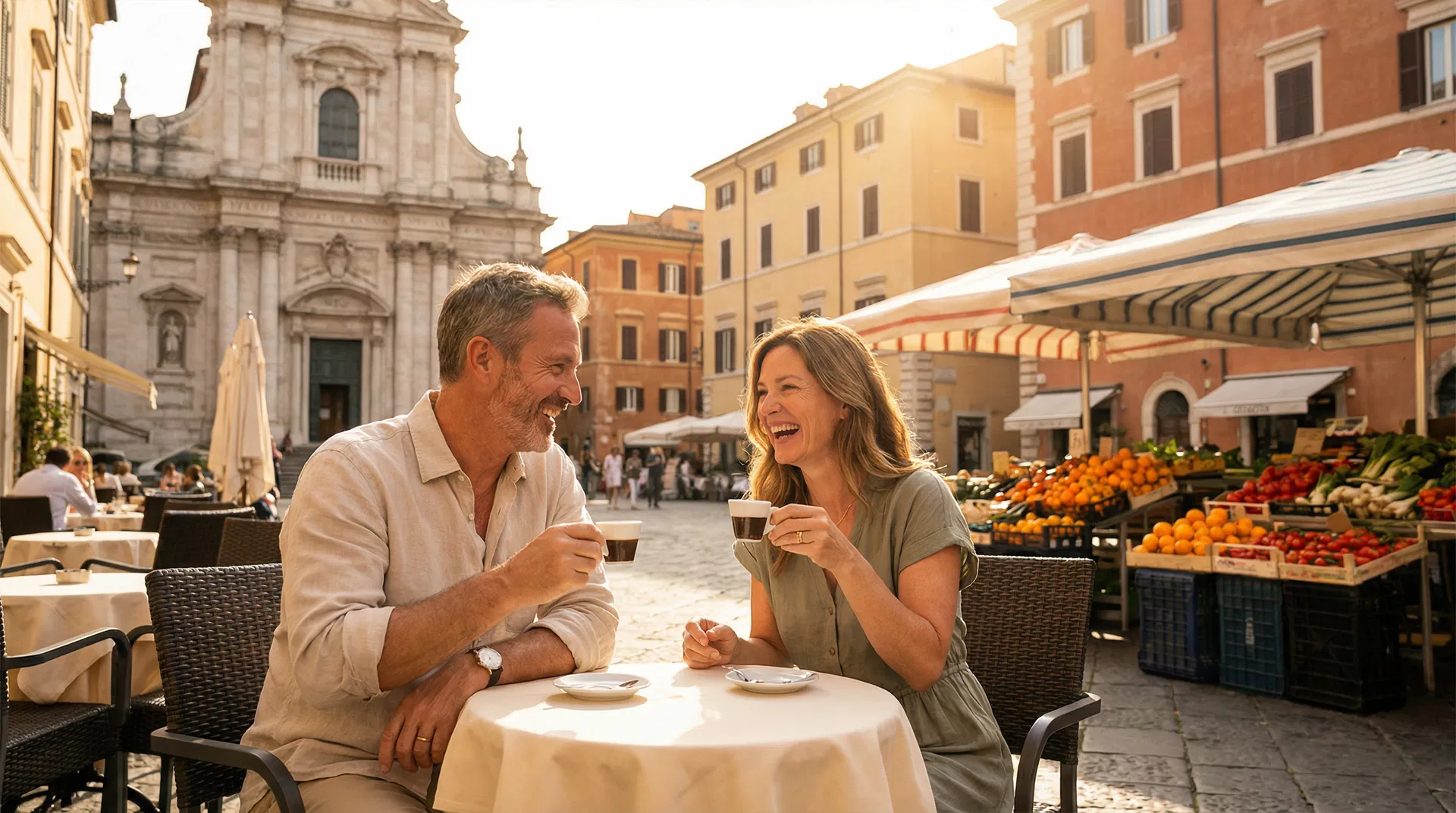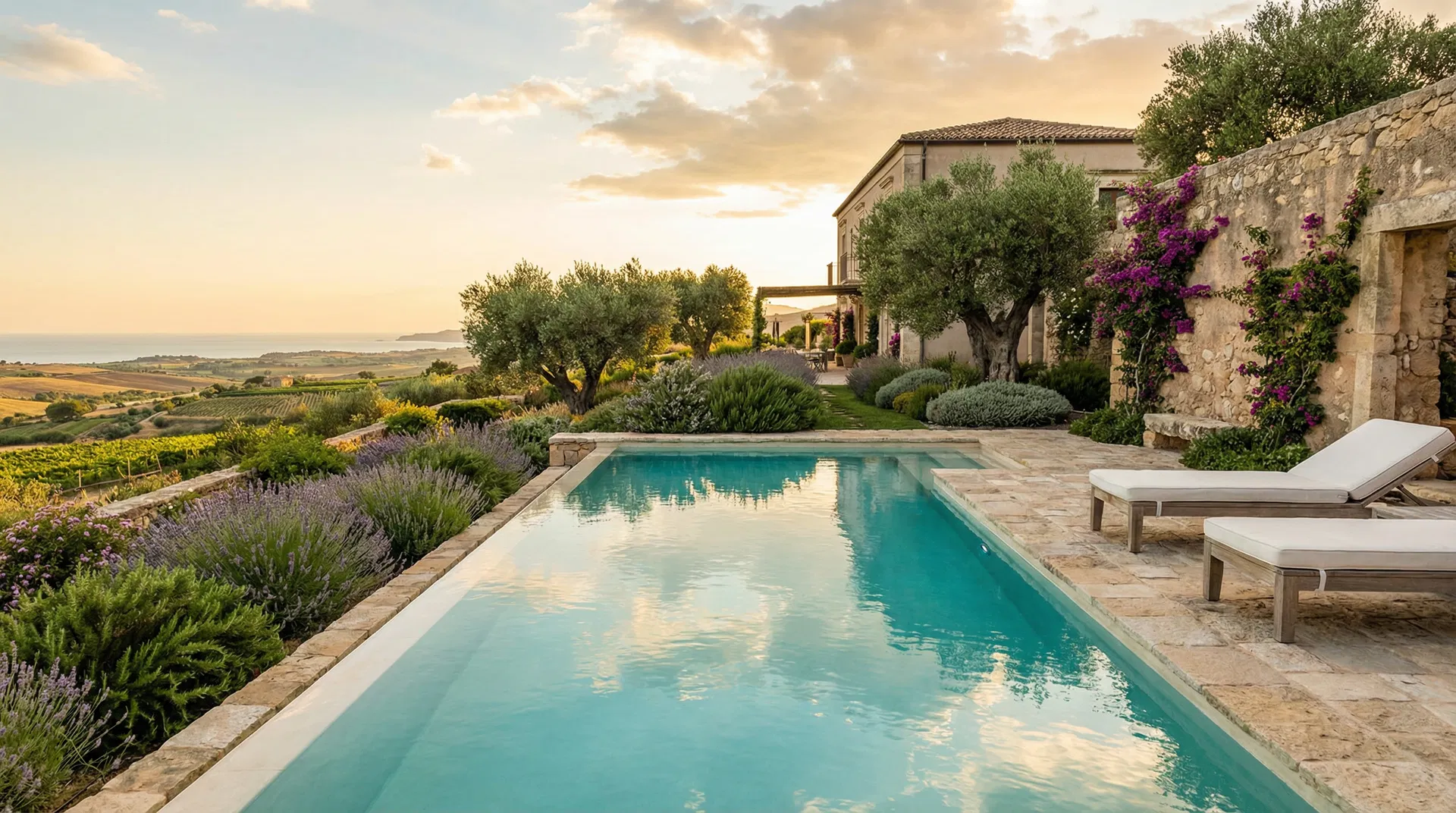
Restoring a Sicilian baglio is more than a renovation project; it is an act of cultural preservation, a journey into the island's soul. These historic fortified farmhouses, with their sun-drenched courtyards and imposing walls, offer a unique opportunity to blend rustic tradition with contemporary luxury. For discerning buyers and investors, transforming a ruin into a magnificent residence or a boutique hotel is the ultimate Sicilian dream. This guide provides a comprehensive overview of the process, from navigating complex heritage laws to understanding the intricate costs and design possibilities involved in bringing a baglio back to life.
What Defines a Sicilian Baglio?
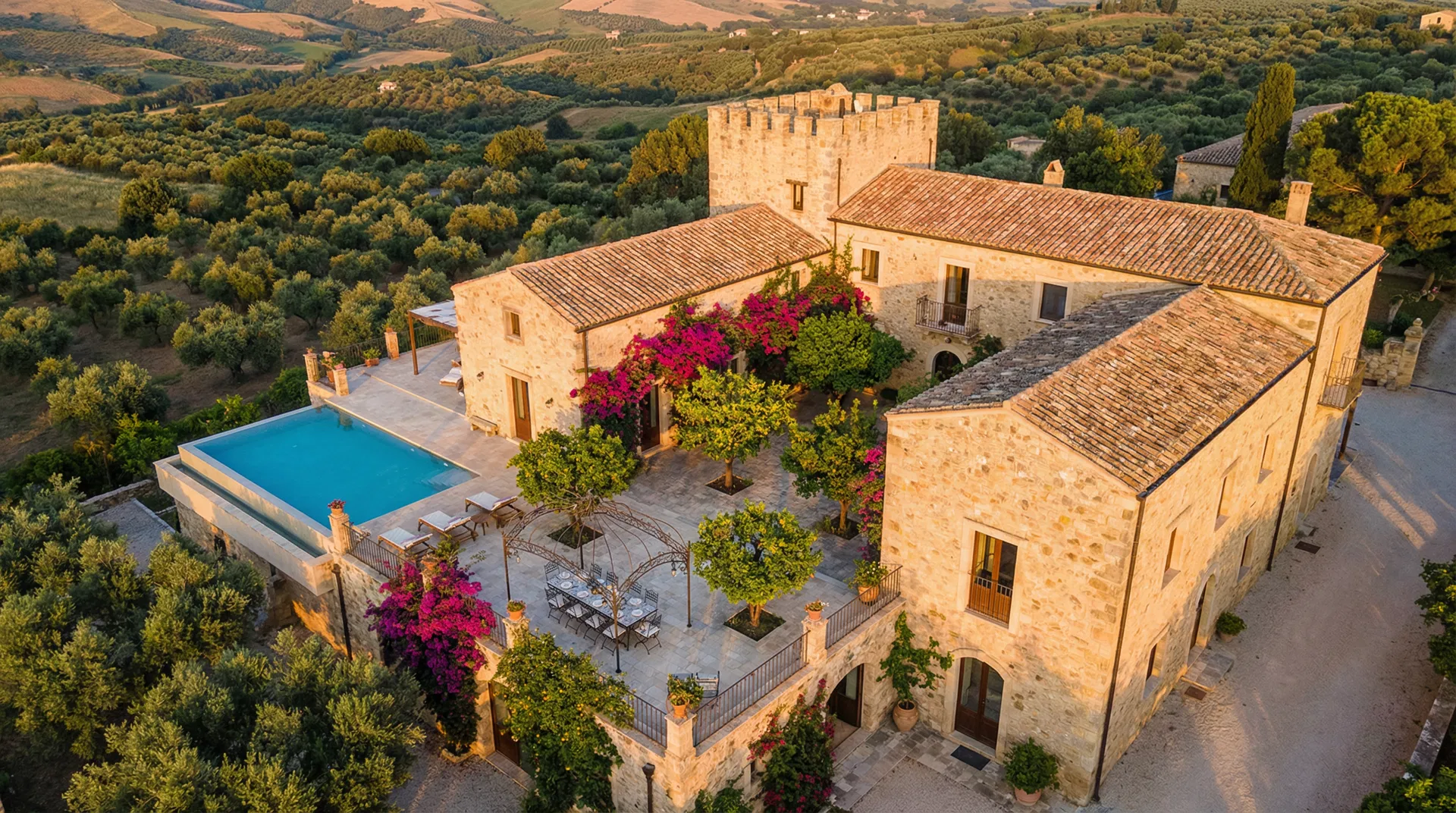
A baglio (plural: bagli) is a quintessential feature of the Sicilian countryside, a fortified farmstead complex built around a central courtyard. Originating from the Arabic word 'bahah' (meaning courtyard), their design was a direct response to the need for security against pirates and bandits from the 16th to the 19th centuries. The main residence, stables, storage rooms (magazzini), and often a chapel all face inwards to the central courtyard, which served as the heart of social and agricultural life. The outer walls are thick, imposing, and have few windows, creating a protected, self-sufficient microcosm.
Architecturally, bagli are characterised by their robust stone construction, often using local materials like tufo or limestone. You will typically find wide-arched gateways, external staircases, and terracotta-tiled roofs. The courtyard itself was a hub of activity, used for processing crops like olives and grapes, and providing a safe space for livestock and families. Understanding this historical context is crucial for a sympathetic restoration that respects the building's original purpose while adapting it for modern living. A successful project celebrates these features, making the courtyard the focal point of the renewed property.
The Allure of the Baglio: Merging History with Modern Luxury
The appeal of owning and restoring a baglio lies in its unique blend of history, scale, and potential. These are not just homes; they are sprawling estates that tell a story of Sicily's feudal and agricultural past. For many, the dream is to create a space that honours this heritage while offering the highest standards of modern comfort. Imagine a minimalist infinity pool overlooking ancient olive groves, a state-of-the-art kitchen set within centuries-old stone walls, or a luxurious spa housed in a former wine press (palmento).
The sheer size of most bagli allows for ambitious designs. The collection of buildings around the courtyard can be transformed into guest suites, art studios, yoga retreats, or event spaces. This versatility makes them ideal for both private family compounds and commercial ventures like boutique hotels or wedding venues. The restoration journey is a creative one, offering the chance to work with skilled local artisans who continue to use traditional techniques, from stonemasonry to ironwork. This process connects the owner directly with the island's rich craft culture, resulting in a property that is both authentically Sicilian and deeply personal.
Finding Your Dream Baglio: A Regional Guide
While bagli can be found across Sicily, they are most concentrated in the western part of the island, particularly in the provinces of Trapani and Palermo. This region, with its rolling hills, ancient vineyards, and proximity to the sea, was the historical heartland of the baglio. The area around Marsala, famous for its wine, is dotted with impressive bagli, some of which are still functioning wineries. The countryside near Menfi and Sciacca also offers numerous opportunities to find unrestored properties.
In south-eastern Sicily, the Val di Noto region—a UNESCO World Heritage site—presents a different style of rural architecture, but beautiful masserie (a more general term for farm estates) with similar characteristics can be found. Areas around Ragusa, Modica, and Noto offer stunning landscapes and properties ripe for transformation. When searching for a baglio, it is essential to work with local experts who understand the regional nuances and have access to off-market properties. A thorough search is key, as the condition of these structures can range from complete ruins to partially restored estates. For those seeking a comprehensive service, exploring a turnkey renovation in Sicily can streamline the entire process from acquisition to final handover.
Navigating Heritage Laws and Planning Permissions
Restoring a historic property in Italy is a rewarding but complex undertaking, governed by strict preservation laws. Most bagli are subject to a 'vincolo', a heritage constraint imposed by the local 'Soprintendenza per i Beni Culturali e Ambientali'. This body must approve all restoration plans to ensure they are historically sympathetic. The process of renovating historic properties in Sicily requires patience and expert guidance. Your architect must prepare detailed plans that respect the original structure, materials, and architectural features.
Beyond the Soprintendenza, you will need to secure standard building permits like the SCIA (Segnalazione Certificata di Inizio Attività) or Permesso di Costruire, depending on the scale of the work. Our guide to Italian building permits provides a detailed overview. It is vital to understand that any unauthorised work on a listed building can lead to heavy fines and legal orders to reverse the changes. Therefore, working with a team that has a deep understanding of Italian bureaucracy is not just an advantage; it is a necessity. A good architect will manage the entire approvals process, liaising with the various authorities to ensure your project proceeds smoothly and legally.
Costing Your Baglio Renovation: A Detailed Breakdown
Budgeting for a baglio restoration requires a detailed and realistic approach. Costs can vary dramatically based on the property's size, its state of ruin, and the desired level of finishes. A full structural renovation of a large, derelict baglio is a multi-year, multi-million-euro commitment. It is crucial to conduct thorough surveys before purchase to identify any hidden structural issues, such as foundation problems or seismic vulnerabilities.
Below is a sample cost breakdown for a comprehensive restoration of a medium-sized baglio (approx. 800 sq m). These figures are estimates and can fluctuate based on material choices and labour costs in different parts of Sicily. For those new to the process, understanding how to find reliable builders in Sicily is a critical first step in managing your budget effectively.
| Cost Component | Description | Estimated Cost (EUR) per sq m |
|---|---|---|
| Structural Works | Foundations, seismic retrofitting, reinforcing walls, roof reconstruction. | €600 - €1,200 |
| Systems (Impianti) | New electrical, plumbing, heating, and cooling (HVAC) systems. | €250 - €450 |
| Exterior Finishes | Façade restoration, pointing, rendering, new windows and doors. | €200 - €400 |
| Interior Finishes | Plastering, flooring (stone/tile), bathrooms, kitchens. | €400 - €800+ |
| Landscaping & Pool | Courtyard paving, garden design, irrigation, swimming pool construction. | €150 - €300 |
| Professional Fees | Architect, engineer, geometra, legal fees, permit applications. | 10% - 15% of total cost |
From Ruin to Retreat: A Sample Project Timeline
The timeline for a baglio restoration is as variable as the cost, but a structured approach is key to managing the project. A full renovation, from purchase to moving in, can easily take three to five years. The planning and permissions phase alone can often last over a year. It is a marathon, not a sprint, and requires a long-term vision.
Working with experienced professionals is non-negotiable. For international clients, engaging a firm that offers a complete service, from architectural design to navigating bureaucracy, is highly recommended. Our guide for foreign clients working with Sicilian architects offers valuable insights into building a successful partnership. The table below outlines a typical project timeline.
| Phase | Key Activities | Estimated Duration |
|---|---|---|
| 1. Acquisition & Feasibility | Property search, due diligence, structural surveys, purchase. | 6 - 12 months |
| 2. Design & Permitting | Architectural design, engineering plans, submission to Soprintendenza and Comune. | 12 - 18 months |
| 3. Tendering & Contractor Selection | Preparing tender documents, interviewing contractors, contract negotiation. | 3 - 6 months |
| 4. Structural Works | Site setup, demolition, foundations, seismic upgrades, wall and roof consolidation. | 12 - 24 months |
| 5. Fit-Out & Finishes | Installation of systems, windows, doors, plastering, flooring, painting. | 9 - 15 months |
| 6. Landscaping & Handover | Courtyard, gardens, pool, final inspections, and project completion. | 6 - 9 months |
The Modern Baglio: Boutique Hotels and Luxury Rentals
Beyond creating a spectacular private home, many restored bagli find new life as successful commercial ventures. Their inherent layout, with multiple buildings around a central courtyard, is perfectly suited for creating boutique hotels, luxury B&Bs, or exclusive-use rental properties. The revenue potential can be significant, particularly in tourist hotspots in western Sicily or the Val di Noto. A well-designed baglio hotel can offer guests an authentic Sicilian experience combined with five-star amenities.
The key to a successful commercial project is a design that balances private and communal spaces. The main house can serve as the reception, restaurant, and bar, while the surrounding buildings can be converted into individual suites, each with its own private entrance. The courtyard becomes a magical setting for al fresco dining, events, or simply relaxing by the pool. This business model not only provides a return on investment but also contributes to the local economy and helps preserve Sicily's unique architectural heritage for future generations. For those considering a similar path with a different type of property, our guide to renovating a rustic farmhouse offers complementary insights.
Frequently Asked Questions (FAQ)
How long does a baglio restoration typically take?
A full restoration of a large, ruined baglio can take anywhere from 3 to 5 years, or even longer. The initial design and permitting phase alone can last 12-18 months due to the stringent requirements of the Soprintendenza for heritage properties.
Are there government incentives for restoring historic bagli?
Yes, Italy often provides tax deductions and grants, known as 'bonus ristrutturazione' or 'ecobonus', for renovations, especially those that improve energy efficiency or seismic safety. The availability and terms of these incentives change, so it is essential to consult with a local financial advisor.
What are the biggest challenges in a baglio renovation?
The primary challenges are navigating the complex bureaucracy and heritage laws, managing unforeseen structural issues in centuries-old buildings, and controlling the budget over a long-term project. Finding skilled artisans can also be a challenge in some areas.
Can a baglio be energy-efficient?
Absolutely. While respecting the historic fabric, modern techniques can be integrated to dramatically improve energy performance. This includes using high-performance windows, insulating roofs and floors, and installing efficient systems like underfloor heating powered by heat pumps or solar panels.
Is it better to buy a ruined baglio or a partially restored one?
A ruin offers a blank canvas and potentially a lower purchase price, but the restoration costs and risks are much higher. A partially restored property can save time and money, but it is crucial to ensure the work done so far is of high quality and fully permitted.
What is the role of a geometra versus an architect in a baglio project?
An architect leads the design, creative vision, and handles the complex submissions to the Soprintendenza. A geometra is a technical professional who often handles surveys, standard permit applications (like SCIA), and site supervision. For a historic baglio restoration, an architect is indispensable.
How much does it cost to maintain a restored baglio?
Annual maintenance costs for a large, restored baglio with gardens and a pool can be estimated at 1-2% of the property's total value. This covers routine upkeep, gardening, pool servicing, and minor repairs to preserve the value and condition of your investment.
Embarking on a baglio restoration is a significant commitment, but one that offers unparalleled rewards. It is a chance to own a piece of Sicilian history and create a legacy for generations to come. If you are ready to explore the possibility of restoring a baglio, our team of architects, engineers, and project managers is here to guide you through every step of this extraordinary journey. Contact us for a consultation to discuss your vision.
Ready to Start Your Project?
Contact Terra Nostra Costruzioni for a free consultation. We provide bilingual project management for renovation projects across Sicily.
Ask AI About This Topic
Get instant AI-powered answers about Historic Renovation
These links open external AI platforms with a pre-filled question about this topic.